Site Selection
Restaurant Site Finder Checklist: 15 Factors Every Restaurant Owner Should Analyze
Use this 15-factor Restaurant Site Finder checklist to evaluate demographics, foot traffic, competition, parking, lease terms, zoning, and growth potential before you sign a lease.
Key Takeaways
- Use all 15 factors—demographics through local trends—before signing a restaurant lease.
- Foot traffic, visibility, and competition gaps must match your concept; busy corners fail when the wrong diners walk by.
- Run a free scan at Restaurant Site Finder, then validate finalists with our detailed site selection checklist.
- Never skip zoning, lease NNN costs, or historical tenant performance—data beats gut instinct every time.
Choosing the right location is crucial for a restaurant's success. It can make or break your business. A well-chosen site attracts customers and boosts visibility. It also enhances your brand image.
But how do you find the perfect spot? The process can be daunting. That's where a comprehensive checklist comes in handy. It guides you through the site selection process.
This article provides a detailed checklist for restaurant owners. It covers 15 essential factors to consider. From understanding your target market to evaluating competition, each factor is crucial. You'll also learn about zoning laws, lease terms, and more. These insights help you make informed decisions.
With this guide, you'll be equipped to choose a location that supports your restaurant's growth and success.
Why Restaurant Site Selection Matters
The location of your restaurant significantly impacts its success. A strategic location draws more customers and increases profits. A poor choice can lead to missed opportunities and financial struggles.
Several factors make site selection crucial for restaurant owners. First, it influences foot traffic and visibility. A visible location leads to higher walk-ins and spontaneous visits. Second, it affects brand perception. A well-placed restaurant enhances the brand's image and reputation.
Consider these key reasons why location matters:
- Enhances customer experience by offering convenience.
- Impacts operational costs such as rent and utilities.
- Affects long-term viability through potential for growth.
Choosing the right site ensures you cater to the right audience while keeping operational costs in check. The location's dynamics, like local trends and competition, also play a key role in sustainability. Understanding these factors helps secure a flourishing restaurant venture.
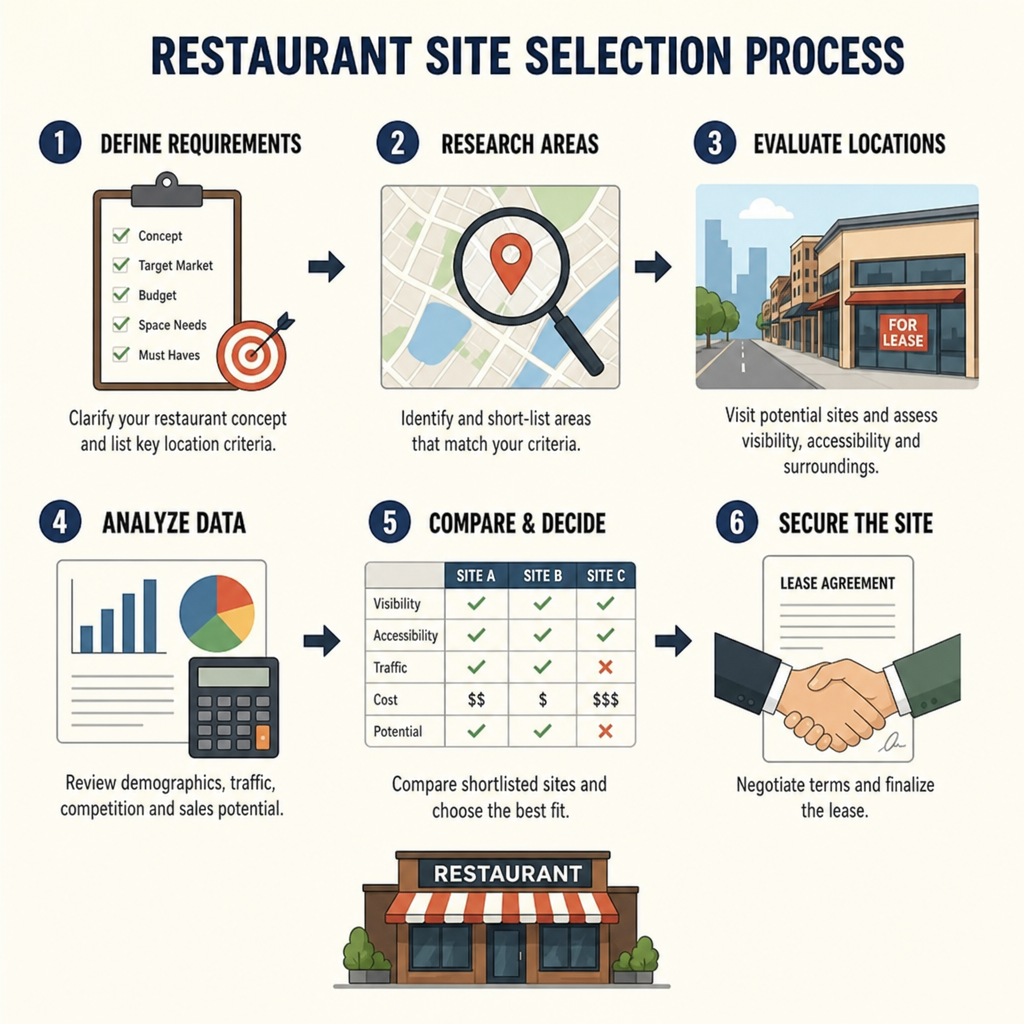
The Restaurant Site Selection Process: Step-by-Step Overview
Selecting the best site for your restaurant begins with a thorough analysis. This involves understanding your target market and the location dynamics. The process often starts with comprehensive research on the demographics of potential areas.
Next, a location analysis helps assess the viability of each area. This includes evaluating foot traffic, accessibility, and local competition. You then consider operational factors such as infrastructure and lease terms.
Here's a step-by-step guide to streamline the process:
- Conduct demographic research.
- Analyze foot traffic and visibility.
- Evaluate competition and market gaps.
- Assess lease terms and related costs.
- Review zoning laws and regulations.
Each step builds on the previous, offering a clearer picture of what each potential location offers. Weigh these elements against your restaurant's vision and goals to narrow down the best site options.
The selection process is an investment in your restaurant's future. It lays the foundation for sustainability and growth, ensuring your business thrives in its chosen community.
Restaurant Site Selection Criteria Checklist: 15 Essential Factors
Selecting the best site for your restaurant hinges on various critical elements. Each factor plays a unique role in shaping the location's overall suitability. By analyzing these factors, you align your choice with business objectives.
Here is a comprehensive checklist:
- Target market and demographics
- Foot traffic and visibility
- Competition and market gaps
- Accessibility and parking
- Lease terms and costs
- Zoning laws and regulations
- Size, layout, and infrastructure
- Safety and security
- Proximity to suppliers and delivery routes
- Community and neighborhood dynamics
- Historical performance of the location
- Technological infrastructure and connectivity
- Environmental and sustainability factors
- Potential for growth and expansion
- Local economic and social trends
Analyzing these elements can maximize the success and longevity of your business.
1. Target Market and Demographics
Understanding your target market is vital. Who are your ideal customers? Analyze the demographic profile, including age, income, and lifestyle preferences.
Consider how these elements match your restaurant's concept. Does the local population fit your customer profile? Assess potential demand for your type of cuisine.
Key demographic factors include:
- Age groups
- Income levels
- Cultural interests
A strong alignment ensures a steady customer flow and successful business operations. It helps tailor your marketing strategies effectively.
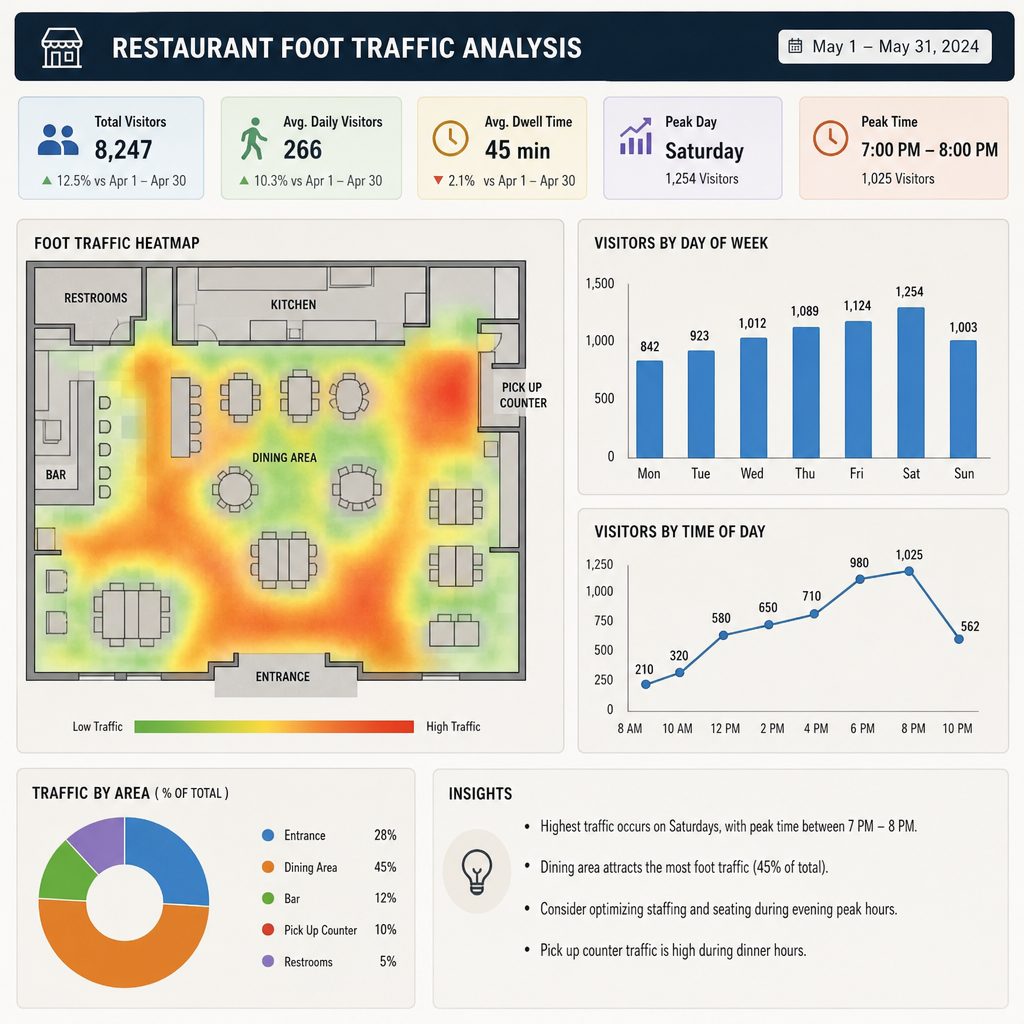
2. Foot Traffic and Visibility
High visibility can lead to increased patronage. Sites with significant foot traffic often translate into higher sales.
Examine the flow of people passing by your potential location. Are there nearby attractions or hubs that draw crowds?
Consider these aspects:
- Pedestrian count
- Vicinity to public transit
- Prominence of storefront
Evaluate how easy it is to spot your restaurant. Increased visibility can strengthen brand presence and draw spontaneous visitors.
3. Competition and Market Gaps
A thorough analysis of local competition is essential. Identify direct competitors and assess their strengths and weaknesses.
Examine if there's an untapped market segment you can target. Are there gaps in offerings that your restaurant can fill?
Consider these factors:
- Number of competitors
- Unique selling propositions
- Market saturation levels
This analysis aids in differentiating your business and pinpointing strategic opportunities.
4. Accessibility and Parking
Easy access is crucial for patron convenience. Ensure your location is accessible by various modes of transport.
Assess the availability of parking spaces. Is there ample parking for customers, especially during peak hours?
Key considerations include:
- Public transit proximity
- Availability of parking
- Accessibility for disabled patrons
Improved accessibility can enhance customer satisfaction and increase repeat visits.

5. Lease Terms and Costs
Understanding lease terms is crucial for financial planning. Analyze the costs carefully to ensure they are sustainable.
Look into the lease duration, renewal options, and any clauses impacting your operations. Are utilities and maintenance included?
Evaluate these elements:
- Monthly rent
- Lease duration and clauses
- Utility and maintenance costs
Choosing an economically viable lease safeguards your investment and profitability. Stress-test rent with our restaurant rent calculator.
6. Zoning Laws and Regulations
Compliance with zoning laws is a must. These regulations govern land use and can significantly impact restaurant operations.
Investigate whether your potential site is zoned for a restaurant. Verify any restrictions that may affect business activities.
Key zoning considerations:
- Permitted land use
- Operating hour restrictions
- Noise or waste regulations
Understanding zoning ensures legal compliance and smooth operations.
7. Size, Layout, and Infrastructure
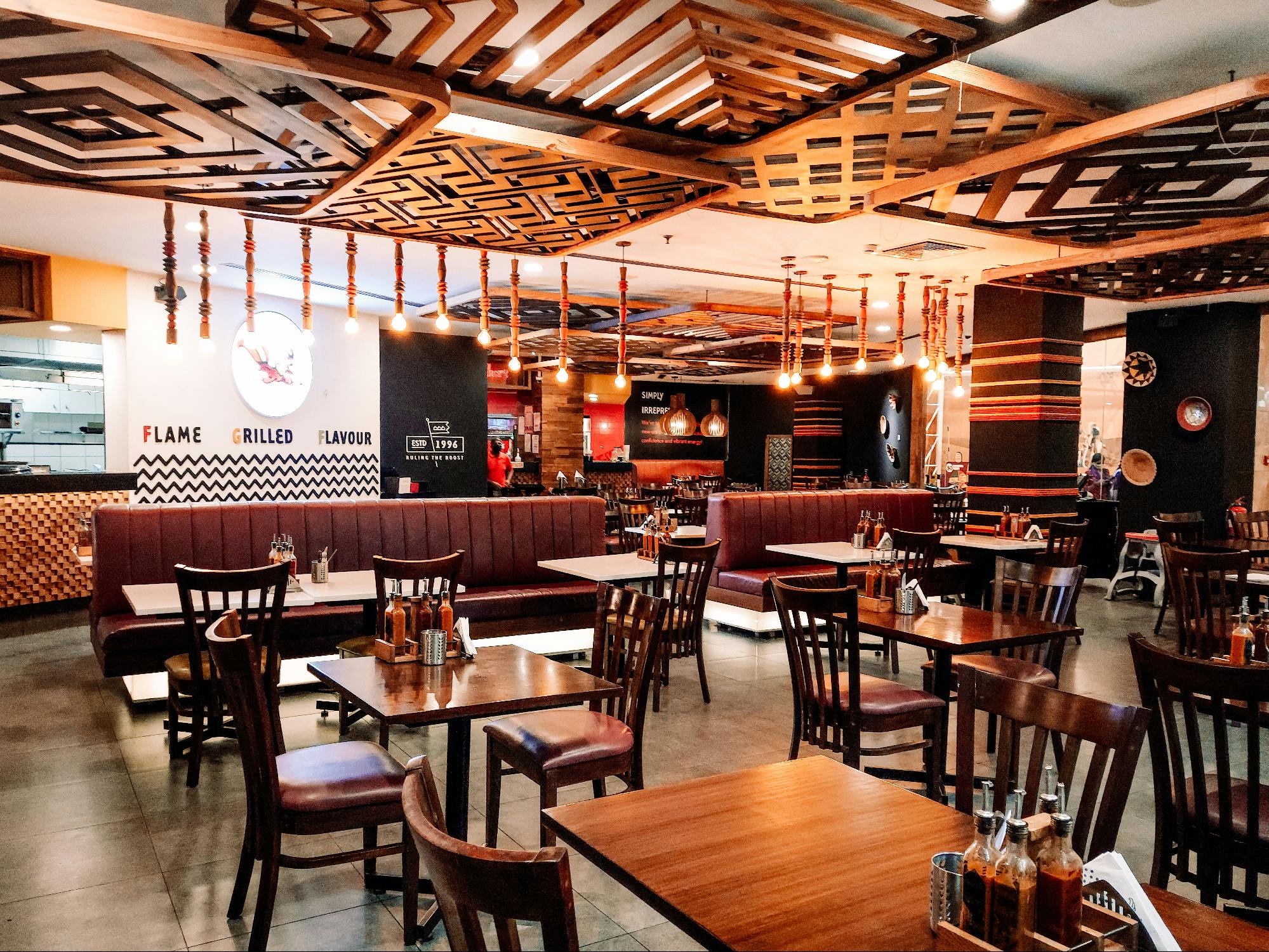
The physical space must support your business needs. Ensure the size and layout align with your operational plan.
Assess existing infrastructure for compatibility. Does it support necessary utilities and services?
Key points include:
- Adequate kitchen and seating space
- Electrical and plumbing standards
- Flexibility for renovations
A functional and adaptable space enhances workflow and customer experience.
8. Safety and Security
Safety is paramount for staff and customers. Evaluate the safety features of the potential site. Is the area secure?
Investigate the local crime rate and existing security measures. Is there adequate lighting?
Consider the following:
- Building security systems
- Local crime statistics
- Emergency exits and plans
Prioritizing safety builds trust and encourages business patronage.
9. Proximity to Suppliers and Delivery Routes
Proximity to suppliers can reduce costs and ensure fresh inventory. Analyze the ease of receiving deliveries.
Is your location convenient for supplier routes? Quick access can optimize operations and maintain quality.
Consider:
- Distance from suppliers
- Traffic patterns on delivery routes
- Storage and receiving areas
An efficient supply chain supports consistent business performance.
10. Community and Neighborhood Dynamics
Understanding community dynamics enriches customer connections. Evaluate the neighborhood's vibe and alignment with your concept.
Are there cultural aspects you can incorporate into your brand? How active is the local community?
Key observations include:
- Community events and participation
- Cultural attributes
- Neighborhood lifestyle
Engaging with the community fosters loyalty and enhances business relevance.
11. Historical Performance of the Location
Examine past business activities on the site. Has it hosted successful ventures? Investigate why past businesses may have failed.
Understanding these trends provides context and informs strategic decisions.
Consider:
- Previous tenant success
- Causes of past business failures
- Reputation of the location
Learning from history can guide you to avoid past pitfalls and capitalize on proven success.
12. Technological Infrastructure and Connectivity
Reliable technology is crucial for modern operations. Ensure the location supports essential tech infrastructure.
Is there robust internet connectivity? Does the site accommodate POS systems and other tech needs?
Consider:
- Internet and communication systems
- Compatibility with tech equipment
- Power supply reliability
Strong tech infrastructure enhances efficiency and customer satisfaction.
13. Environmental and Sustainability Factors
Sustainability is increasingly important. Evaluate the site's environmental impact and opportunities for eco-friendly practices.
Consider energy efficiency and waste management systems. Does the location support sustainable initiatives?
Assess:
- Energy and water conservation facilities
- Waste and recycling systems
- Green certifications or programs
Incorporating sustainability can boost brand image and appeal to eco-conscious customers.
14. Potential for Growth and Expansion
Consider future growth potential. Is there room for expansion or scaling up operations?
Assess whether the space allows for increased capacity in the future. Flexibility supports long-term planning.
Evaluate these aspects:
- Available adjacent space for expansion
- Limitations on adding facilities
- Long-term neighborhood development plans
Planning for growth ensures your business remains competitive and adaptive.
15. Local Economic and Social Trends
Understanding local trends is crucial for staying relevant. Analyze economic conditions and social behaviors that influence dining choices.
Are there emerging trends your restaurant can leverage?
Consider:
- Economic indicators and forecasts
- Social habits and changes in dining
- Impact of local events or festivals
Staying informed helps tailor offerings to meet shifting demands and strengthens market presence.
Bonus Location Scouting Tips for Restaurant Owners
Finding the right site involves more than just analytics. Creative and on-the-ground insight can make a big difference.
Here are some valuable location scouting tips:
- Engage with local residents for authentic insights.
- Visit potential sites at different times to observe traffic patterns.
- Use technology, such as GIS tools, for detailed spatial analysis.
Consider leveraging community forums and local events to better understand the neighborhood. Always keep an open mind to unexpected opportunities or challenges during your search.

Common Mistakes to Avoid in Restaurant Site Selection
Choosing a restaurant site without a detailed analysis is a common pitfall. Overlooking essential factors may lead to business challenges later.
Avoid these mistakes:
- Ignoring local zoning laws.
- Underestimating the importance of foot traffic.
- Overlooking parking and accessibility issues.
It's crucial to maintain a balance between gut instinct and data-driven decisions. Always remember that the cheapest option isn't always the best. Prioritize long-term success over short-term savings.
Restaurant Site Evaluation Criteria: A Quick Reference Checklist
For a streamlined analysis, use this concise site evaluation checklist. Review each point carefully to ensure a comprehensive evaluation:
- Location accessibility and visibility
- Proximity to target market
- Competitor presence and market gap
- Availability of parking space
- Compliance with zoning regulations
This checklist helps in focusing on key factors that impact your restaurant's success.
Conclusion: Making the Right Choice for Your Restaurant's Future
Choosing the right location sets the foundation for a successful restaurant. The factors discussed ensure your decision is well-informed and strategic. Each aspect, from market demographics to lease terms, contributes uniquely.
In this competitive industry, careful analysis and consideration are vital. Armed with this comprehensive checklist, you can confidently secure a site that supports your business goals and ambitions. Your restaurant's future success starts with a smart site selection.
Run a free analysis at Restaurant Site Finder and pair it with our Restaurant Site Finder opening guide for a complete pre-opening workflow.
Run a free location analysis
Enter any address to get competitor mapping, market gaps, opportunity scoring, and concept ideas.
Analyze your location free Shop equipment at Horeca Store