Site Selection
Restaurant Site Finder Guide: Everything You Need Before Opening a New Restaurant
A complete Restaurant Site Finder guide covering demographics, foot traffic, competition, zoning, lease terms, and a site-visit checklist before you sign your first lease.
Key Takeaways
- Location is the foundation of restaurant success—menu quality cannot overcome poor visibility, wrong demographics, or inaccessible parking.
- Focus on the holy trinity: demographics, foot traffic, and competition aligned to your concept.
- Validate trade areas with drive-time polygons, not simple mile-radius rings. Use our trade area analysis guide.
- Run a free scan at Restaurant Site Finder, then walk finalists with our site selection checklist.
You have a brilliant concept, a mouth-watering menu, and the financial backing to make your culinary dream a reality. But before you hire a chef or pick out the perfect dining room chairs, you face the most critical decision in your journey: finding the right location.
In the hospitality industry, the adage "location, location, location" isn't just a cliché; it is the cornerstone of your business's survival and success. A great menu cannot save a restaurant hidden in an inaccessible alley, just as a mediocre concept can sometimes thrive simply by being on the busiest corner in town.
This comprehensive site selection guide will walk you through the exact science of restaurant site selection. By the end of this article, you will understand how to evaluate real estate, analyze market data, and sign a lease with confidence.
The Science of Restaurant Site Selection
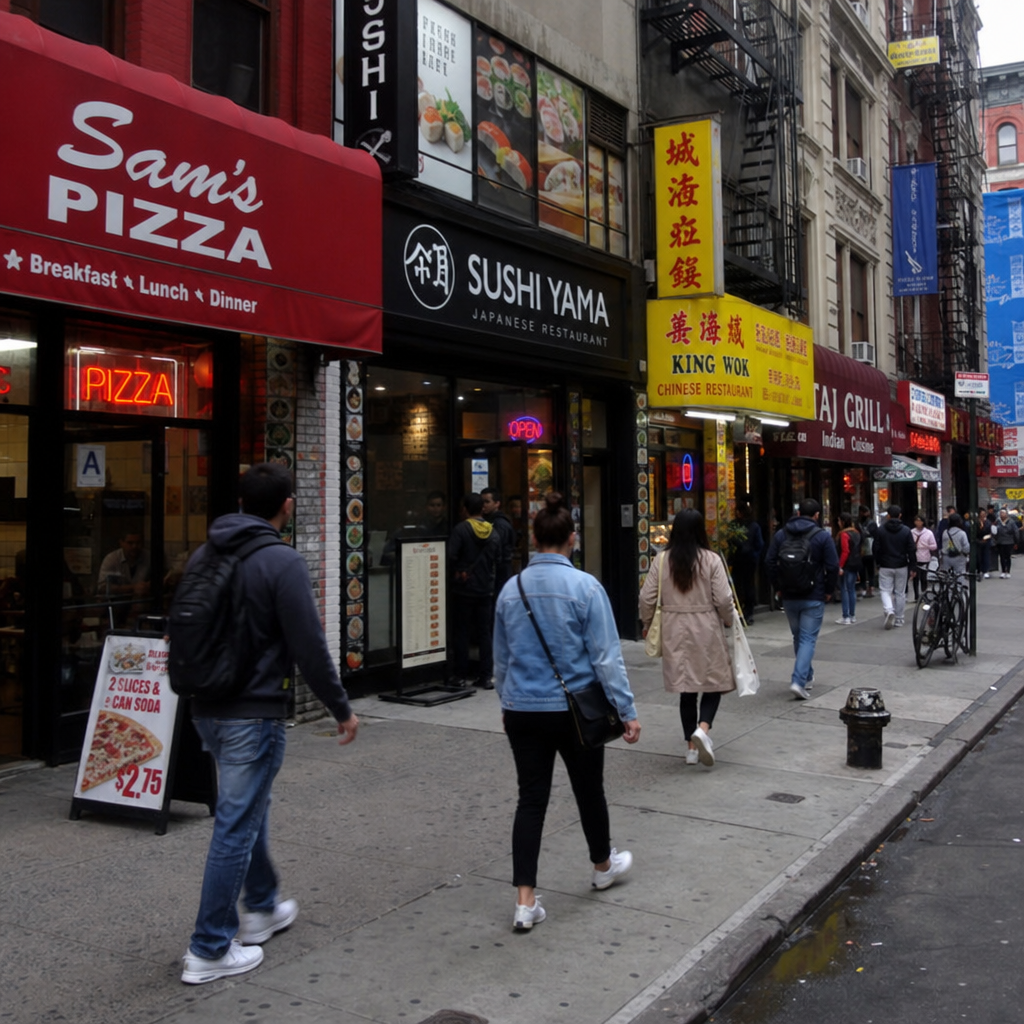
Finding a home for your new eatery is far more complex than driving around looking for "For Lease" signs. Proper site selection for restaurant success involves a deep dive into data, analytics, and consumer behavior.
A thorough restaurant site selection analysis removes the emotion from the real estate process. It transitions your decision-making from "I love the exposed brick in this building" to "The data proves my target customers walk past this building every day between 11 AM and 2 PM."
By relying on concrete location selection factors, you drastically reduce your risk of failure and set a solid foundation for long-term profitability.
Core Restaurant Site Selection Criteria
When evaluating potential properties, there is a multitude of restaurant location criteria to keep in mind. However, industry experts usually focus on a "holy trinity" of factors. When evaluating potential spaces, your primary restaurant site selection criteria—demographics, foot traffic, competition—must perfectly align with your specific restaurant concept.
1. Analyzing Target Market Demographics
Your concept dictates your location, not the other way around. Analyzing target market demographics ensures that the people living and working near your proposed site match your ideal customer profile.
If you are opening a high-end, organic vegan bistro, placing it in a working-class neighborhood known for fast-food consumption might lead to an empty dining room. Conversely, a budget-friendly family diner will thrive in suburban areas packed with young families.
When looking at demographics, consider:
- Average household income: Can the local population afford your menu prices?
- Age profile: Is the area dominated by college students, young professionals, or retirees?
- Lifestyle psychographics: Do the locals prioritize health and wellness, convenience, or luxury experiences?
- Daytime vs. nighttime population: A downtown location might have a massive daytime population of office workers (perfect for a lunch spot) but become a ghost town after 5 PM.
2. Measuring Pedestrian Foot Traffic Patterns
Foot traffic is the lifeblood of impulse-driven concepts like quick-service restaurants, coffee shops, and fast-casual spots. Even destination restaurants benefit heavily from walk-by visibility.
Measuring pedestrian foot traffic patterns goes beyond just looking out the window for ten minutes. You need to observe the site at different times of the day and on different days of the week. Are people walking briskly to catch a train, or are they strolling leisurely and window shopping?
If you are considering a breakfast spot, you need heavy morning foot traffic on the correct side of the street (the side people commute on).
3. Competitive Density Mapping
You might find a neighborhood with perfect demographics and high foot traffic, but what if there are already five established restaurants doing exactly what you plan to do?
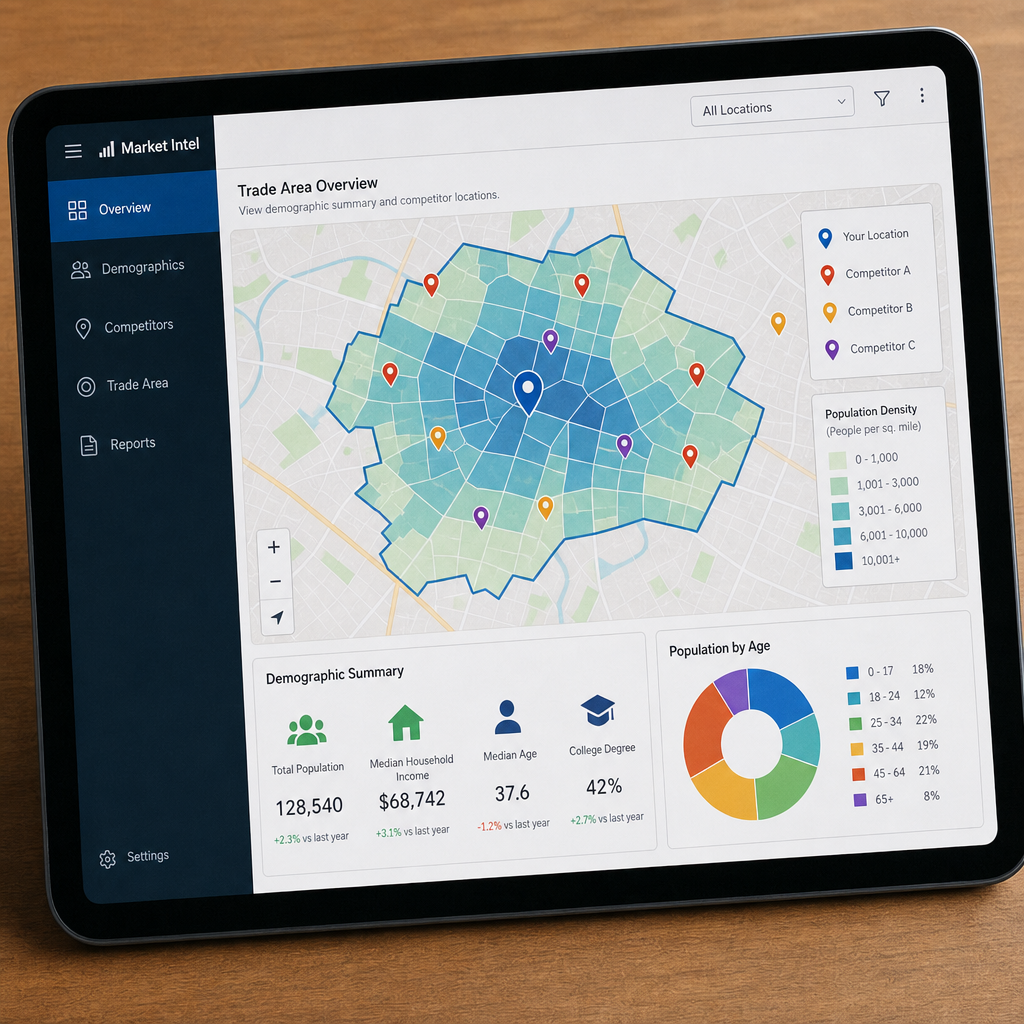
This is where competitive density mapping comes in. By plotting your direct and indirect competitors on a map, you can identify oversaturated markets and uncover lucrative "white spaces" or gaps in the market.
Keep in mind that some competition is actually good. A cluster of popular restaurants can turn a neighborhood into a "dining destination," drawing larger crowds than a single restaurant could attract alone. The goal is to ensure your concept offers a unique value proposition compared to your neighbors.
How to Conduct a Thorough Restaurant Site Analysis
Once you have identified a few potential neighborhoods based on your initial criteria, it is time to dig deeper. A professional restaurant site analysis involves both geographic and legal scrutiny.
Steps for Conducting a Trade Area Analysis
A trade area is the geographic region from which your restaurant will draw the majority of its customers. Knowing how to choose a profitable location requires defining this area accurately.
Here are the standard steps for conducting a trade area analysis:
- Define the boundaries: Instead of using a simple 3-mile radius, calculate "drive times" and "walk times." A three-mile drive on a congested highway takes much longer than three miles on a rural road.
- Analyze physical barriers: A river, a major highway without crosswalks, or a steep hill can mentally and physically cut off a segment of your perceived trade area.
- Utilize technology: Today, savvy operators use geographic information systems for retail planning (GIS). GIS software overlaps demographic data, traffic counts, and competitor locations onto interactive maps, giving you a highly accurate picture of your trade area's potential. Restaurant Site Finder delivers this analysis free for any address.
Local Zoning Laws and Permit Requirements
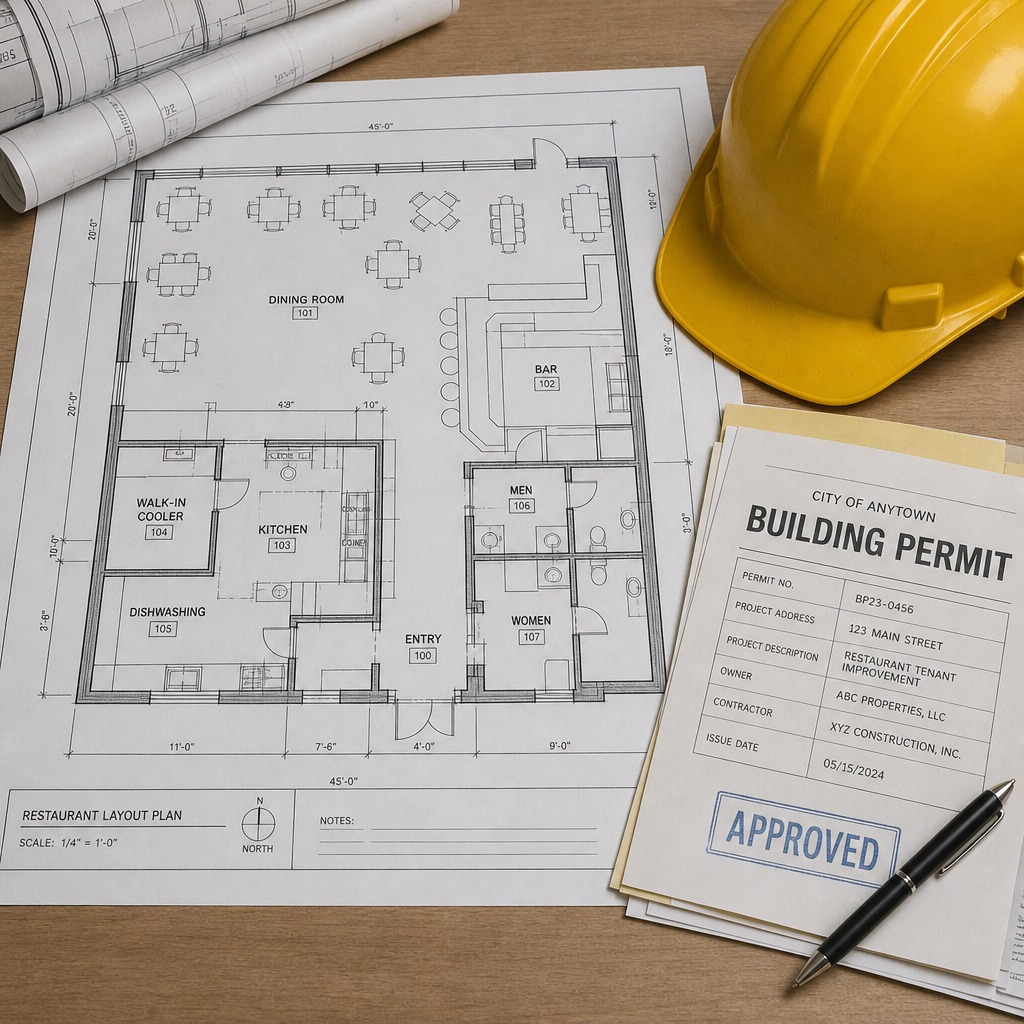
Never fall in love with a building before you understand the legalities attached to it. Local zoning laws and permit requirements can abruptly halt your grand opening.
Before signing anything, verify:
- Zoning: Is the property zoned for commercial restaurant use? Getting a space rezoned is a lengthy, expensive, and often unsuccessful process.
- Liquor licenses: Does the neighborhood have a cap on liquor licenses? Are there restrictions because the site is too close to a school or church?
- Ventilation and grease traps: If the space wasn't previously a restaurant, installing a commercial hood system and proper grease traps can cost tens of thousands of dollars. Ensure the city allows these modifications on the building.
Physical Space and Real Estate Formats
The physical structure of your location plays a massive role in operational efficiency and marketing.
Standalone Building vs Shopping Center Locations
One of the earliest decisions you will make is choosing between different types of commercial real estate.
Standalone buildings:
- Pros: You have complete control over your operating hours, branding, and parking. There are no restrictive landlord rules typical of malls, and you aren't reliant on an "anchor tenant" to draw crowds.
- Cons: You are solely responsible for driving traffic. Maintenance costs (roof, parking lot, landscaping) usually fall entirely on your shoulders.
Shopping centers and strip malls:
- Pros: These spaces benefit from built-in foot traffic generated by grocery stores or big-box retailers. You also share maintenance costs with other tenants through Common Area Maintenance (CAM) fees.
- Cons: Your visibility might be obscured by other tenants. You are also at the mercy of the center's reputation; if the anchor store closes, your foot traffic will plummet.
Storefront Visibility and Signage Opportunities
Even the best food in the world won't sell if people don't know you exist. Storefront visibility and signage opportunities are non-negotiable elements of your restaurant site selection.
Can your sign be seen by cars driving at 40 miles per hour? Is the building obscured by large trees or neighboring structures? Check local city ordinances and the landlord's lease rules regarding signage. Some cities have strict regulations on the size, lighting, and placement of exterior signs. If you cannot place a highly visible sign on the building or a nearby pylon, you will have to spend significantly more on marketing to compensate.
Parking Availability and Public Transit Access
Accessibility dictates convenience, and consumers crave convenience. If a customer has to circle the block for 20 minutes to find parking, they will likely go somewhere else next time.
Evaluate the parking availability and public transit access. If you are in the suburbs, a dedicated parking lot is mandatory. If you are in a dense urban core, proximity to subway stations, bus stops, and public parking garages is crucial. Furthermore, consider the needs of third-party delivery drivers (like UberEats or DoorDash)—they need easy, quick spots to pull over and grab food without getting ticketed.
Financial Considerations and Lease Evaluation
Your location must make sense not just geographically, but financially. A beautiful space that drains your operating budget is a bad location.
High-Traffic Areas vs Low-Rent Alternatives
Many new restaurateurs struggle with the debate between high-traffic areas vs low-rent alternatives.
Premium locations—like main streets, corner units, and bustling downtowns—come with premium price tags. The high rent acts as a built-in marketing budget because the location itself generates customers.
On the other hand, a low-rent location (like a side street or an older strip mall) frees up capital, but you will have to spend heavily on digital marketing, PR, and advertising to convince people to go out of their way to find you. Usually, it is safer for a first-time restaurateur to pay slightly more for a visible, high-traffic location to guarantee baseline sales. Use our rent calculator to stress-test occupancy costs.

Evaluating Commercial Lease Terms and Conditions
Commercial leases are complex, multi-year commitments that heavily favor the landlord. Evaluating commercial lease terms and conditions requires the help of a specialized real estate attorney or a tenant broker.
You must negotiate terms that protect your business, such as:
- Exclusivity clauses: If you are opening a pizza shop in a plaza, an exclusivity clause prevents the landlord from leasing another unit in the same plaza to a competing pizza brand.
- Tenant improvement (TI) allowances: Will the landlord provide funds or a rent-free period to help you build out the restaurant infrastructure?
- Lease length and options: A standard commercial lease is 5 to 10 years. Ensure you have the "option to renew" so that if your restaurant is successful, the landlord cannot simply kick you out to rent the space to someone else at double the price.
Identifying Hidden Costs in Commercial Property
Rent is just one piece of the puzzle. A major part of your restaurant site selection process must involve identifying hidden costs in commercial property.
Look closely at Triple Net (NNN) leases, where you are responsible for base rent plus your share of the building's property taxes, building insurance, and maintenance. These NNN costs can fluctuate wildly. Additionally, inspect the HVAC system, plumbing, and electrical panels. If the air conditioning breaks down in the middle of a July dinner rush and the lease states you are responsible for HVAC replacement, you could be out tens of thousands of dollars instantly.
Future-Proofing Your Choice
A great location today might be a terrible location five years from now. When researching, you must investigate neighborhood growth potential and future development.
Visit the local municipal office and look at the city's master plan. Are there plans to tear up the road in front of your building for a two-year sewer project? Is a massive new residential high-rise being built down the street? Road construction can bankrupt a restaurant, while new residential developments can bring a massive influx of new daily customers. Make sure the neighborhood is trending in a direction that supports your long-term vision.

The Ultimate Site Visit Checklist for Hospitality Businesses
To keep all these details organized during your search, use this quick site visit checklist for hospitality businesses to evaluate each potential space systematically:
- Demographics: Does the immediate 10-minute drive/walk radius match your target customer profile?
- Traffic: Have you tracked both vehicular and pedestrian traffic during your proposed peak operating hours?
- Accessibility: Is parking adequate? Is it easy to turn into the parking lot from the main road?
- Visibility: Can your signage be seen clearly from multiple angles without obstruction?
- Infrastructure: Does the building have sufficient electrical capacity, gas lines, HVAC, and proper venting routes for a commercial kitchen?
- Competition: Are complementary businesses nearby? Are there too many direct competitors?
- Zoning: Is the space legally cleared for restaurant use and liquor sales?
- Lease terms: Have you uncovered all NNN fees and hidden costs?
Keeping these restaurant location tips handy will ensure you don't get swept away by the aesthetics of a building while ignoring the practical business realities. For a printable deep dive, see our full restaurant site selection checklist.
Conclusion
Mastering restaurant site selection is arguably the most vital step in your entrepreneurial journey. It requires patience, deep research, and a willingness to walk away from deals that don't make logical sense.
By taking the time to conduct a rigorous restaurant site selection analysis, analyzing market demographics, mapping the competition, and heavily scrutinizing lease agreements, you set your business up for sustainable profitability. Remember, your restaurant's location is your permanent billboard, your greatest operational asset, and the physical embodiment of your brand. Choose it wisely, and the crowds will follow.
Run a free location analysis at Restaurant Site Finder before you sign your lease—and pair it with our guide on how to choose a restaurant location for a complete pre-opening workflow.
Run a free location analysis
Enter any address to get competitor mapping, market gaps, opportunity scoring, and concept ideas.
Analyze your location free Shop equipment at Horeca Store