Site Selection
Key Factors in Restaurant Location Planning
Master restaurant location planning—from demographics and trade areas to foot traffic vs. rent, accessibility, delivery radius, zoning, and lease terms—before you sign.
Key Takeaways
- Restaurant location planning starts with written site selection criteria—not a spontaneous “For Lease” chase.
- Demographics, psychographics, trade areas, and competition decide whether demand can convert into covers.
- Visibility, parking, co-tenancy, delivery radius, zoning, and lease terms can kill a site even when demographics look perfect.
- Screen addresses free at Restaurant Site Finder, then apply our location analysis factors before you sign.
Mastering the art of restaurant location planning is arguably the most critical step in your culinary business journey. You can have a Michelin-star chef, an innovative menu, and a stunning interior design—but if your restaurant is in a place where the right guests cannot find or reach you, those strengths never get a fair shot.
However, finding that perfect spot is not just about driving around and looking for “For Lease” signs. It requires a meticulous blend of art, science, and data. In this guide, we explore the key strategies and tips—site evaluation, market analysis, and site selection criteria—that drive culinary business success.
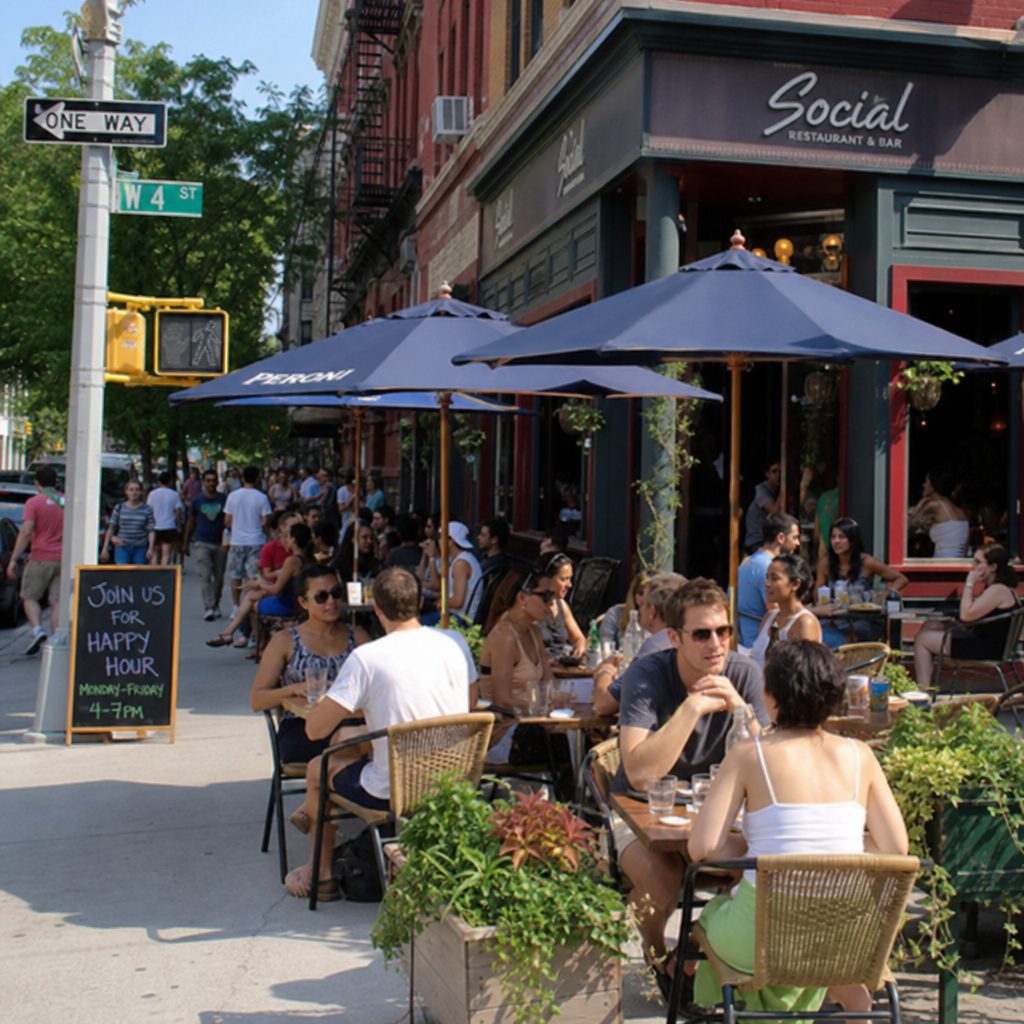
The Foundation of Restaurant Site Selection Criteria
Before signing a decade-long lease, you must establish a clear set of restaurant site selection criteria. This foundational checklist ensures that every potential property aligns with your brand, budget, and guest profile.
A thorough site evaluation goes far beyond the physical condition of the building. It encompasses the surrounding community, the economic climate, and the logistical realities of running a food service operation—from parking and HOOD capacity to liquor licensing timelines. Pair this foundation with our 15-factor site checklist.
Understanding Your Audience: Demographics and Psychographics
You cannot choose a location without knowing exactly who will be sitting at your tables. This requires a deep dive into target market demographic analysis. You need hard data on the surrounding population’s income levels, age ranges, household sizes, and daytime vs. residential presence.
But demographics only tell half the story. To truly understand your future guests, you must utilize psychographic profiling for food service. Psychographics look at the lifestyle, values, and daily habits of the people living and working nearby:
- Are they environmentally conscious? They might prefer a farm-to-table concept in a walkable, green neighborhood.
- Are they busy working parents? They will value convenience, quick service, and easy parking.
- Are they young professionals? They might seek late-night dining, craft cocktails, and a vibrant, trendy atmosphere.
Mapping the Trade Area
Once you know who your customers are, you need to know where they are coming from. Learning how to analyze restaurant trade areas is a non-negotiable skill for restaurateurs.
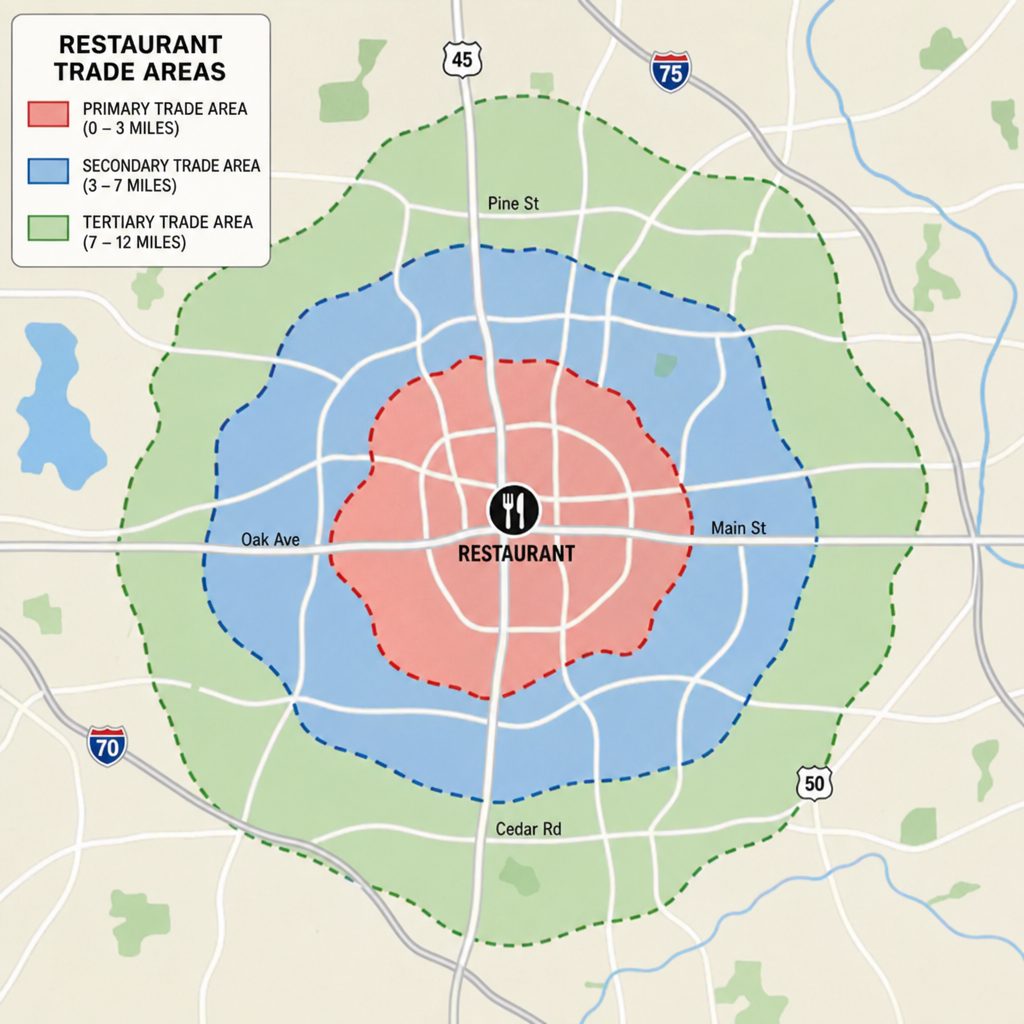
Your trade area is the geographic boundary from which you draw the majority of your customers. Typically, this is broken down into three zones:
- Primary trade area — Represents 50–70% of your customer base. Depending on the area, this could be a 5-minute drive or a 10-minute walk.
- Secondary trade area — Represents 20–30% of your customers, usually within a 10-to-15-minute drive.
- Tertiary trade area — The remaining customers who travel further, often drawn by a specific destination appeal or special occasion.
When analyzing these zones, consider physical barriers like rivers, highways, or train tracks that might artificially shrink your trade area by making travel difficult. For a deeper walkthrough, see our trade area analysis guide.
Competitive Landscape and Market Saturation
A robust market analysis is incomplete without looking at who else is operating in your desired neighborhood.
Auditing the Competition
You must conduct a competitive landscape audit to understand the local culinary ecosystem. Look at both direct competitors (restaurants serving similar food at a similar price point) and indirect competitors that fight for the same discretionary dining dollars.
Ask yourself:
- What are their operating hours?
- What is their average ticket size?
- Are they consistently busy, or do they struggle to fill seats?
- What do their online reviews say about local customer expectations?
Risk Management and Saturation
While some competition is good—it proves there is an appetite for dining out in the area—too much competition can be deadly. Mitigating market saturation risks involves identifying gaps in the market: underserved cuisines, dayparts, or price points where your concept can win instead of merely adding another undifferentiated option.
The Great Debate: High Foot Traffic vs Low Rent
One of the most common dilemmas in site selection is weighing high foot traffic vs low rent.
The high foot traffic route: Paying premium rent for a prime corner spot on a bustling downtown street means you spend less on marketing. The location markets itself. Walk-by traffic can sustain your lunch or dinner volumes—if occupancy cost still fits a realistic sales model.
The low rent / destination route: Choosing a space in a quieter neighborhood or an up-and-coming district lowers your overhead significantly. This allows you to invest more in high-quality ingredients, staff, and brand-building—but guests must be willing to seek you out.
When weighing these options, consider current urban vs suburban dining trends. The shift toward remote and hybrid work has breathed new life into suburban dining. With fewer people commuting to downtown offices every day, residential corridors can outperform legacy lunch strips that looked unbeatable five years ago.
Visibility, Accessibility, and Logistics
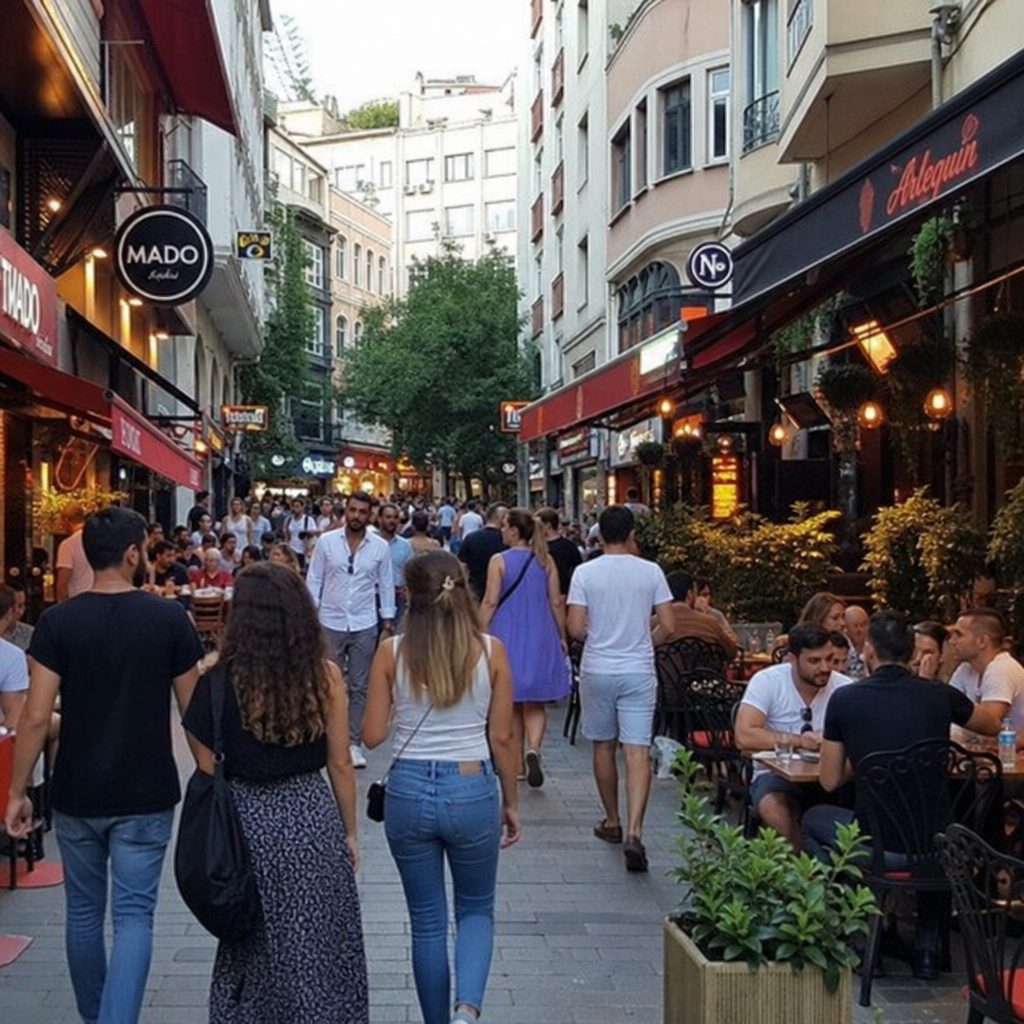
Even if a location looks perfect on paper, you must physically visit the site to conduct a visibility and accessibility assessment. A restaurant hidden behind a large row of trees, tucked into the back of a plaza, or blocked by awkward turns will underperform weaker-looking corners that are easy to see and enter.
Getting Seen and Accessed
Visibility is about how easily motorists and pedestrians can spot your signage. Accessibility is about how easily they can get to your front door.
- Can cars easily turn into the lot, or is there a concrete median blocking left turns?
- Is the location on the “going to work” side of the street (great for coffee shops) or the “going home” side (ideal for dinner and takeout)?
Evaluating the Flow
It is imperative to evaluate parking capacity and traffic flow. A beautiful dining room means nothing if guests drive away in frustration because they cannot find a parking spot. Count the spaces during peak hours, not just at 10am on a weekday.
The Power of Co-Tenancy
Don't underestimate anchor tenant proximity benefits. An anchor tenant is a major business—like a large grocery store, a popular movie theater, or a big-box retailer—that draws massive, consistent traffic. Sitting near the right anchors can borrow demand your standalone site would never generate alone.
The New Era of Off-Premise Dining
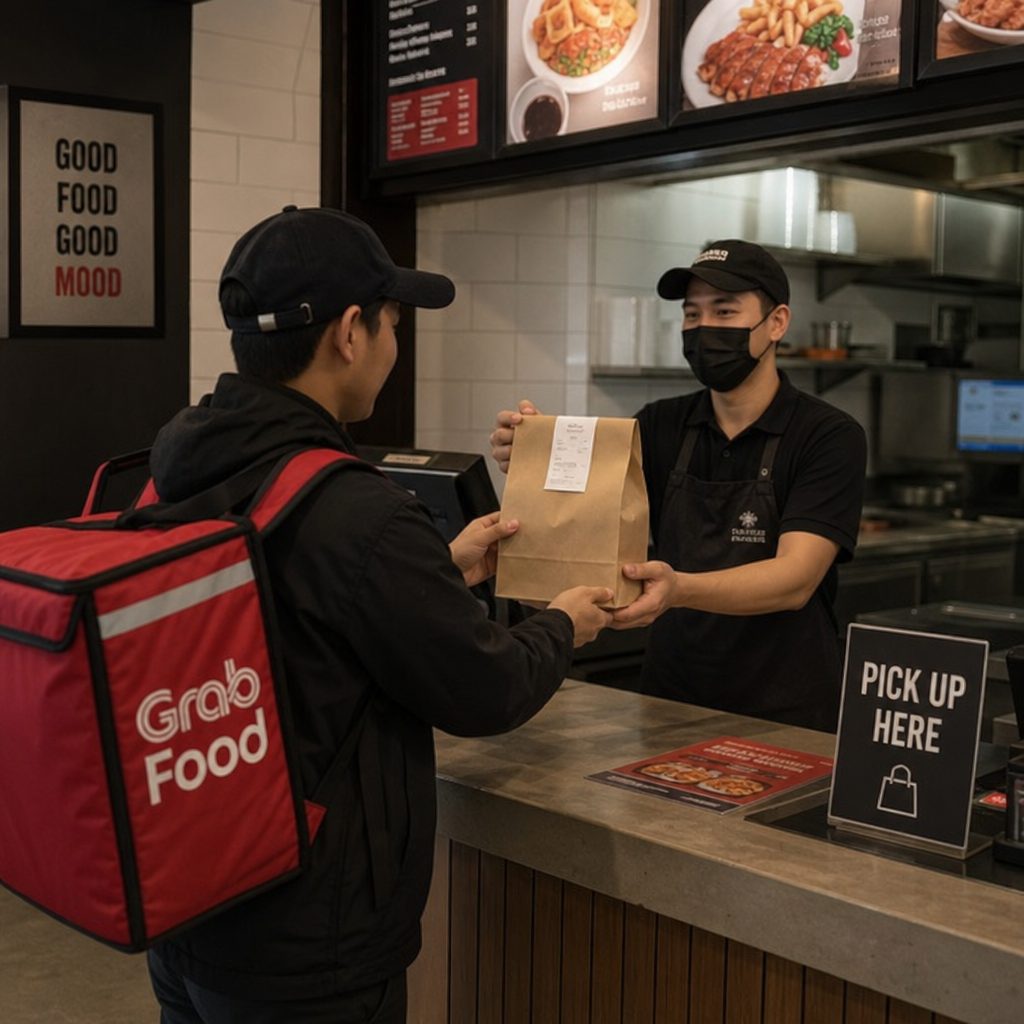
The restaurant industry has fundamentally changed over the last few years, with off-premise dining (takeout and delivery) becoming a permanent, major revenue stream. Your physical location dictates how efficiently you can compete in that channel.
When choosing a site, you must calculate the ideal restaurant delivery radius. Generally, food quality begins to degrade after 15 to 20 minutes in a delivery vehicle. Therefore, your ideal radius is usually a short drive-time polygon around dense residential or office demand.
Map out this radius. Are you reaching dense residential areas, college dorms, or office parks? If your delivery radius primarily covers industrial zones or empty highways, you are missing out on a massive revenue stream—even if the dining room looks charming.
Navigating Real Estate: Leases, Buying, and Zoning
The final frontier of restaurant location planning involves the legal, financial, and regulatory frameworks of commercial real estate. You can find a building with great foot traffic and perfect parking, then lose months—and money—to zoning surprises.
Navigating Local Regulations
Every municipality has strict rules about where food service establishments can operate. Overcoming restaurant zoning restrictions requires patience and due diligence. Before you sign anything, verify that the use is allowed for restaurants (and, if needed, for alcohol service).
If it isn't, you will need to apply for a variance or special use permit, which can take months and thousands of dollars, with no guarantee of approval. Furthermore, investigate the local laws regarding patio dining, rooftop use, grease traps, parking ratios, and signage.
The Financial Dilemma: Renting vs. Owning
A major financial decision you will face is renting vs buying restaurant property.
- Buying: Purchasing your building provides long-term stability. You build equity, you never have to worry about a landlord hiking the rent, and you have complete control over renovations. However, it requires substantially more capital and reduces flexibility if the area underperforms.
- Renting: Renting is the most common path for new restaurateurs. It requires less upfront capital and offers flexibility; if the neighborhood demographics shift unfavorably after five years, you can move—assuming your lease protections allow it.
Mastering the Lease Agreement
If you choose to rent, understanding commercial lease terms for eateries is critical. Commercial leases are complex and vastly different from residential leases. Key elements you must negotiate and model:
- Triple net lease (NNN): On top of base rent, you typically pay your share of property taxes, insurance, and CAM. Model total occupancy cost—not base rent alone.
- Tenant improvement (TI) allowance: Transforming a retail space into a restaurant is expensive. Negotiate TI dollars to fund kitchens, HVAC, and buildout.
- Exclusivity clause: If you are opening in a plaza, protect your concept so the landlord cannot lease a nearby bay to a near-identical competitor.
- Percentage rent: In some high-traffic developments, landlords take a share of sales above a breakpoint. Model the breakpoint against conservative projections.

Actionable Tips for a Flawless Site Selection
To bring these concepts together, here is a quick checklist for your location hunt:
- Visit at all hours. Don't just visit a potential space on a sunny Tuesday afternoon. Go on a Friday night, a Sunday morning, and during rush hour to see how the neighborhood's energy and traffic change.
- Talk to neighboring business owners. They will give you the unfiltered truth about the landlord, local crime rates, and winter parking reality.
- Hire a tenant broker. Find a commercial real estate agent who specializes in restaurants. They know market rates, often access unlisted properties, and their commission is usually paid by the landlord.
- Plan for the worst-case scenario. Ensure your financial projections account for a slow first six months. Do not choose a location where the rent requires you to operate at 100% capacity from day one just to break even.
When you are ready to call it, use a structured Go/No-Go location framework.
Conclusion
Strategic restaurant location planning is not a step to be rushed. It requires a delicate balance of analytical research and intuitive foresight—from understanding your target audience's psychographics to negotiating exclusivity language in a NNN lease.
Take the time to evaluate the demographics, respect the local competition, and carefully assess the logistical realities of your chosen site. By meticulously applying these site selection strategies, you give your culinary business the foundation it needs to succeed.
Ready to evaluate your next address? Try the free analysis at Restaurant Site Finder for competitor mapping, market gap detection, and an opportunity score—before you sign the lease.
Run a free location analysis
Enter any address to get competitor mapping, market gaps, opportunity scoring, and concept ideas.
Analyze your location free Shop equipment at Horeca Store