Site Selection
How to Do a Restaurant Competitive Analysis for Restaurant Success
Learn how to do a restaurant competitive analysis, from identifying direct and indirect rivals to dissecting menus, guest experience, delivery zones, digital footprint, and SWOT strategy.
Key Takeaways
- A thorough restaurant competitor analysis covers direct and indirect rivals across menu, operations, delivery, and digital presence.
- Use secret shopper checklists, delivery app metrics, and review sentiment to uncover operational gaps.
- Synthesize findings into a SWOT analysis to identify market white space and competitive threats.
- Automate competitor mapping free at Restaurant Site Finder.
The restaurant industry is notoriously fierce. Whether you are opening a bustling new downtown bistro, running a cozy neighborhood cafe, or managing a growing franchise, serving great food is no longer enough to guarantee long-term survival. To truly thrive, you need to know exactly who you are up against, what they are doing right, and where they are falling short.
This is where a comprehensive restaurant competitor analysis comes into play. By systematically evaluating your competitors, you can uncover actionable insights that inform your pricing, menu design, marketing strategies, and customer service protocols.
In this guide, we walk you through exactly how to execute a deep, insightful market analysis. You will learn everything from dissecting rival menus to understanding their digital presence, ensuring you have the data needed to dominate your local dining scene.
What Is a Restaurant Competitor Analysis?
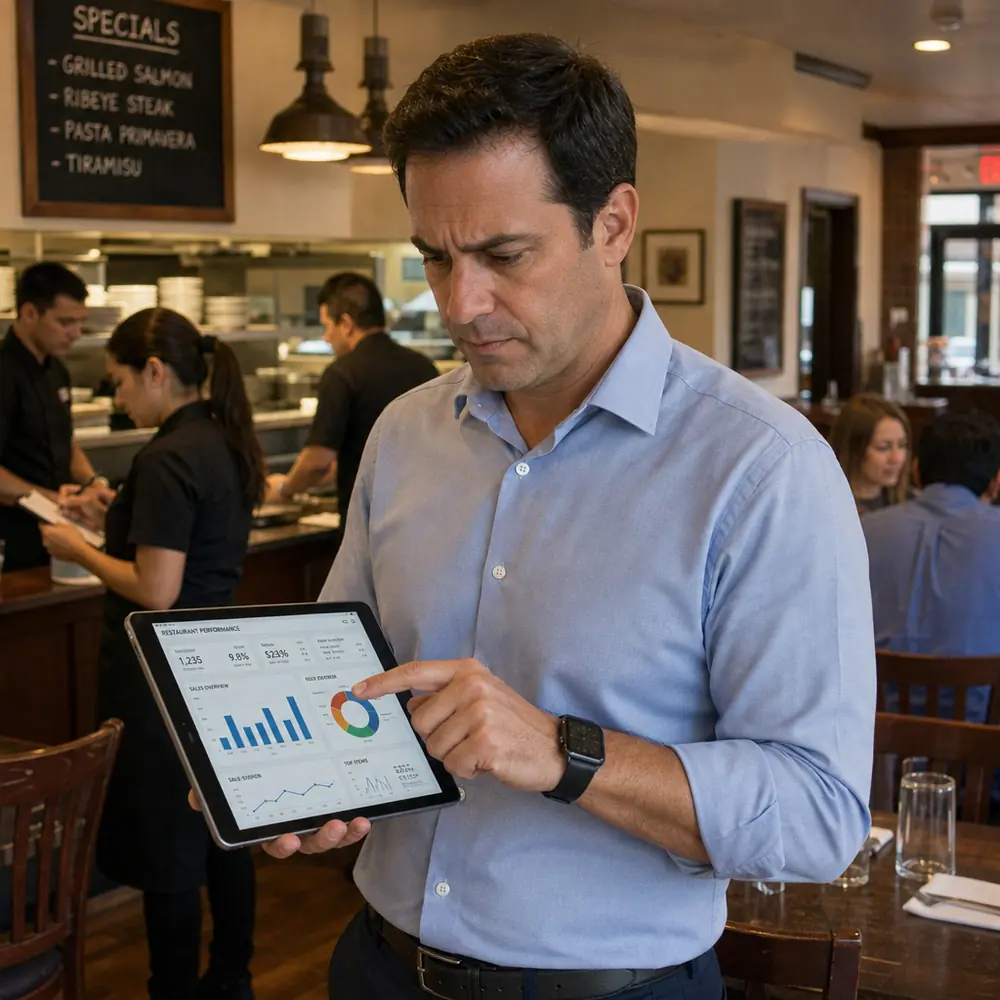
At its core, a restaurant competitor analysis is the process of identifying your direct and indirect competitors, evaluating their operational and marketing strategies, and using that information to sharpen your own business plan.
It is a critical component of your broader market analysis. Instead of operating in a vacuum and guessing what your target audience wants, looking at your competitors shows you exactly what the market is currently responding to. It removes the guesswork and replaces it with cold, hard data.
Why You Need to Analyze Your Competitors Regularly
- Risk Mitigation: Understand market saturation before launching a new concept.
- Strategic Positioning: Discover what makes your brand unique.
- Continuous Improvement: Learn from the successes and failures of others.
Step 1: Identify Your True Competitors
Before you can analyze your rivals, you must identify who they actually are. It is a common mistake to only look at restaurants that serve the exact same cuisine. In reality, competition comes in two forms:
Direct Competitors
These are restaurants targeting the exact same demographic, operating in the same geographic area, and offering a similar style of food and price point. If you run a mid-scale Italian restaurant, the other mid-scale Italian place three blocks away is your direct competitor.
Indirect Competitors
These establishments might serve different food or offer a different service style, but they still compete for your target customer's dining budget. For example, when comparing casual dining versus quick service models, you might realize that a nearby premium fast-casual salad bar is pulling away your downtown lunchtime crowd because they offer faster service, even if they don't offer the sit-down ambiance you provide.
Pro Tip: Start by selecting 3 to 5 direct competitors and 1 to 2 indirect competitors to keep your research focused and manageable.
Step 2: Dissecting the Menu and Pricing Strategy
The menu is the heart of any restaurant. Analyzing how your competitors structure, price, and market their food can provide a wealth of strategic knowledge.
Analyzing Rival Restaurant Pricing Strategies
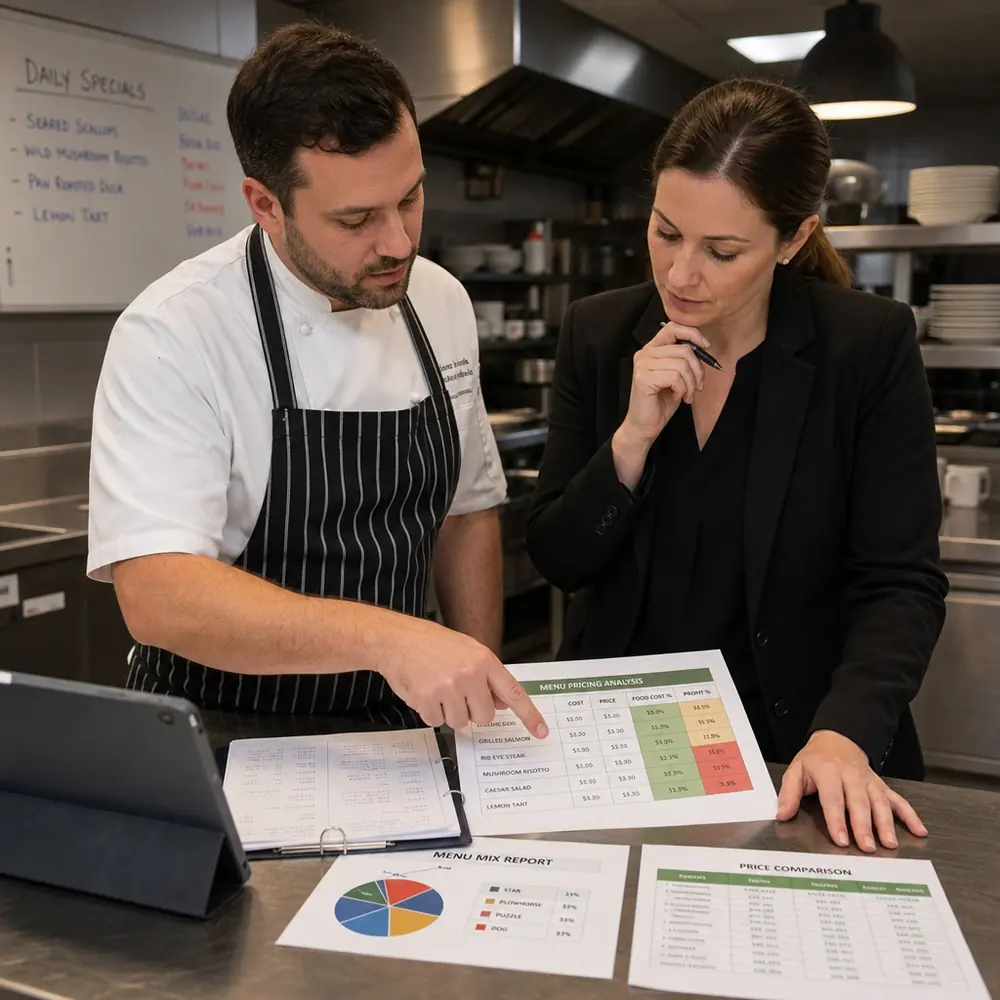
You need to know how much your target demographic is willing to pay. Look at your competitors' menus and chart out the prices for appetizers, entrees, desserts, and beverages.
- Are they using value meals or bundles to drive volume?
- Do they use premium pricing to position themselves as a luxury option?
- Are they charging extra for sides, or are meals all-inclusive?
Menu Engineering Benchmarking
Menu engineering is the study of the profitability and popularity of menu items. While you can't see a competitor's exact sales data, you can spot clues about their menu engineering.
- Look for "anchor" items, the highly-priced dishes designed to make the rest of the menu look more affordable.
- Notice which items are highlighted with boxes, bold text, or photos. These are likely their high-margin "Stars" or "Puzzles" they are trying to push.
By understanding their approach, you can begin optimizing menu offerings against market rivals. If every competitor is charging $18 for a standard burger with basic fries, you might find a competitive edge by offering a slightly smaller, higher-quality artisan burger for $16.
Step 3: Evaluating the Guest Experience and Operations
Great food will bring a customer in once, but great service keeps them coming back. You need to know how it actually feels to dine at your competitors' establishments.
Benchmarking Guest Experience and Service Speed
How long does it take for a customer to be greeted? How long for drinks to arrive? How long is the ticket time from ordering to receiving the main course? Benchmarking guest experience and service speed against your own operations will reveal if you are losing customers simply because you are too slow or your staff is less attentive.
Conducting the Secret Shopper Exercise
The best way to gather this data is by dining at your competitors' restaurants as a regular customer. Use a secret shopper checklist for eateries:
- Curb appeal and cleanliness: Is the exterior inviting? Are the bathrooms pristine?
- Host greeting: Was it prompt and friendly?
- Wait times: How long for a table, drinks, and food?
- Server knowledge: Could the server recommend pairings or explain dietary restrictions?
- Food quality: Temperature, presentation, portion size, and taste.
- The checkout process: Was paying the bill seamless and frictionless?
Step 4: Mastering the Off-Premise and Delivery Game
Since the massive shift in consumer behavior toward food delivery, dining rooms are only half the battle. Your competitors' off-premise strategies must be scrutinized.
Mapping Competitor Delivery Radius and Reach
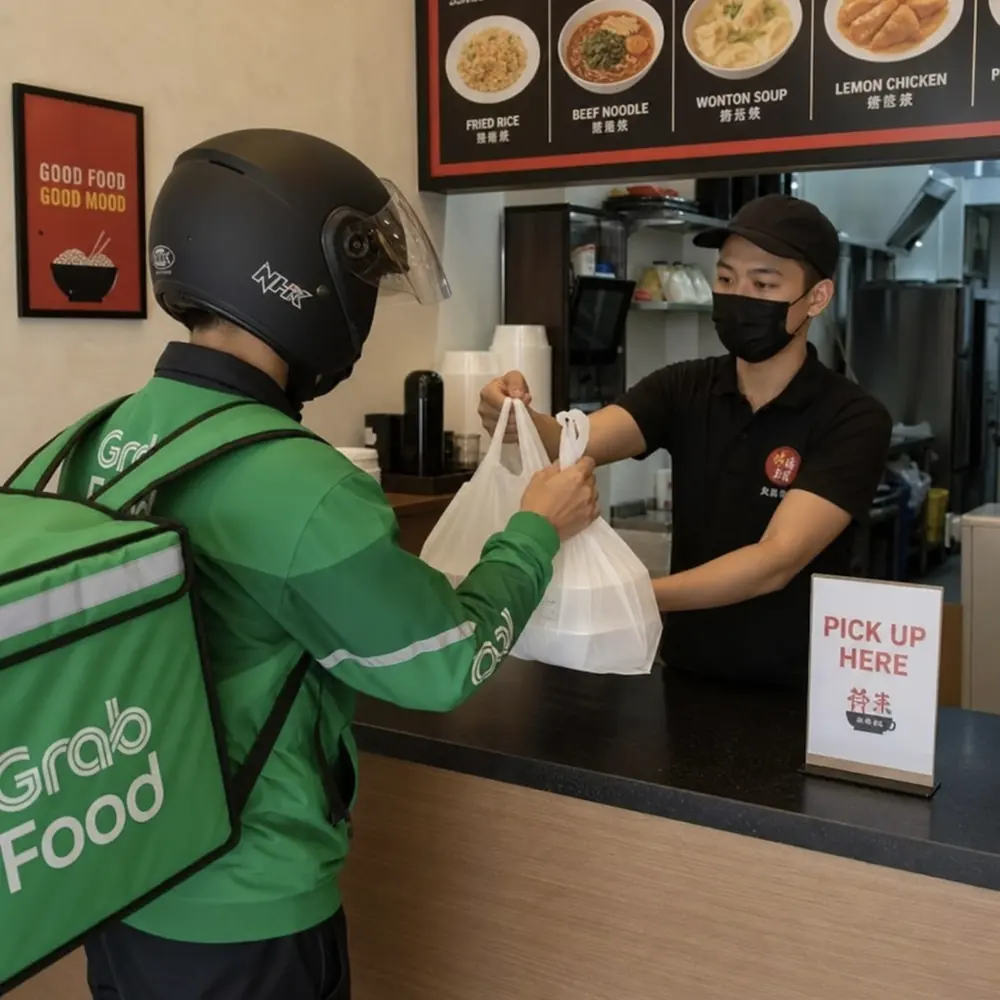
Where does their food travel? By logging into various delivery apps and inputting different local addresses, you can begin mapping competitor delivery radius and reach. If you notice a high-density residential neighborhood that your competitors do not deliver to, you have just found a lucrative, untapped delivery zone for your own business.
Third-Party Delivery App Performance Metrics
Don't just look at their delivery zones; look at how they perform on platforms like UberEats, DoorDash, and Grubhub. Check their third-party delivery app performance metrics:
- What is their average delivery time?
- Do they hold a "Top Eats" or "DashPass" badge?
- How many ratings do they have, and what is their average star score?
- How do they package their food?
Step 5: Analyzing the Digital Footprint and Marketing Strategy
In today's digital-first world, a restaurant's online presence is its digital storefront. If a competitor has a highly engaged online community, they possess a massive competitive advantage.
Evaluating Competitor Customer Reviews and Ratings
Review platforms are goldmines of consumer data. Spend time evaluating competitor customer reviews and ratings on Yelp, Google, TripAdvisor, and OpenTable.
- Look for common themes in the 5-star reviews (e.g., "The best patio seating in town").
- More importantly, look for patterns in the 1- and 2-star reviews. If a competitor constantly gets knocked for rude management or cold food, you know exactly which operational pitfalls to avoid.
Monitoring Social Media Engagement of Competitors
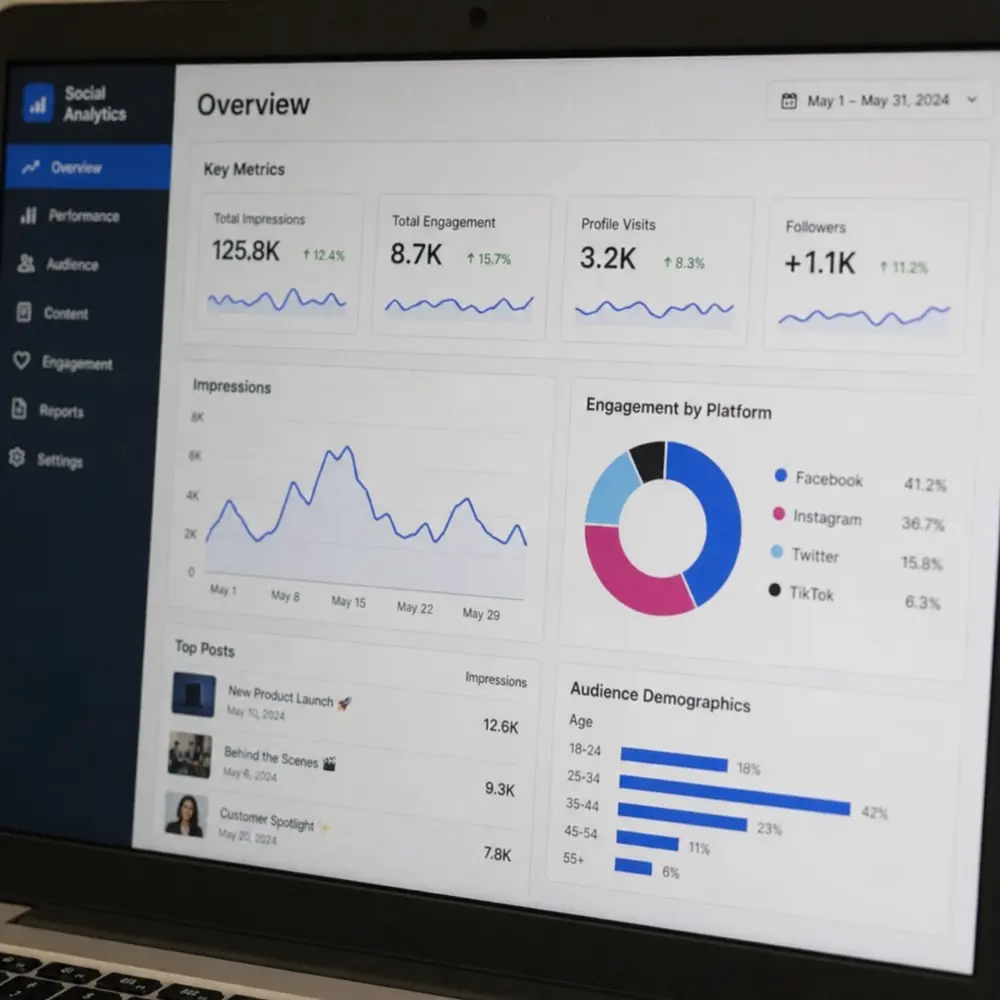
It is not about how many followers a competitor has; it is about how engaged that audience is. When monitoring social media engagement of competitors, look at comments, shares, and saves their posts receive.
- Are they using high-quality video content like Instagram Reels or TikToks?
- Do they run successful user-generated content campaigns?
- How quickly do they reply to comments and direct messages?
Identifying Common Marketing Weaknesses
As you analyze their digital presence, ask yourself: what are common restaurant marketing weaknesses that they are displaying?
- Inconsistent posting schedules
- Poor quality, unappetizing food photography
- Ignoring negative reviews or arguing with customers online
- A lack of a cohesive brand voice or storytelling
- Outdated websites with menus difficult to read on mobile devices
Tools for Monitoring Restaurant Digital Footprint
You don't have to do this all manually. Excellent tools for monitoring restaurant digital footprint include:
- Google Alerts: Set up alerts for your competitors' names.
- Sprout Social / Hootsuite: Track social media sentiment and competitor growth.
- SEMrush / Ahrefs: See what keywords your competitors rank for on Google.
Step 6: Synthesis and Strategy Formulation
Gathering all this data is useless if you do not synthesize it into an actionable strategy. This is where analytical frameworks come into play.
The Power of the SWOT Analysis
A SWOT analysis is a strategic planning technique used to identify Strengths, Weaknesses, Opportunities, and Threats. Creating a SWOT analysis for food businesses allows you to organize your competitor research and compare it directly to your own restaurant's capabilities.
- Strengths (Internal): What do you do better than competitors? (e.g., Faster ticket times, local organic sourcing, low staff turnover).
- Weaknesses (Internal): Where are you falling behind? (e.g., Outdated dining room, weaker loyalty program).
- Opportunities (External): What market gaps did you uncover? (e.g., Customers begging for gluten-free options competitors ignore).
- Threats (External): What competitor moves could hurt you? (e.g., A QSR chain opening a block away).
Identifying Gaps in the Local Food Market
The ultimate goal of this research is identifying gaps in the local food market. When you plot out everyone's price points, menu styles, and target demographics, you will inevitably see "white space", areas of the market that are currently underserved.
Perhaps your town has plenty of high-end steakhouses and cheap fast food, but lacks a mid-tier, family-friendly gastropub. Identifying these gaps allows you to pivot your business model to capture uncontested market share.
Staying Ahead of the Curve: Tracking Trends
Finally, a competitive analysis is not just about what is happening right now; it is about what happens next. You need to know how to track local dining trends before your competitors adopt them.
- Network with local suppliers and food purveyors; they know what ingredients are suddenly in high demand.
- Follow local food influencers and read regional hospitality blogs.
- Use Google Trends to search for rising food interests in your specific city or state.
If you spot a trend early, you can introduce it as a limited-time offer on your menu. If it succeeds, you become the local pioneer, and your competitors will be forced to play catch-up.
Conclusion
Running a successful restaurant requires a delicate balance of culinary passion and cold, calculated business strategy. A thorough, routine competitive analysis ensures that you are never flying blind.
By taking the time to study your competitors, from analyzing rival restaurant pricing strategies and mapping competitor delivery radius and reach, to executing a rigorous SWOT analysis, you equip yourself with the insights needed to outmaneuver the competition.
Remember, the goal is not to copy what the restaurant down the street is doing. The goal is to understand what they are doing, figure out what they are missing, and then do it vastly better.
Automate the first step. Enter any address at Restaurant Site Finder for instant competitor density mapping and opportunity scoring, then deepen your analysis with our effective market research strategies guide.
Frequently Asked Questions
What is a restaurant competitor analysis?
It identifies direct and indirect competitors, evaluates their strategies, and uses findings to sharpen your pricing, menu, marketing, and service.
What is the difference between direct and indirect restaurant competitors?
Direct rivals serve similar cuisine at a similar price nearby. Indirect rivals compete for the same dining budget with different food or service styles.
How do you analyze a competitor's menu and pricing?
Chart prices across menu categories, identify anchor items and highlighted dishes, and benchmark bundle and premium pricing strategies.
What should a restaurant secret shopper checklist include?
Curb appeal, greeting, wait times, server knowledge, food quality, cleanliness, and checkout experience.
Is Restaurant Site Finder free for competitor mapping?
Yes. Enter any US address at restaurantsitefinder.com.
Run a free location analysis
Enter any address to get competitor mapping, market gaps, opportunity scoring, and concept ideas.
Analyze your location free Shop equipment at Horeca Store