Guides
Streamlining Growth with Restaurant Software Tools
How restaurant expansion software, franchise management tools, and analytics streamline multi-location growth—plus how Restaurant Site Finder helps you pick the right sites first.
Key Takeaways
- Restaurant expansion software streamlines multi-location operations so owners can focus on strategy instead of day-to-day firefighting.
- Franchise management, analytics, inventory, and workforce automation keep quality consistent while cutting waste and labor friction.
- Integration, security, and scalability decide whether software grows with you—or becomes a bottleneck.
- Pair ops tools with Restaurant Site Finder so every new unit starts in a defensible trade area—see our location tools guide.
In today's fast-paced restaurant industry, growth is essential. But expansion comes with challenges. Managing multiple locations can be complex.
Restaurant expansion software offers a solution. It streamlines operations and enhances efficiency. This software is a game-changer for restaurant owners.
Franchise management software ensures brand consistency. It helps maintain quality across all locations. Consistency is key to customer satisfaction.
Restaurant analytics tools provide valuable insights. They help in understanding customer preferences. Data-driven decisions lead to better outcomes.
Automation reduces manual errors and saves time. It allows staff to focus on customer service. Efficiency boosts profitability and reduces costs.
Scalability is crucial for growing businesses. Software tools support seamless expansion. They integrate with existing systems for smooth operations.
Investing in the right software is vital. It supports sustainable growth and competitive advantage. Embrace technology for a successful restaurant business.
How Restaurant Site Finder Complements Restaurant Software Tools
While restaurant management software helps streamline daily operations, success starts with choosing the right location. Restaurant Site Finder helps restaurant owners identify the best locations using AI-powered market analysis, demographics, traffic insights, and competitor data, ensuring businesses begin with a strong foundation before scaling operations. Pair site selection with a structured Go/No-Go decision before you invest in build-out.
The Need for Restaurant Expansion Software in Modern Growth
As the restaurant industry evolves, so do its challenges. Managing growth without technology is daunting. Expanding businesses demand more efficient solutions.
Restaurant expansion software fulfills this need. It simplifies multi-location management. Owners can focus on strategic decisions rather than daily tasks.
Time is a valuable resource. Automation tools free up staff time. This allows teams to enhance customer service and satisfaction.
The benefits of using these tools include:
- Enhanced operational efficiency
- Consistent brand quality
- Simplified multi-location oversight
- Real-time data access for informed decisions
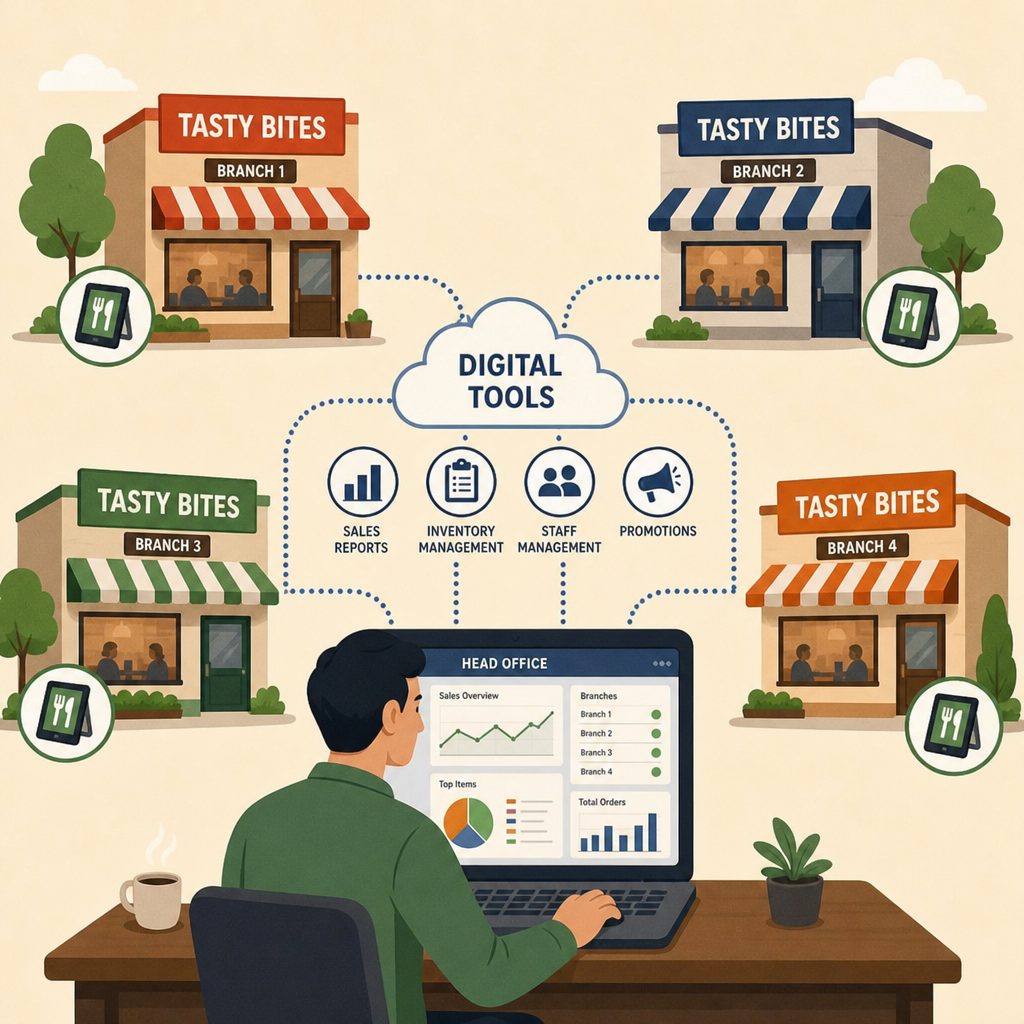
Centralized management helps maintain control. It enables quick responses to market changes. Flexibility is essential in a competitive environment.
Ultimately, investing in restaurant expansion software is a strategic move. It supports long-term growth. As customer demands rise, having the right systems in place becomes vital.
Understanding the dynamic nature of the industry, this technology ensures businesses stay ahead. Restaurants that embrace these tools can scale efficiently. They achieve growth with minimal disruptions.
Key Features of Restaurant Expansion Software
Successful growth requires the right tools. Restaurant expansion software offers critical features that streamline operations. These features ensure smooth scaling for any size business.
One essential feature is scalability. As a restaurant grows, software must adapt. This flexibility supports seamless transitions and operational consistency.
Integration capabilities are also vital. Software that works well with existing systems enhances efficiency. It reduces the need for extensive tech overhauls.
Comprehensive reporting tools provide valuable insights. They help managers make informed decisions. Access to real-time data allows for quick adjustments and strategic planning.
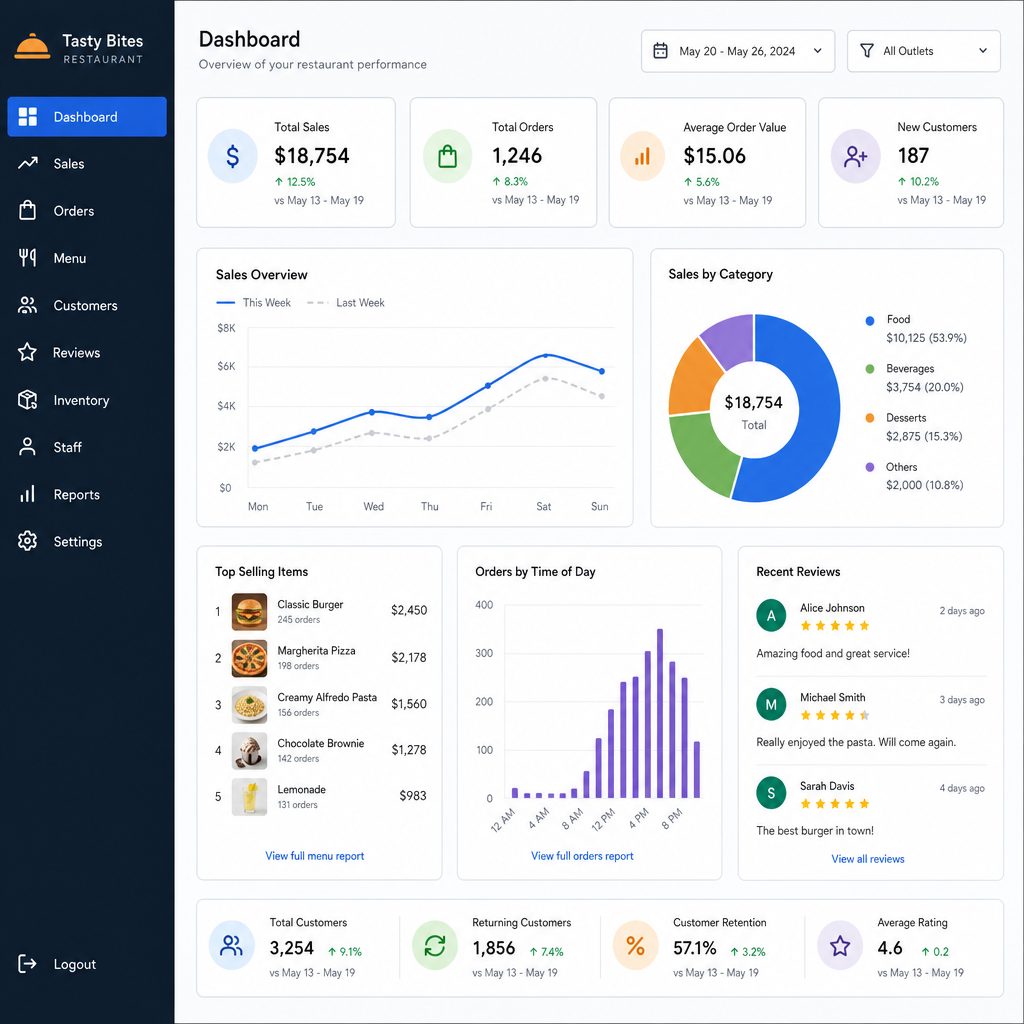
Another key feature is inventory management. Effective tracking reduces waste and optimizes stock levels. This directly impacts profitability by minimizing unnecessary costs.
Software must include robust security measures. Protecting sensitive data is paramount. This safeguards both business information and customer privacy.
In summary, some of the crucial features to look for include:
- Scalability to adapt to growth
- Integration with existing systems
- Comprehensive reporting and analytics
- Efficient inventory management
- Strong data security
These features collectively enhance the restaurant's ability to expand effectively. Owners and managers benefit greatly from well-designed software tools. They enable proactive management and steady growth. As technology evolves, choosing software that keeps pace with industry trends is essential for sustained success.
Franchise Management Software: Ensuring Consistency Across Locations
Franchises face unique challenges in maintaining brand consistency. Franchise management software addresses these issues effectively. It helps ensure that all locations uphold the same standards and practices. For multi-unit territory planning, see our guide on franchise location intelligence.
One critical element is centralized control. This allows franchise managers to oversee operations across multiple sites. Consistency in branding, menu items, and customer service is more easily maintained.
Efficient communication channels are another vital feature. Franchise management software facilitates seamless interactions. This ensures that updates and instructions are quickly disseminated to all locations.
Monitoring and reporting tools play a crucial role as well. They provide insights into each location's performance. Owners can spot discrepancies and address them promptly.
Key aspects of franchise management software include:
- Centralized control for brand consistency
- Seamless communication tools
- Comprehensive monitoring and reporting
- Standardized training and operational guidelines
Uniformity across franchises fosters a reliable customer experience. This builds trust and enhances brand loyalty. Franchise management software is indispensable in achieving operational coherence. It gives franchise operators the tools needed to grow effectively while preserving brand integrity.
Leveraging Restaurant Analytics Tools for Data-Driven Decisions
In today's data-rich environment, restaurant analytics tools provide a competitive edge. They transform raw data into actionable insights. Owners can make informed decisions that propel their business forward.
These tools offer more than just numbers. They uncover patterns and trends in customer behavior. Managers can optimize menus and promotions based on these insights.
Predictive analytics is particularly beneficial. It forecasts customer preferences and peak business hours. This helps in staffing effectively and enhancing customer satisfaction.

Moreover, analytics tools improve operational efficiency. They identify bottlenecks and areas for improvement. This results in reduced costs and increased profitability.
Real-time reporting is another significant advantage. Managers stay updated with live data feeds. Quick adjustments can be made to address emerging trends or issues.
Key benefits of restaurant analytics tools include:
- Insightful data on customer preferences
- Predictive analytics for proactive decision-making
- Enhanced operational efficiency
- Real-time reporting for immediate action
Investing in restaurant analytics tools empowers businesses with the knowledge they need. Decisions become guided by data, not guesswork. This strategic approach ensures long-term success in a dynamic market. By leveraging analytics, restaurants can optimize every facet of their operation for better results.
Integrating Software Solutions for Seamless Operations
Integration of software solutions is crucial in today's restaurant landscape. Seamless operations depend on systems working harmoniously. This connectivity bridges gaps and enhances efficiency.
A primary benefit of integrating software is data synchronization. It ensures consistent information across all platforms. This eliminates discrepancies and reduces manual errors.
For managers, integrated solutions offer a consolidated view. They can monitor sales, inventory, and customer feedback in one dashboard. This unified approach simplifies decision-making and strategy development.
Moreover, integrated systems enhance staff productivity. Employees spend less time on repetitive tasks. Automated processes free them to focus on customer service.
Key aspects of integrating software solutions include:
- Synchronization of data
- Unified dashboards for comprehensive oversight
- Improved staff productivity through automation
- Reduction of manual errors
When choosing software, integration capabilities should be a priority. The ability to connect existing systems defines the effectiveness of operations. Ultimately, it lays the foundation for smooth, uninterrupted business growth. This seamless approach ensures that all processes align efficiently, maximizing both productivity and profit.
Enhancing Customer Experience and Engagement with Technology
Technology significantly transforms customer experiences in restaurants. Modern tools facilitate personalized interactions and enhance guest satisfaction. The right technology fosters loyalty and repeat business.
Digital menus and mobile apps offer convenience to customers. They empower diners to explore options and place orders with ease. This accessibility improves overall dining experiences.
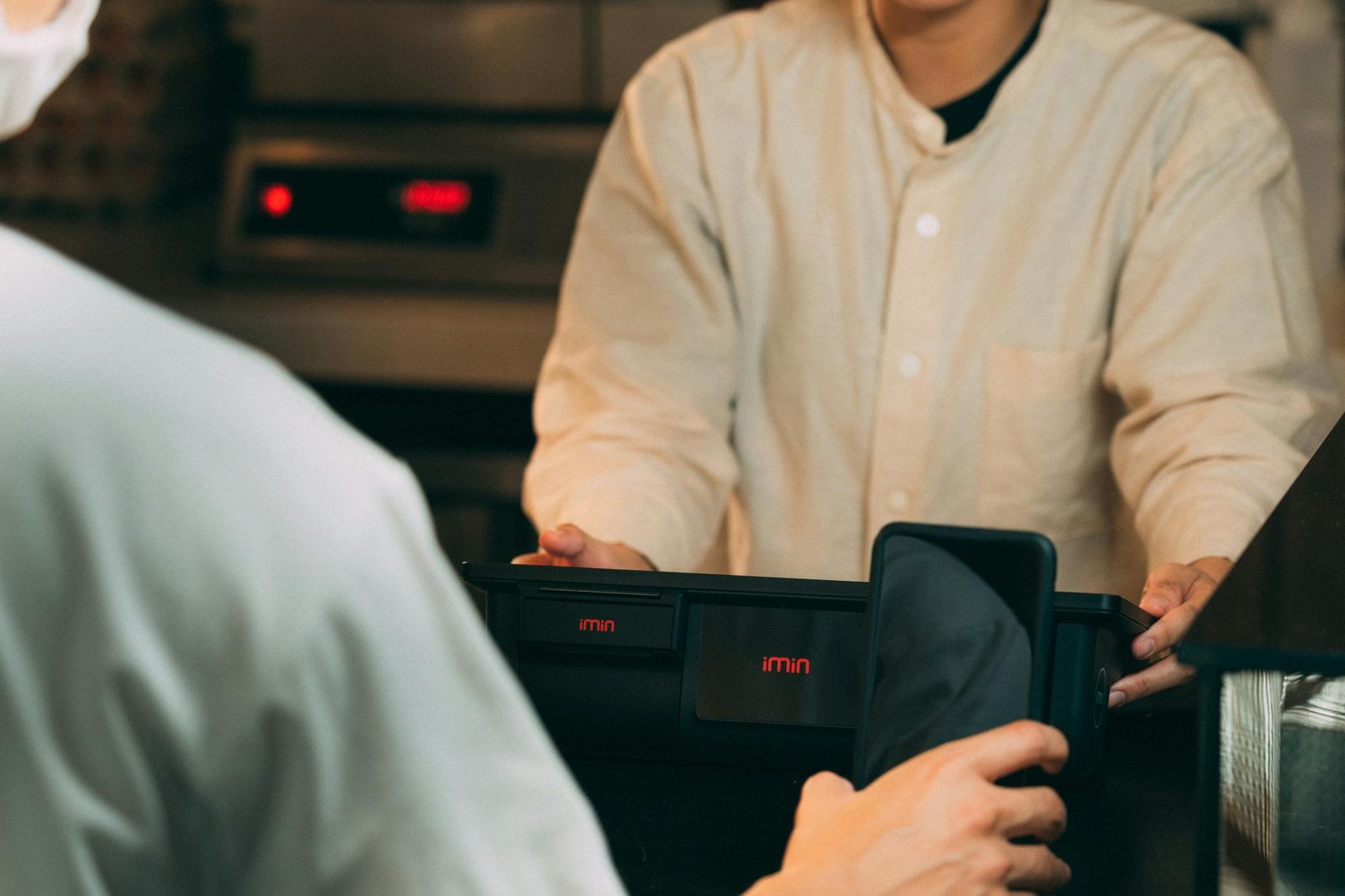
Restaurants benefit from collecting data on customer preferences. Insights from this data guide personalized promotions and tailored marketing efforts. This targeted approach boosts engagement and customer loyalty.
Key technological advancements that enhance customer experience include:
- Mobile ordering and payment systems
- Personalized promotional offers
- Real-time feedback collection
- Loyalty programs and rewards
Adopting technology leads to streamlined service and better interactions. Restaurants that leverage these tools deliver memorable experiences. Ultimately, effective engagement strategies solidify customer relationships, promoting business growth. As technology evolves, restaurants must continue adapting to meet and exceed guest expectations.
Workforce and Inventory Management: Automating the Essentials
Efficient workforce and inventory management are vital for restaurant success. Automation tools simplify these complex tasks, reducing errors and saving time.
Effective scheduling software optimizes staff allocation. It ensures the right number of employees at the right times. This balance helps manage labor costs and improve service quality.

Inventory management solutions minimize waste by tracking stock levels accurately. Automated alerts signal when items need restocking. These features help maintain optimal inventory levels, preventing shortages or overstock.
Key benefits of automating workforce and inventory management include:
- Reduced manual errors
- Improved scheduling flexibility
- Streamlined supply chain processes
- Lowered operational costs
Automation tools provide valuable insights into resource utilization. Managers can make data-driven decisions to enhance efficiency. Moreover, automating routine tasks allows staff to focus more on customer service.
Overall, automating workforce and inventory tasks supports restaurant expansion. These tools contribute to smoother operations and increased profitability. Implementing them is crucial for a thriving, scalable business.
Security, Compliance, and Data Protection in Restaurant Software
Security and compliance are crucial in the restaurant industry. Software tools offer robust measures to protect sensitive data. They ensure compliance with regulations and safeguard customer information.
A key concern is protecting payment data. Integrated systems offer encryption and secure payment gateways. This reduces the risk of data breaches and instills customer trust.
Key considerations for data protection include:
- Encryption of sensitive information
- Regular software updates and patches
- Compliance with industry standards
Compliance features help restaurants adhere to health regulations. They track compliance activities and automate documentation. This ensures businesses meet necessary standards without added workload.
Effective data protection bolsters a restaurant's reputation. It not only preserves customer trust but also reduces legal risks. By prioritizing security, restaurants can focus on growth and customer satisfaction.
Case Studies: Successful Restaurant Expansion with Software Tools
Real-world examples showcase the power of restaurant expansion software. Many businesses have successfully scaled with technology. These case studies reveal lessons and best practices.
Consider a family-owned chain transitioning to a national brand. They leveraged franchise management software effectively. This ensured brand consistency and operational efficiency across new locations.
Another success story involved a fast-casual restaurant. With restaurant analytics tools, they optimized menu offerings. Data insights led to improved sales and heightened customer satisfaction.
Key factors contributing to success:
- Strategic use of franchise management software
- Data-driven decisions with analytics tools
- Focus on brand consistency and customer satisfaction
These stories highlight the impact of adopting the right software tools. They illustrate that well-chosen solutions support smooth expansions. By learning from these examples, other restaurants can replicate success in their own growth journey.
Choosing the Right Restaurant Expansion Software for Your Business
Selecting the ideal restaurant expansion software is crucial. The right choice aligns with your business objectives. It supports seamless growth while ensuring efficiency.
Begin by assessing your specific needs. Understanding your pain points helps in choosing suitable software features. Consider what aspects of your operations require the most improvement.
Key aspects to evaluate include:
- Scalability for future growth
- Integration capabilities with existing systems
- User-friendly interfaces for easy adoption
Evaluate various software options through demos and trials. This firsthand experience aids in understanding functionality. It also ensures the tools will fit smoothly into your operations.
Finally, consider the support and training offered by software providers. Implementation success often depends on adequate training and reliable customer support. Investing in comprehensive services maximizes the benefits of your chosen tools. For the location side of expansion planning, compare market analysis software features before you commit capital to a new trade area.
Future Trends: AI, IoT, and the Digital Transformation of Restaurants
The restaurant industry is on the brink of a digital revolution. Emerging technologies like AI and IoT are leading this change. These innovations promise to enhance efficiency and customer experience.
Artificial Intelligence (AI) helps in predictive analytics. It allows managers to make data-driven decisions. From demand forecasting to personalized marketing, AI optimizes several aspects.
The Internet of Things (IoT) streamlines operations through smart devices. It enhances inventory and equipment management. Connected devices ensure real-time updates and proactive maintenance.
Upcoming digital trends shaping the restaurant industry include:
- Advanced AI-driven analytics for better insights
- IoT devices for efficient resource management
- Enhanced customer personalization through technology

By embracing these trends, restaurants can stay competitive. They foster innovation and streamline complex processes. The integration of AI and IoT is key in shaping the future of dining.
Conclusion: Building a Scalable and Profitable Restaurant Business
Incorporating restaurant expansion software is a strategic move for growth. These tools simplify operations and drive efficiency. The result is a scalable and profitable business model.
Using cutting-edge technology ensures competitive advantage. It streamlines management across diverse locations. By embracing these software solutions, restaurants can transform challenges into opportunities for success.
Before you scale the tech stack, make sure each new address can support the concept—run a free location scan at Restaurant Site Finder.
Run a free location analysis
Enter any address to get competitor mapping, market gaps, opportunity scoring, and concept ideas.
Analyze your location free Shop equipment at Horeca Store