Operations
How Restaurant Analytics Software Boosts Profits
Discover how restaurant analytics software tracks KPIs, optimizes labor and inventory, segments customers, and integrates with POS systems to drive measurable profit growth.
Key Takeaways
- Restaurant analytics software turns POS, inventory, and customer data into profit-driving decisions on staffing, menus, and marketing.
- Track sales patterns, satisfaction, inventory turnover, and table turn rates to find margin leaks fast.
- Segmentation, predictive analytics, and POS integration multiply the ROI of your data stack.
- Pair operational analytics with free location intelligence at Restaurant Site Finder.
Running a restaurant is no easy task. Owners and managers face many challenges daily. From managing staff to ensuring customer satisfaction, the list is endless.
In today's competitive market, data is king. Restaurants need to leverage data to stay ahead. This is where restaurant analytics software comes into play.
Restaurant analytics software provides valuable insights. It helps track key performance metrics like sales and customer preferences. This data-driven approach can significantly boost profits.
Understanding customer behavior is crucial. Analytics tools offer insights into what customers want. This allows for more personalized marketing strategies.
Optimizing operations is another benefit. Analytics can identify peak hours and help manage staffing levels. This reduces labor costs and improves efficiency.
Menu performance is also critical. Analytics can highlight which items are underperforming. This helps in making informed menu decisions.
Incorporating analytics into restaurant management is a game-changer. It transforms operations and enhances profitability. Embracing these tools is essential for success in the food service industry.
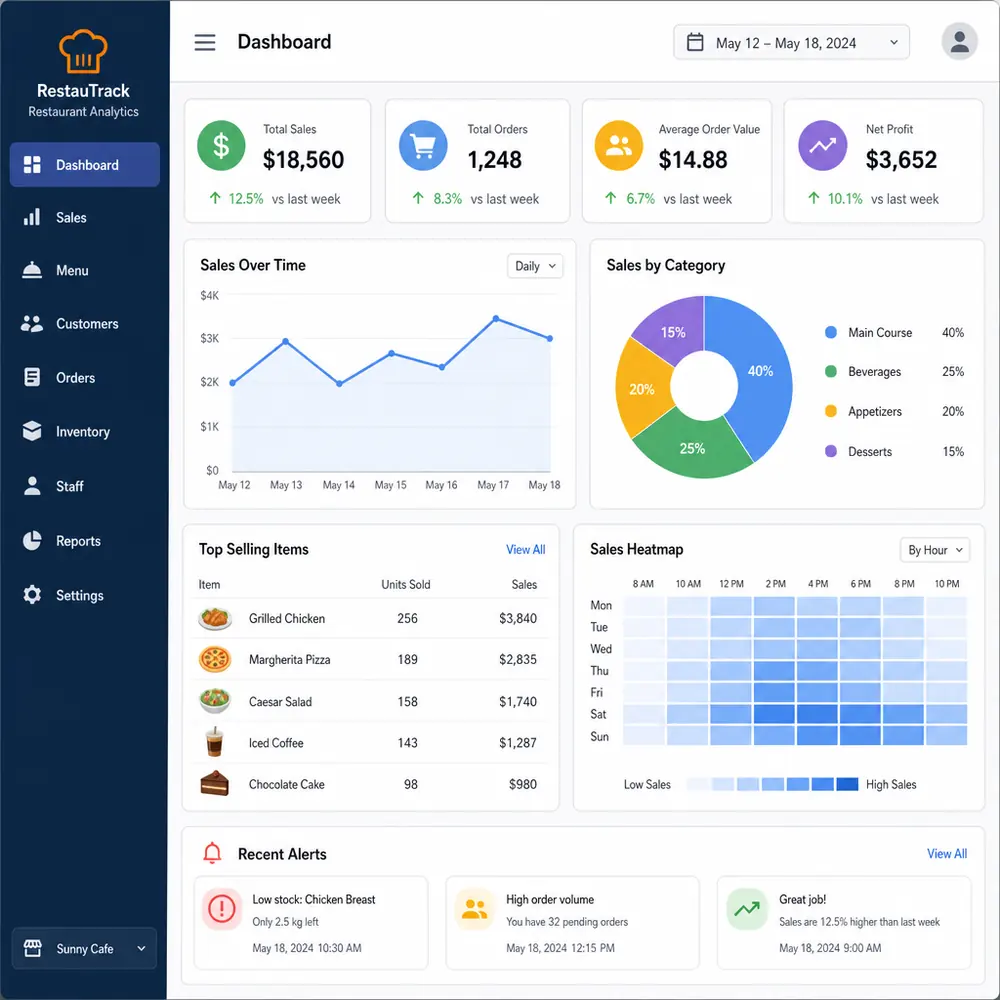
What Is Restaurant Analytics Software?
Restaurant analytics software is a powerful tool. It helps restaurants make sense of vast amounts of data. This software is designed to improve all aspects of restaurant management.
By collecting and analyzing data, it offers insights into various operations. From sales figures to customer preferences, it covers every detail. This knowledge empowers restaurant owners to make informed decisions.
The software integrates seamlessly with existing systems. This includes POS and CRM systems. Integration enables real-time data analysis and enhances decision-making capabilities.
Key functions of restaurant analytics software include:
- Tracking sales and performance metrics
- Analyzing customer behavior and preferences
- Optimizing inventory and supply chain management
- Enhancing marketing strategies through data-driven insights
Additionally, such software supports predictive analytics. This means it can forecast future trends based on past data. Anticipating demand and preparing accordingly becomes much easier.
In summary, restaurant analytics software is essential for modern restaurants. It drives efficiency and boosts profitability. By leveraging the power of analytics, restaurants can stay competitive and thrive.
Key Features of Restaurant Analytics Software
Restaurant analytics software comes packed with features designed to improve operations. Each feature aims to address specific aspects of the restaurant business.
One key feature is real-time data collection. This allows restaurants to access up-to-date information. Decisions can then be made quickly, reducing delays and improving responsiveness.
Predictive analytics is another crucial component. This feature analyzes historical data to forecast future trends. For instance, it can predict busy periods, helping plan staffing levels.
Segmentation capabilities provide deeper insights into customer groups. Restaurants can tailor promotions and marketing efforts. This leads to more personalized customer experiences and greater satisfaction.
The software also includes comprehensive reporting tools. Reports can be generated on sales, inventory, and customer trends. These provide a clear picture of overall restaurant performance.
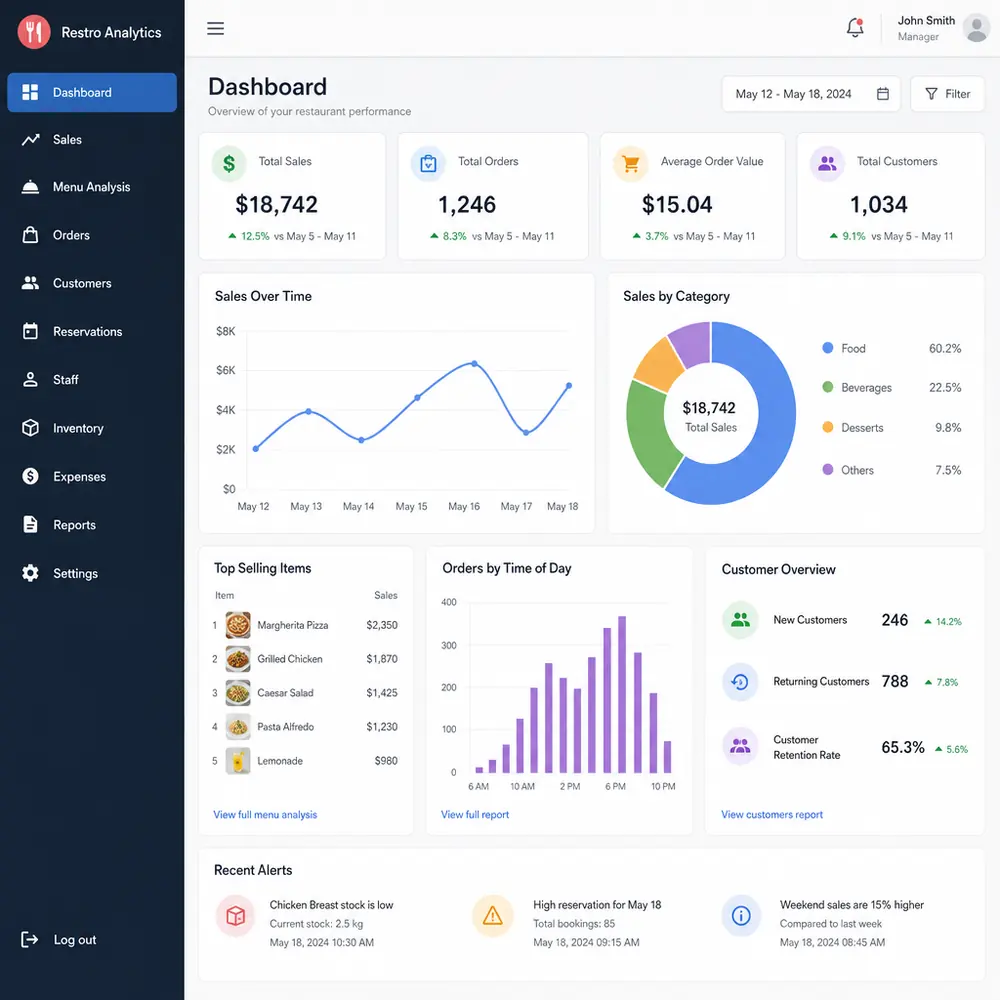
Dashboards are an integral part of the software's features. They offer a visual representation of key metrics. This makes it easier to spot trends and potential issues at a glance.
Key features typically include:
- Real-time data collection and analysis
- Predictive analytics for trend forecasting
- Customer segmentation for targeted marketing
- Comprehensive reporting and dashboards
- Integration with existing management systems
How Restaurant Analytics Software Works
Restaurant analytics software operates by collecting and analyzing data from various sources. This process begins with the integration of the software into existing systems. Point-of-sale (POS) systems, inventory management, and customer databases are all connected.
Once integrated, the software continuously gathers data. This can include sales transactions, customer preferences, and inventory usage. The data provides a real-time snapshot of restaurant operations.
The software then applies advanced algorithms to the collected data. This analysis identifies patterns, trends, and anomalies. Restaurant managers receive actionable insights tailored to their needs.
The insights are delivered through user-friendly dashboards and reports. These visual representations make the complex data easy to understand. As a result, decision-makers can quickly act on the insights provided.
The process involves:
- Integrating with existing restaurant management systems
- Gathering real-time data from multiple sources
- Analyzing data using advanced algorithms
- Delivering insights through dashboards and reports
With this process, restaurants can enhance their decision-making. They gain a comprehensive view of their business, leading to improved operations and profitability.

Essential Restaurant Performance Metrics to Track
Effective restaurant management relies on tracking key performance metrics. These metrics provide a foundation for making informed decisions. By analyzing them, owners can identify areas needing improvement.
Sales data is one of the most crucial metrics. It reveals peak hours and top-selling items. Understanding sales patterns aids in optimizing staffing and inventory levels.
Another critical metric is customer satisfaction. Feedback through surveys or reviews highlights service quality. Improving this metric often leads to increased patron loyalty and higher return rates.
Inventory turnover is also essential. It measures how often inventory is used or replaced. High turnover rates can indicate efficient stock management and fresh offerings.
Additionally, table turnover rates warrant attention. They show how quickly tables are filled and cleared. Optimizing this metric can maximize seating capacity and revenue.
These metrics can be summarized as:
- Sales data and peak hours
- Customer satisfaction and feedback
- Inventory turnover rates
- Table turnover rates
By consistently tracking these metrics, restaurants can enhance performance. They gain insights that drive strategic and operational improvements. Ultimately, this results in increased profits and customer satisfaction.
Benefits of Restaurant Data Analysis for Profitability
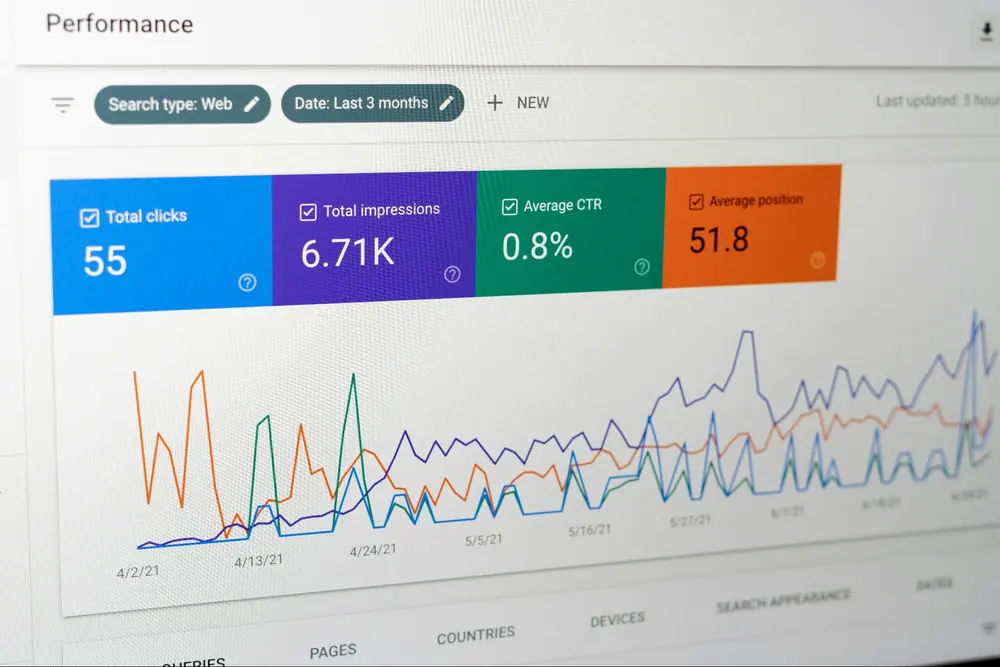
Restaurant data analysis can significantly enhance profitability. By leveraging data, restaurant owners make strategic decisions. This leads to more efficient operations and cost savings.
Data analysis offers insights into customer behaviors. With these insights, restaurants can tailor marketing strategies. Targeted promotions can increase customer engagement and sales.
Understanding inventory through analytics minimizes waste. Predicting demand accurately can reduce excess stock. This ensures fresh ingredients and cuts down on food waste.
Profitability is also driven by optimizing labor costs. Analyzing sales patterns allows for better scheduling. This reduces unnecessary labor costs during slow periods.
Analytics provide a clear picture of menu performance. Identifying best-selling and underperforming items is crucial. It assists in menu engineering to boost profits.
To summarize the benefits:
- Enhanced customer targeting
- Reduced inventory waste
- Optimized labor cost management
- Improved menu performance
Through these strategies, restaurants see improved profit margins. Data analysis empowers decision-makers with actionable insights. These insights lead to long-term sustainable growth.
Segmentation Features: Unlocking Deeper Insights
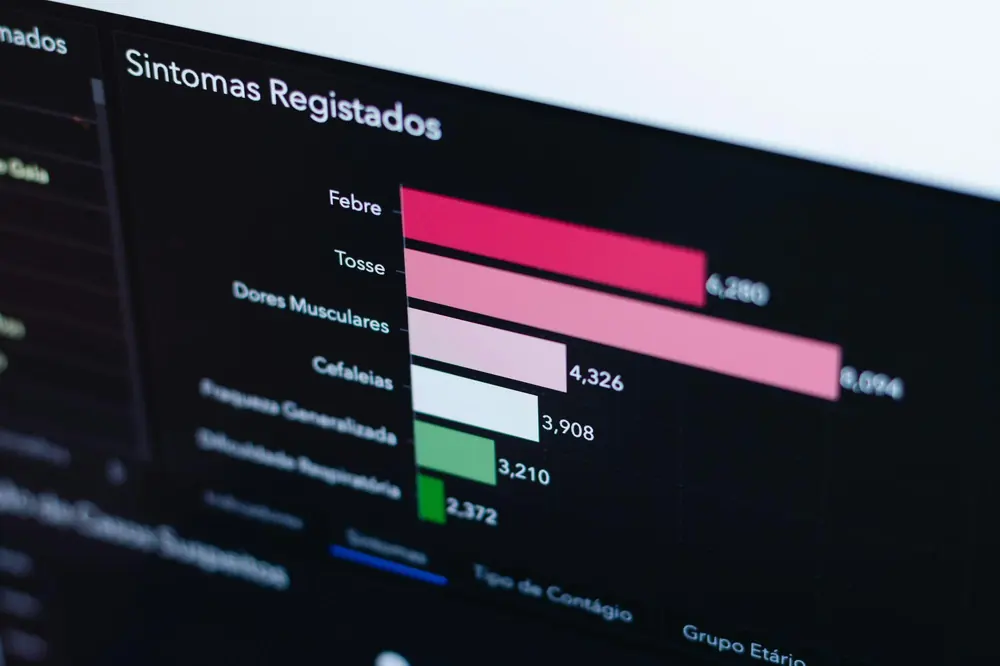
Segmentation features in restaurant analytics software allow for detailed data categorization. These features help identify specific customer groups. Restaurant managers can use this segmentation to tailor their strategies.
With segmentation, you can divide your market based on demographics or buying behavior. Understanding these groups enables more precise marketing efforts. Personalized promotions can then be crafted for maximum impact.
Segmentation also enhances customer loyalty programs. By identifying which groups are most profitable, you can reward them accordingly. This encourages repeat business and enhances customer satisfaction.
Key benefits of segmentation features include:
- Targeted marketing campaigns
- Improved customer retention efforts
- Greater understanding of consumer preferences
Incorporating these features provides a competitive edge. By fully understanding your clientele, you create meaningful connections. These insights drive both customer loyalty and restaurant profitability.
Integrating Analytics with Restaurant Management Software
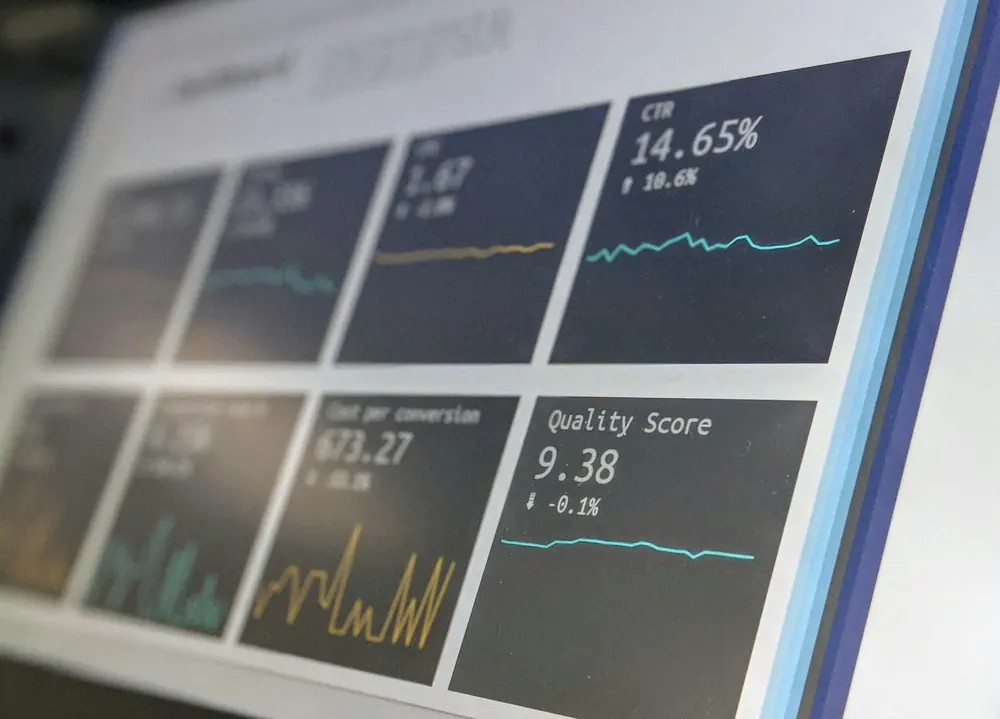
Integrating analytics with restaurant management software creates a seamless data flow. This integration offers a comprehensive view of operations. It links customer data, sales, and inventory management effectively.
The integration helps restaurant owners streamline processes. Efficient data collection reduces manual errors. Managers can access real-time insights, enhancing decision-making speed.
Key integration benefits include:
- Improved operational efficiency
- Real-time access to business insights
- Reduced manual data entry errors
This integration not only boosts efficiency but also uncovers hidden patterns. Identifying trends leads to proactive strategy adjustments. Restaurants become better equipped to meet customer expectations.
Advanced systems provide a cohesive dashboard for managers. They offer centralized data access from a single platform. This holistic view drives well-informed strategic changes.
Real-World Use Cases: Analytics for Restaurants in Action
Restaurant analytics software transforms how businesses operate. Real-life examples show how data insights lead to significant improvements.
For instance, a bustling bistro used analytics to identify peak dining hours. This insight allowed better staffing, reducing labor costs significantly. The staff could focus their energies more effectively.
A family-owned cafe utilized data analysis to adjust their menu. With software assistance, they spotted underperforming items. Replacing them increased average ticket sizes and improved customer satisfaction.
A large chain restaurant leveraged analytics for targeted marketing. They used customer segmentation to tailor promotions. This approach improved their marketing ROI and attracted repeat diners.
Real-world benefits include:
- Identification of peak hours for efficient staffing
- Menu optimization to increase sales
- Targeted marketing leading to better ROI
Innovative analytics applications go beyond efficiency and sales. Several establishments use data to drive sustainability. By predicting demand more accurately, they minimize food waste and boost profitability.
How to Choose the Right Restaurant Analytics Software
Selecting the right restaurant analytics software is crucial. The choice impacts how effectively a restaurant can use data. It's vital to ensure the software fits your unique needs.
Begin by assessing the specific requirements of your business. Different restaurants have varied priorities and challenges. Knowing what you need helps in narrowing down software options.
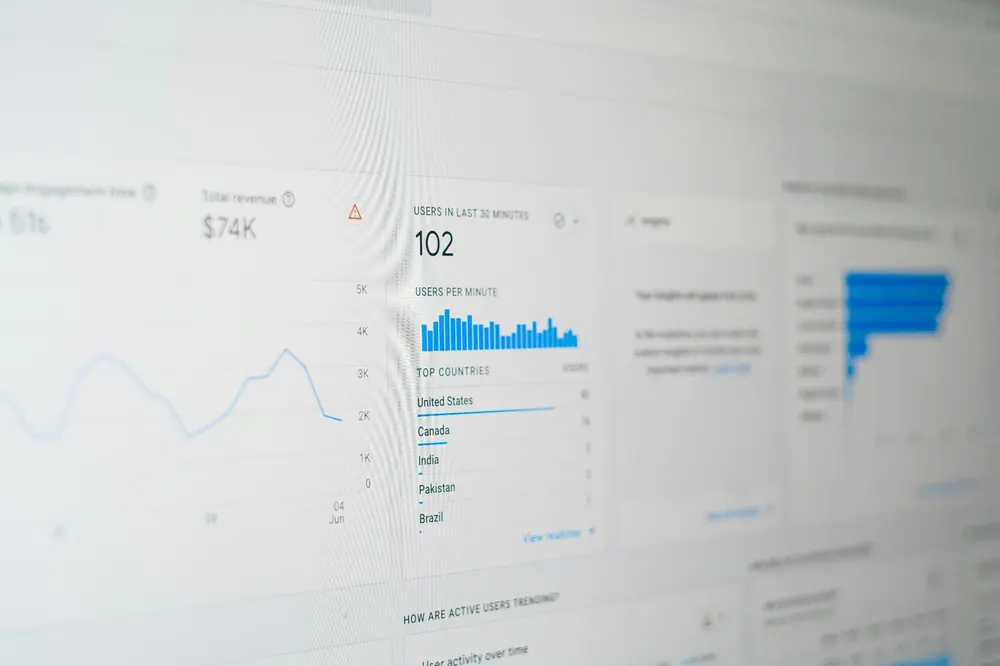
Consider features such as real-time data collection and user-friendly interfaces. Ensure it can integrate with existing systems, like your POS.
Evaluate the software's scalability and support services. As your restaurant grows, so should your software's capacity. Reliable customer support is essential for smooth transitions and troubleshooting.
When choosing the right software, focus on:
- Compatibility with existing systems
- Scalability for growth
- User-friendly experience
- Comprehensive customer support
Consult with peers or industry experts for recommendations. Their experiences can provide valuable insights into how software performs in practice.

Implementation Tips and Best Practices
Successful implementation of restaurant analytics software requires careful planning. Start by setting clear objectives. Define what you hope to achieve with analytics to guide your implementation process.
Engage your team early. Ensure everyone understands the software's benefits. This knowledge fosters acceptance and collaboration in using the new system.
Train your staff thoroughly. Hands-on practice will help them get comfortable with the software. Ongoing training is essential as you optimize the use of features over time.
Monitor the initial use of the software and gather feedback. Early observations can identify areas needing adjustment. This approach ensures you optimize performance from the start.
For a smooth implementation, remember to:
- Set clear goals
- Involve the team early
- Provide comprehensive training
- Gather and act on feedback

Future Trends in Food Service Analytics
The future of food service analytics is bright and ever-evolving. Technological advances continue to reshape how restaurants operate. New trends promise to further refine insights and efficiency.
Machine learning will play a growing role. It offers deeper predictive analytics, allowing restaurants to anticipate trends and customer preferences. This ability enhances decision-making and can significantly boost profits.
Sustainability is becoming more important. Analytics tools will increasingly focus on tracking and reducing waste. Environmental consciousness meets profitability in this trend, aligning values with business goals.
Emerging trends include:
- Enhanced predictive analytics through machine learning
- Increased focus on sustainability tracking
- Greater integration with IoT devices
As these trends develop, savvy restaurant owners will adopt new tools. They can expect to gain a competitive edge by staying ahead of the curve.

Conclusion: Transforming Restaurant Operations with Analytics
Restaurant analytics software is not just a tool but a transformative asset. By embracing data-driven insights, restaurant owners can profoundly enhance efficiency and increase profitability.
This software allows for informed decision-making across all facets of operations. From optimizing menus to managing inventory, analytics drive smarter strategies. Ultimately, restaurants that leverage these insights gain a distinct competitive advantage.
Operational analytics maximize profit at your current locations. Location analytics help you choose the next site wisely. Run a free AI-powered analysis at Restaurant Site Finder and read our related guide on maximizing efficiency with restaurant analytics software.
Frequently Asked Questions
How does restaurant analytics software boost profits?
It optimizes staffing, reduces waste, improves menu mix, and enables targeted marketing, all directly improving margins.
What metrics should restaurant analytics track?
Sales by daypart, customer satisfaction, inventory turnover, table turn rate, food cost percentage, and labor cost percentage.
Can restaurant analytics integrate with POS systems?
Yes. Modern platforms connect to POS, CRM, and inventory systems for unified real-time reporting.
What are segmentation features in restaurant analytics?
They divide customers by behavior or demographics so you can tailor promotions and loyalty rewards.
Is Restaurant Site Finder free for location analytics?
Yes. Enter any US address at restaurantsitefinder.com.
Run a free location analysis
Enter any address to get competitor mapping, market gaps, opportunity scoring, and concept ideas.
Analyze your location free Shop equipment at Horeca Store