Operations
Choosing the Best Analytics Software for Restaurants
A buyer's guide to choosing the best restaurant analytics software: key metrics, core features, integration, comparisons, case studies, implementation tips, and future trends.
Key Takeaways
- The best analytics software for restaurants combines real-time reporting, POS integration, inventory tools, and customer insights in one platform.
- Track revenue trends, satisfaction, inventory turnover, labor efficiency, and marketing ROI, not vanity metrics.
- Compare vendors on scalability, support, security, and ease of use before signing a contract.
- Pair operational tools with free location intelligence at Restaurant Site Finder.
Running a restaurant is no small feat. It involves juggling numerous tasks, from managing staff to ensuring customer satisfaction.
In today's competitive market, data-driven decisions are crucial. This is where analytics software for restaurants comes into play.
Analytics software helps track vital restaurant performance metrics. These metrics include sales, customer preferences, and inventory levels.
With the right restaurant management software, owners can make informed decisions. This leads to improved efficiency and increased profitability.
Choosing the best analytics software can be daunting. There are many options, each with unique features and benefits.
Understanding what to look for is essential. Key features include real-time data reporting and user-friendly dashboards. Integration capabilities with existing systems are also important.
This guide will help you navigate the options and select the best software for your needs.
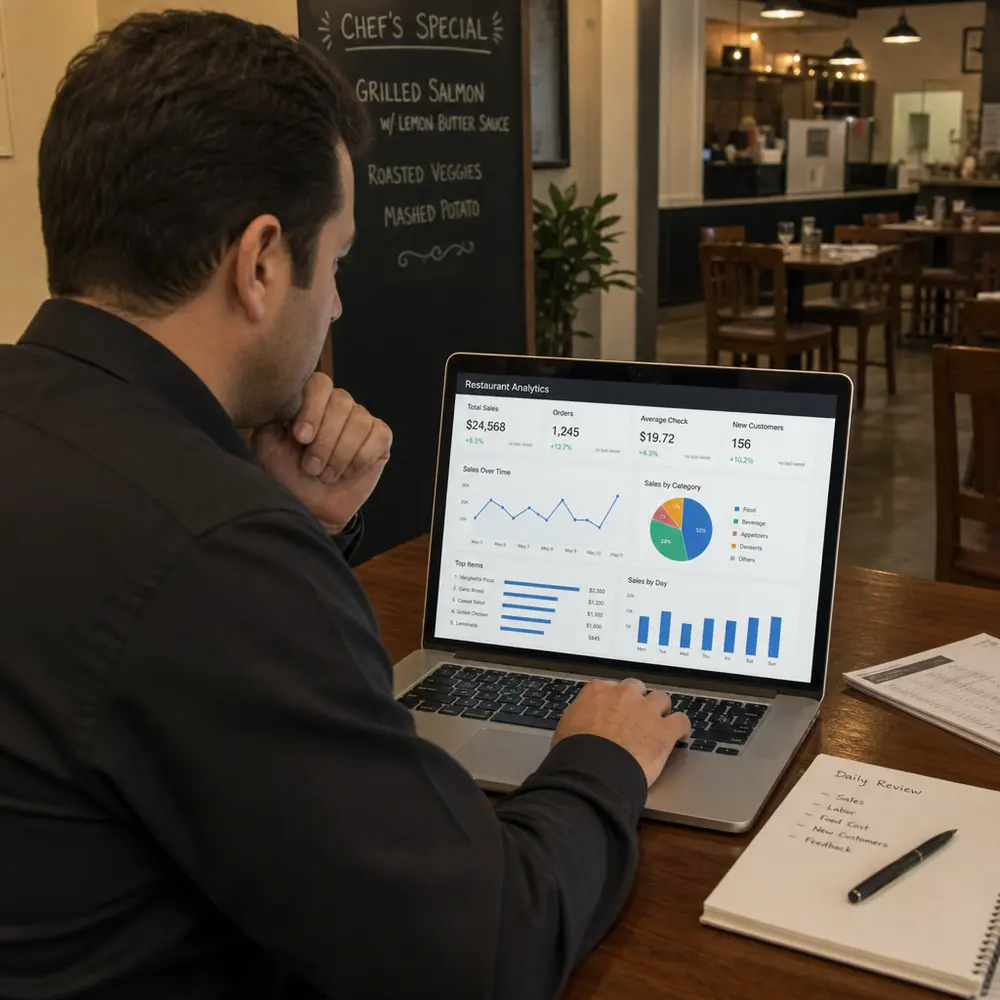
Why Analytics Software Matters for Restaurants
In the restaurant industry, data holds immense power. Analytics software for restaurants unlocks this potential, transforming raw data into actionable insights.
Restaurants face high competition. To succeed, they must optimize every aspect of their operations. Analytics helps in identifying areas for improvement and growth.
Tracking restaurant performance metrics is essential. These metrics provide a clear picture of what's working and what needs adjustment.
Effective restaurant management software offers a detailed understanding of inventory levels. This minimizes waste and ensures the right products are always available.
Customer preferences are key to personalizing experiences. Data analytics helps in understanding these preferences, leading to improved customer satisfaction and loyalty.
Employee performance can greatly impact a restaurant's success. Analytics tools provide insights into staff efficiency, helping in scheduling and training decisions.
Moreover, analytics contribute to cost reduction and revenue increase. By identifying inefficiencies and highlighting opportunities, restaurants can optimize their operations.
Benefits of analytics software:
- Enhanced decision-making with data-driven insights
- Improved inventory and supply chain management
- Increased customer satisfaction through personalized experiences
- Efficient staff management and training
- Cost reduction and revenue growth
Key Restaurant Performance Metrics to Track
Successful restaurant management relies heavily on tracking specific performance metrics. These metrics offer a complete view of operations, helping identify strengths and areas for improvement.
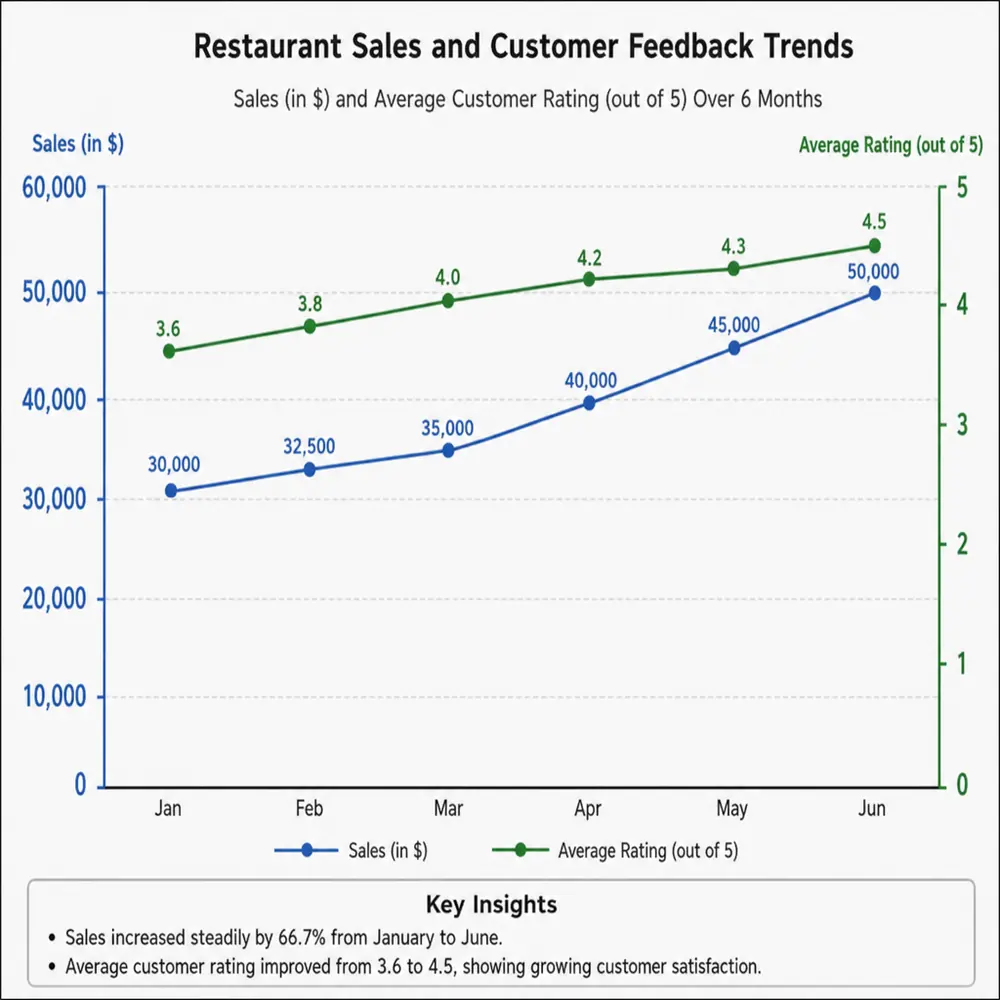
Sales data is a foundational metric. It reveals revenue trends and highlights peak hours. Analyzing this data informs pricing strategies and menu adjustments.
Customer feedback is another crucial metric. Reviews and surveys provide insights into customer satisfaction levels.
Employee performance metrics can't be ignored. Tracking staff efficiency aids in better scheduling and improves service quality.
Inventory turnover rates are vital for cost control. Monitoring these rates prevents overstocking and reduces waste.
Operational costs should be closely watched. Analyzing these costs helps identify overspending areas.
Marketing campaign effectiveness can significantly impact business growth. Metrics such as engagement rates and return on investment provide insights into campaign success.
Important metrics to monitor:
- Revenue and sales trends
- Customer feedback and satisfaction
- Employee performance
- Inventory turnover rates
- Operational costs
Core Features of Analytics Software for Restaurants
Choosing the right analytics software involves understanding core features that meet your restaurant's needs.
Real-time data reporting is essential. It provides instant access to sales and inventory trends. Immediate data availability aids in swift decision-making.
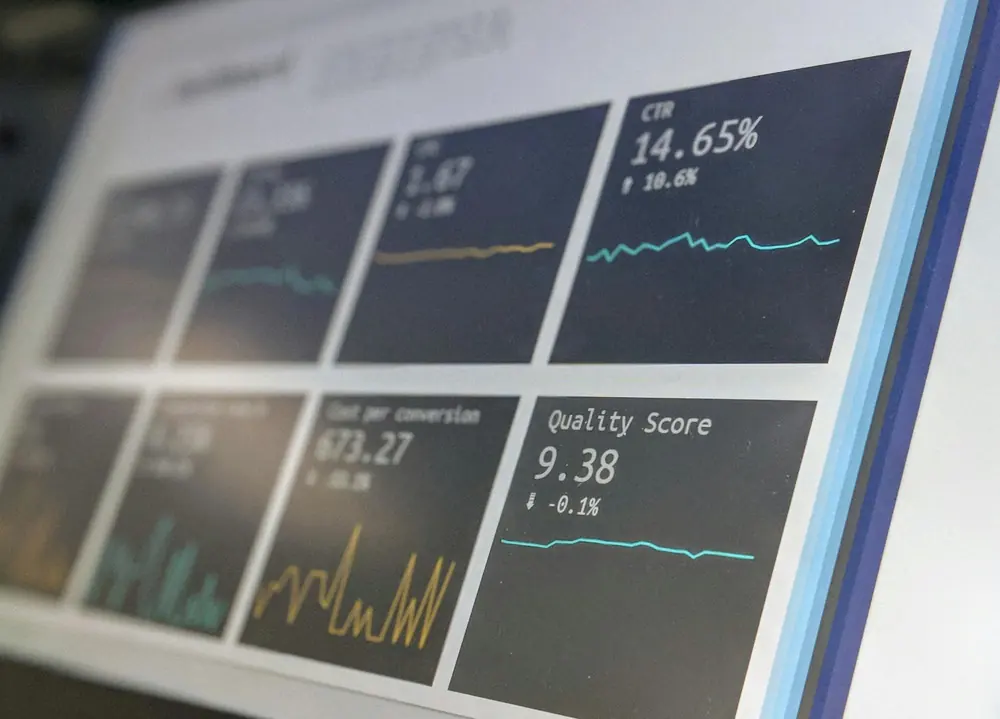
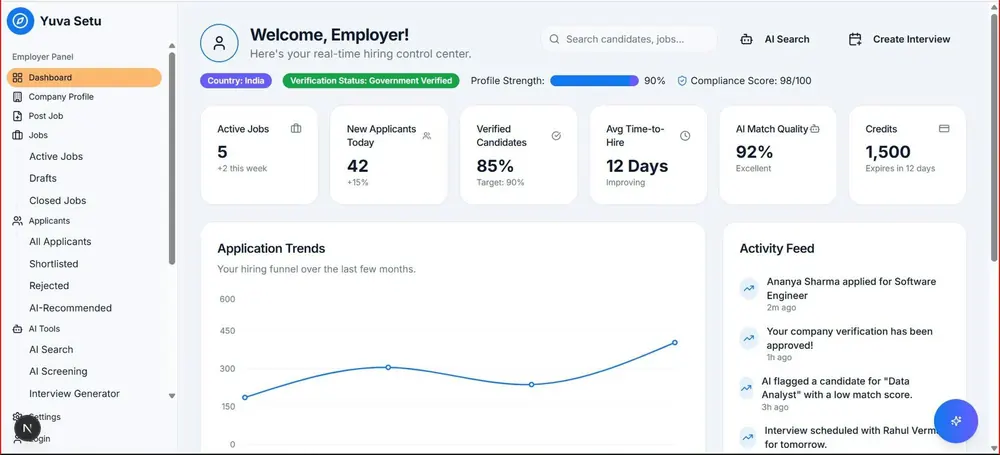
User-friendly dashboards simplify data interpretation. Visual representations make complex data easier to understand.
Integration capabilities ensure seamless data flow. Software should integrate smoothly with existing POS and inventory systems.
Inventory management is a significant feature. It ensures optimal stock levels, reducing waste and costs.
Customer behavior analysis can enhance personalized services. Understanding dining patterns leads to improved customer satisfaction.
Forecasting tools aid in anticipating busy periods. These tools help in planning resources and staffing.
Mobile accessibility allows managers to monitor operations remotely.
Key features to look for:
- Real-time data reporting
- User-friendly dashboards
- Integration with existing systems
- Inventory management
- Forecasting and mobile access
How Analytics Software Improves Restaurant Operations
Analytics software streamlines operations through efficient data handling. Real-time information enables quick actions to address issues promptly.
One significant area impacted is inventory management. With software, tracking stock becomes automated. This prevents overstocking and reduces waste.
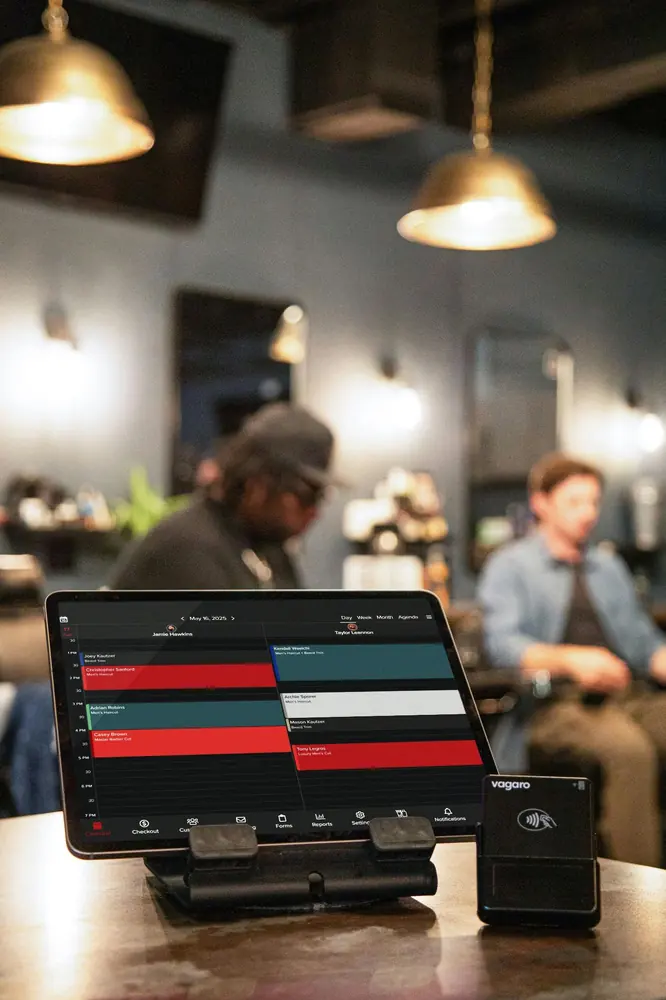
Analytics tools also enhance scheduling. By analyzing peak hours, restaurants can allocate resources better. This leads to improved staffing and reduced labor costs.
Customer insights offer another advantage. Analyzing dining trends helps in menu adjustments. Offering items that satisfy guest preferences boosts sales and satisfaction.
Operational efficiency is further improved through performance tracking. Monitoring employee activity aids in identifying training needs.
Data-driven decisions become a norm. Analytics provide clear metrics for operations. This clarity helps in setting realistic goals and improving strategies.
Finally, security and compliance are enhanced. Analytics software can help ensure health and safety standards.

Integrating Analytics with Restaurant Management Software
The integration of analytics with restaurant management software creates a seamless flow of information. This enhances the ability to capture and utilize data effectively.
A comprehensive restaurant management system combines point-of-sale (POS) functionalities with analytics. This blend ensures that all sales and customer data are recorded in real-time.
Moreover, integration facilitates better forecasting. By combining historical sales data with current trends, restaurants can predict busy periods.
Efficient data exchange between systems enables a holistic view of operations. Managers can effortlessly access key metrics from various departments.
Integration benefits:
- Seamless data flow across systems
- Real-time financial tracking
- Improved forecasting abilities
- Customizable dashboards
- Scalability as the restaurant grows
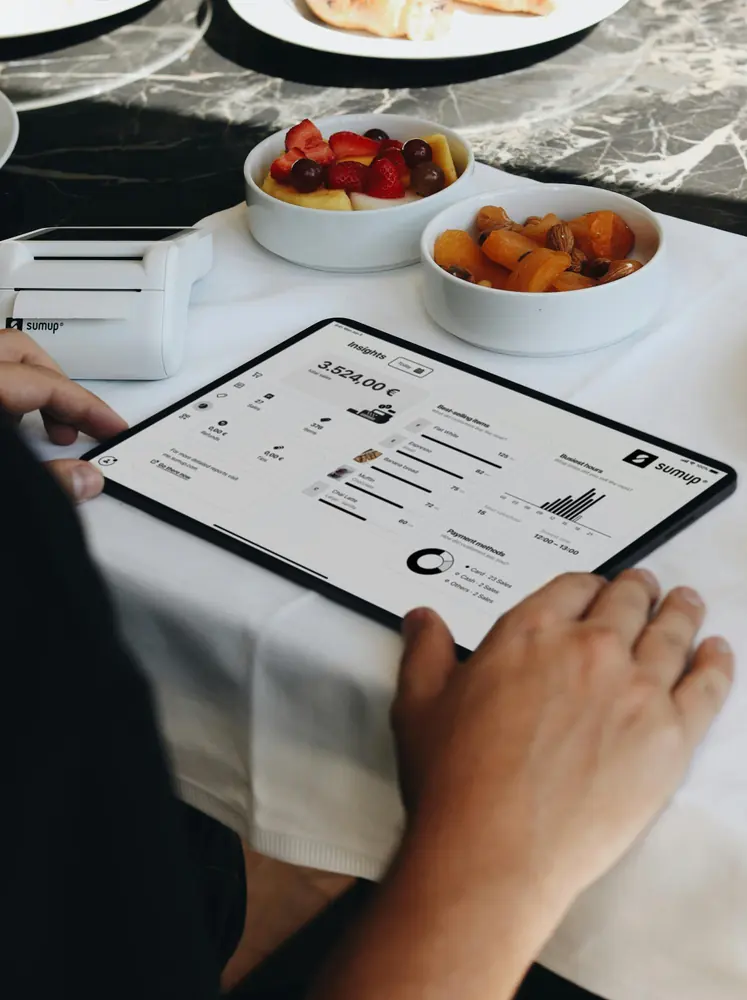
Comparing Top Analytics Software Solutions
Choosing the right analytics software is crucial for maximizing restaurant performance. Each solution offers unique features tailored to specific needs.
The first aspect to consider is functionality. Some analytics software prioritize detailed reporting, while others focus on user-friendly interfaces.
Next, consider integration capabilities. A solution that smoothly integrates with existing systems simplifies operations.
Pricing models also vary greatly. Some providers offer subscription-based models, while others have one-time fees.
Key features to compare:
- Real-time data reporting
- Integration capabilities
- Pricing structure
- Scalability options
- Customer support quality
- Ease of use
- Security and data protection
Furthermore, consider the scalability of the software. As your restaurant expands, the software should handle increased demands.
Customer support is another critical factor. Responsive support can make a significant difference during implementation.
Evaluate the ease of use. A complicated system can lead to frustrations among staff members.
Finally, consider security features. Protecting sensitive customer information is crucial.
Real-World Case Studies: Analytics in Action
Analytics software can transform restaurant operations. Real-world examples highlight its potential.
In one case, a small bistro embraced analytics software. They tracked customer preferences and adjusted their menu. This led to a 20% increase in sales within months.
Another example involves a mid-sized chain focused on staff efficiency. Using analytics, they monitored employee performance metrics. Service quality improved, and customer complaints decreased.
A large restaurant franchise implemented cloud-based analytics to manage inventory. The software helped reduce food waste significantly.
Another restaurant used analytics to monitor social media interactions. By responding proactively to feedback, they strengthened their online reputation.
Lastly, a fine dining restaurant leveraged data to personalize the dining experience. Customized promotions led to repeat business and referrals.
Key results from case studies:
- Increased sales through tailored menus
- Improved staff efficiency
- Enhanced service quality
- Reduced food waste
- Stronger online reputation
How to Choose the Right Analytics Software for Your Restaurant
Selecting the perfect analytics software involves several considerations. First, assess your restaurant's specific needs. Understand which performance metrics are most critical for your business.
Consider software with real-time data reporting capabilities. Timely insights allow quick decision-making.
Essential criteria for selection:
- Scalability: Can the software grow with your business?
- Integration: Does it seamlessly connect with your existing systems?
- User-friendliness: Choose an intuitive interface that requires minimal training.
- Customization: Look for tailored reporting features specific to your operations.
Secondary considerations:
- Cost: Understand both initial costs and ongoing fees.
- Support: Evaluate the vendor's customer service and training options.
- Security: Ensure robust data protection features.
Trying the software before committing is advisable. Many vendors offer trial periods or demos.
Lastly, research user feedback and expert reviews. Compare different options based on real-world testimonials.

Implementation Tips and Best Practices
Successfully implementing analytics software requires a structured approach. Begin by setting clear objectives.
Conduct a comprehensive analysis of your current systems. Understand their limitations and identify integration points.
Key implementation steps:
- Staff Training: Ensure employees understand how to use the software effectively.
- Pilot Testing: Start with a small-scale test to identify any issues.
- Feedback Loop: Collect and utilize staff input for continuous improvement.
Keep the lines of communication open. Engage your staff by explaining the benefits and how it impacts their roles.
Monitor the implementation process closely. Regularly review the data generated and compare it with your initial goals.
Finally, be flexible and ready to make adjustments. Iterative improvements based on actual usage will ensure the software meets your needs.

Common Challenges and How to Overcome Them
Implementing analytics software can present several challenges.
Data integration is the first common issue. To overcome this, work closely with your vendor to ensure compatibility and smooth data flow.
Staff resistance may occur when adopting new technologies. Address this by offering comprehensive, role-specific training.
Data overwhelm can paralyze decision-making. Prioritize focusing on key restaurant performance metrics to avoid overload.
Overcoming common challenges:
- Utilize vendor support for smooth data integration
- Provide engaging, role-specific training programs
- Focus on key metrics to avoid data deluge

The Future of Restaurant Analytics: Trends to Watch
The restaurant industry is on the brink of a technological revolution. Emerging trends are shaping how restaurants harness data.
One major trend is the rise of AI and machine learning. These technologies can predict customer preferences and optimize operations.
Mobile access is also gaining traction. Managers want data analytics at their fingertips.
Real-time analytics is another significant trend. Restaurants are looking for instant insights to address issues as they arise.
Key future trends:
- AI and machine learning for predictions and efficiency
- Mobile accessibility for on-the-go insights
- Real-time analytics for immediate decisions
- Sustainability tracking and IoT integration

These trends highlight the importance of staying informed. Businesses that embrace these advancements will lead the industry forward.
Conclusion: Making Data Work for Your Restaurant
In the dynamic world of restaurants, data is a vital asset. Harnessing the full potential of analytics software can transform restaurant operations.
Implementing the right analytics software helps track essential metrics and optimize efficiency. This not only improves service quality but also enhances customer satisfaction.
Investing in analytics software is a strategic move that can boost profitability. As the industry evolves, those who leverage data effectively will enjoy a competitive edge.
Operational analytics optimize how you run today. Location analytics help you expand wisely tomorrow. Run a free site analysis at Restaurant Site Finder and explore our guides on how analytics software boosts profits and maximizing efficiency with restaurant analytics.

Frequently Asked Questions
What is the best analytics software for restaurants?
Look for real-time reporting, POS integration, inventory tools, segmentation, forecasting, and scalable pricing, prefer purpose-built hospitality platforms.
What restaurant performance metrics should analytics track?
Revenue trends, customer satisfaction, employee performance, inventory turnover, operational costs, and marketing ROI.
Why does analytics software integration matter?
Unified POS and inventory data enables real-time tracking, accurate forecasting, and consolidated dashboards.
How do I choose analytics software for my restaurant?
Evaluate scalability, integration, usability, cost, support, security, and trial the product before buying.
Is Restaurant Site Finder free for location analytics?
Yes. Enter any US address at restaurantsitefinder.com.
Run a free location analysis
Enter any address to get competitor mapping, market gaps, opportunity scoring, and concept ideas.
Analyze your location free Shop equipment at Horeca Store