Site Selection
Select the Perfect Location for Your Restaurant
An expert site selection guide to choose the perfect restaurant location, concept fit, demographics, foot vs vehicle traffic, micro-location checks, zoning, cost comparison, lease tips, and a printable checklist.
Key Takeaways
- Select the perfect location for your restaurant with evidence, concept fit, trade area data, and lease math, not gut feel alone.
- Separate foot traffic vs vehicle traffic; busy streets only help if guests can stop and buy.
- Kill bad deals early on zoning, hood/grease, and break-even sales vs total occupancy cost.
- Screen addresses free at Restaurant Site Finder, then tour with a repeatable checklist.
Selecting a location is the most consequential decision you'll make before your first plate hits the pass. You can refine a menu, retrain staff, and rebrand your concept, but a weak address can quietly drain sales for years.
If you want to select the perfect location for your restaurant, you need a disciplined way to compare neighborhoods, storefronts, and lease terms using real data, not gut feel. This site selection guide walks you through practical site selection criteria, the most important restaurant location selection factors, and a step-by-step approach to restaurant site analysis so you can confidently choose the best location for a new restaurant, and avoid bad decisions that are hard to undo.
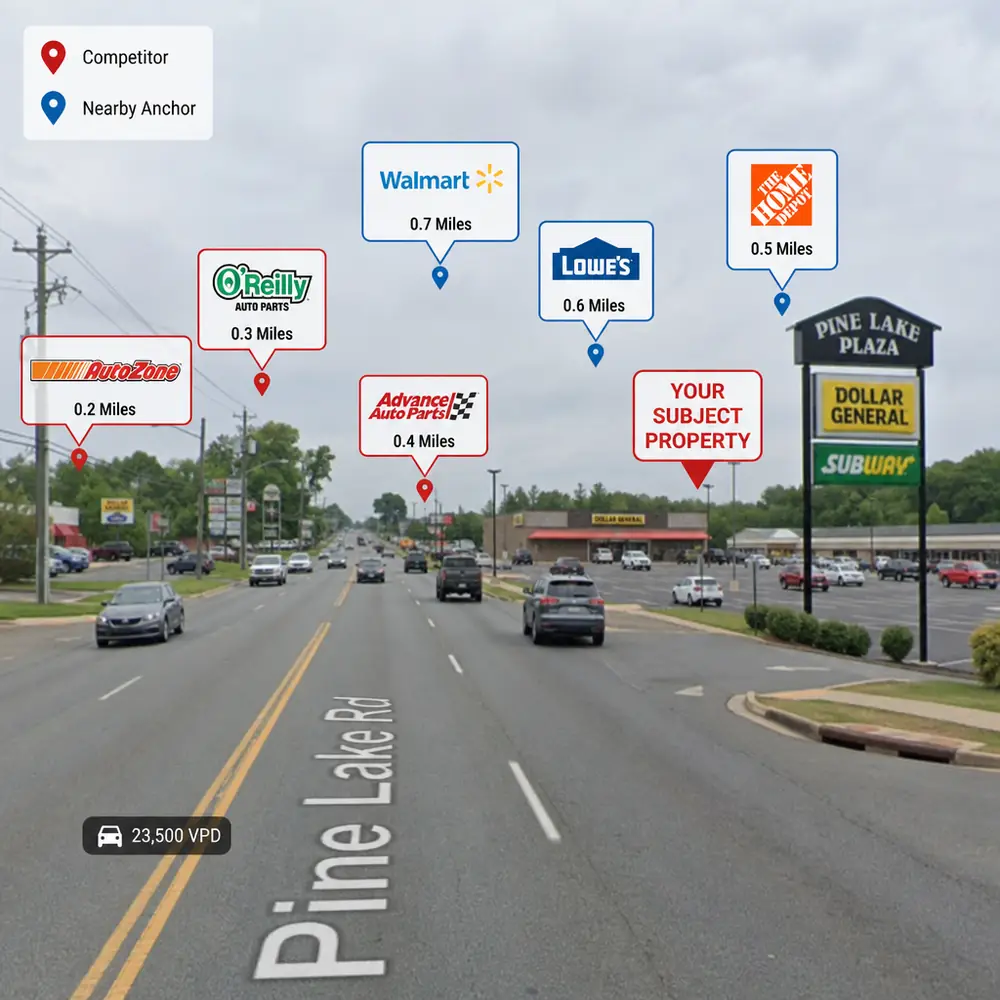
Start With Concept–Location Fit (Before You Tour Spaces)
The fastest way to waste time is touring spaces without defining what "good" means for your concept. Your first job is to translate the brand into restaurant location selection criteria, the non-negotiables you'll use to eliminate poor matches.
Define Your Ideal Guest and Occasion
A café targeting weekday workers needs different restaurant location factors than a late-night ramen bar. Clarify:
- Primary dayparts (breakfast/lunch/dinner/late-night)
- Ticket size and table-turn assumptions
- Dine-in vs takeout vs delivery mix
- Alcohol importance (and licensing feasibility)
This concept clarity becomes your restaurant site selection checklist foundation and sharpens choosing restaurant location decisions.
Draft Your "Must-Haves" and "Deal-Breakers"
Examples of strong site selection criteria:
- Visibility from the main pedestrian path
- Minimum kitchen size and hood capability
- Outdoor seating potential
- Delivery driver access and pickup flow
- Parking/validation options within a set distance
This is the simplest way to frame what makes a good restaurant location for your operation.
Do Restaurant Demographic Research and Trade Area Analysis
Great operators often underestimate how much a few blocks can change outcomes. Your goal is to prove that enough of your ideal customers live, work, or visit within reach.
Map Your Trade Area Like a Pro
A strong trade area analysis for restaurants typically includes:
- A primary zone (closest, highest likelihood)
- A secondary zone (still accessible, lower frequency)
- A "destination" draw assumption (only if your concept earns it)
The distance isn't universal; it depends on density, drive times, transit, and how often people repeat the purchase.
What to Measure in Restaurant Demographic Research
Your restaurant demographic research should validate demand, not just describe the neighborhood. Focus on:
- Population density and household size
- Income ranges aligned with your pricing
- Daytime population (workers, students, hospital staff)
- Age mix and lifestyle fit (families vs singles vs retirees)
- Growth signals (new housing, office openings, campus expansion)
Pair demographics with behavior: are people eating out here, or just commuting through?
Use Retail Location Analytics Tools (Even on a Budget)
You don't need enterprise software to start. Many retail location analytics tools can provide footfall estimates, mobility patterns, competitive density, and trade area overlap.
Use these tools to strengthen your restaurant location analysis and reduce guesswork. Start with free AI screening at Restaurant Site Finder.
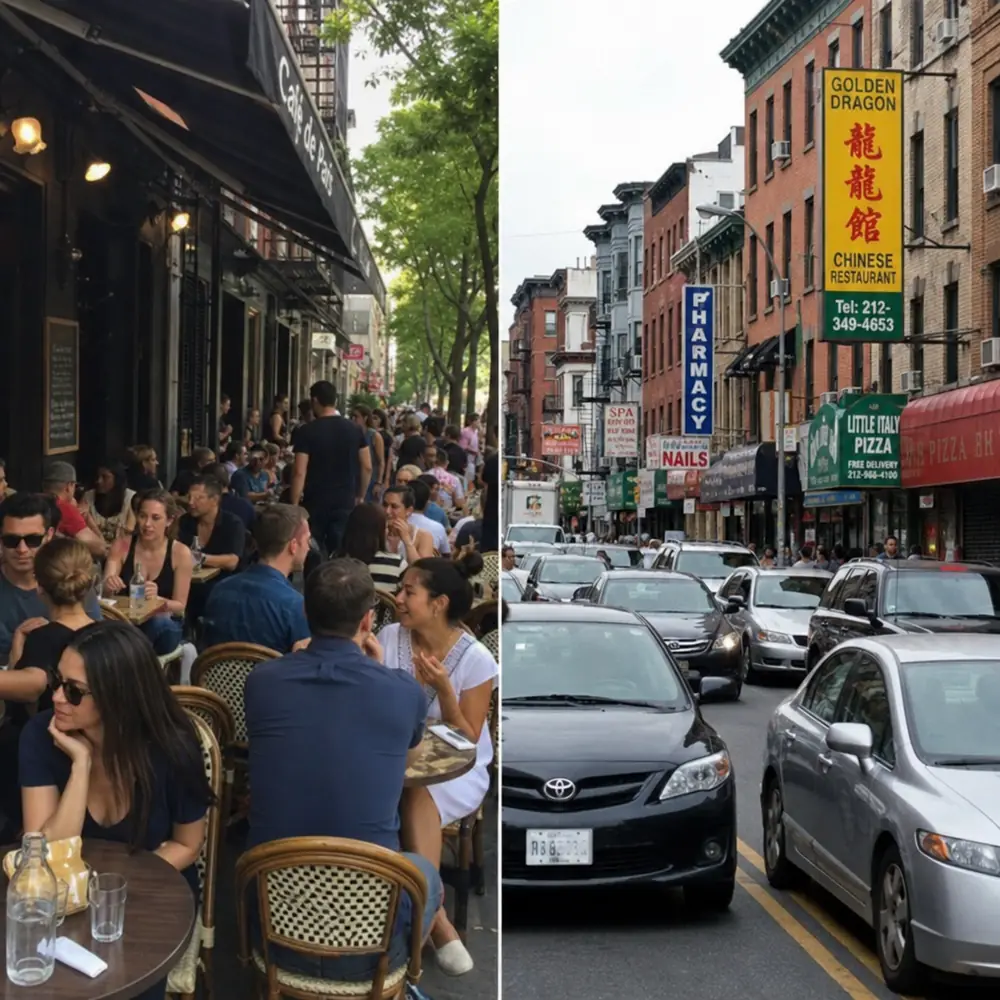
Foot Traffic vs Vehicle Traffic: Choose the Right Kind of Busy
"High traffic" can mean two very different things. A location can be surrounded by people who never stop, or drivers who can't safely turn in.
When foot traffic wins
Foot traffic is ideal when:
- Your concept supports impulse visits (coffee, slices, desserts)
- You have strong window appeal and fast service
- Nearby anchors feed repeat behavior (transit hubs, offices, gyms)
Foot traffic also boosts brand discovery, which matters if you're building awareness.
When vehicle traffic wins
Vehicle traffic can be a better match when:
- Customers plan the visit (BBQ, family dining, specialty cuisine)
- You rely on weekend and evening trips
- You offer easy parking, curbside, or drive-up convenience
The key is not picking a "busy" street, it's selecting the traffic type that matches your conversion path. This foot traffic vs vehicle traffic distinction should be explicit in your restaurant location selection factors.
Competitive and Complementary Neighbors: Do a Real Restaurant Site Analysis
A common mistake is either fearing competitors too much or ignoring them entirely. Your restaurant site analysis should identify both threats and tailwinds.
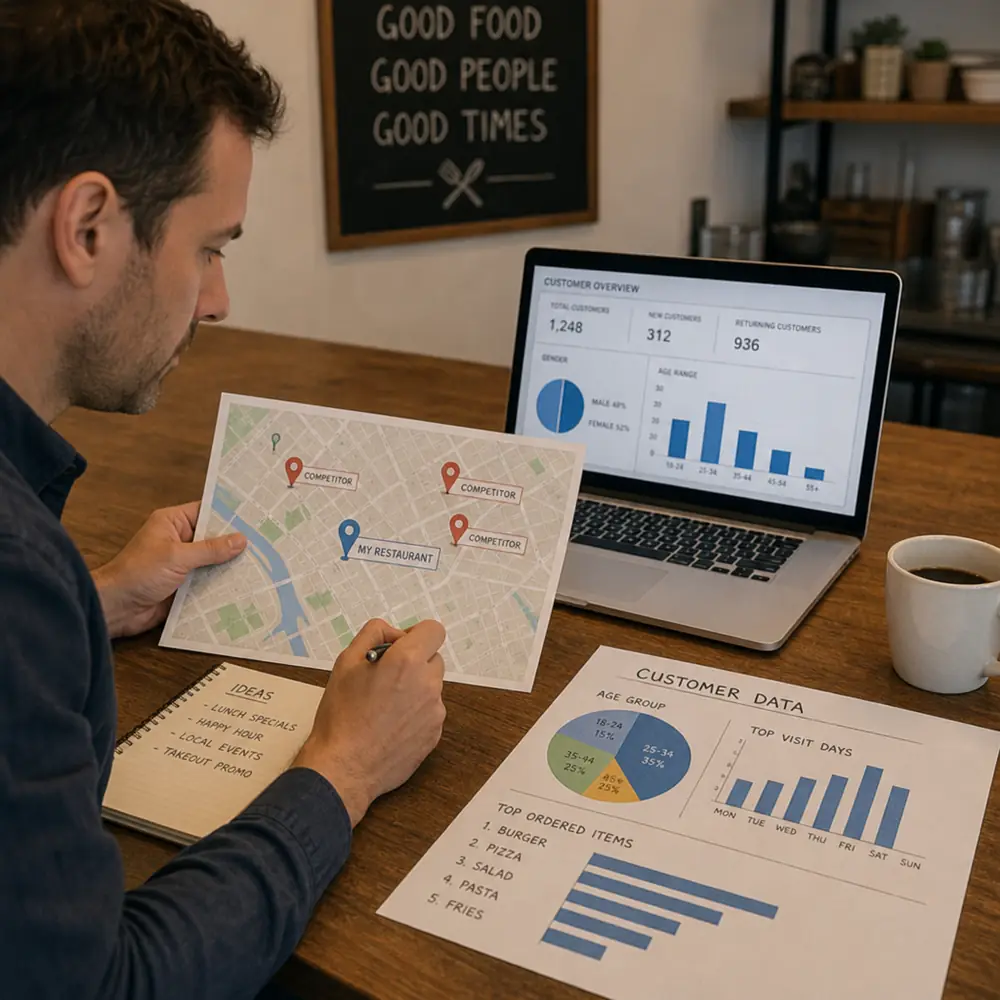
Build a Competitor Map and Visit in Person
For each serious candidate location, track:
- Direct competitors (same cuisine + similar price)
- Indirect competitors (same occasion: quick lunch, date night)
- Substitutes (grocers with hot bars, food halls)
Then go on-site:
- Count occupied tables at peak times
- Note average party size and service style
- Check online reviews for recurring pain points you can exploit
Look for Complementary Adjacency
Some of the best restaurant location factors are next door:
- Cinemas, theaters, venues (pre/post show demand)
- Fitness studios (healthy quick meals)
- Boutiques and salons (weekend browsing)
- Hotels (tourists + business travelers)
The goal is a neighborhood that "hands off" customers to you.
Evaluate the Micro-Location: The Block Beats the Neighborhood
Two spaces in the same district can perform wildly differently. This is where most restaurant location pros and cons live.
Visibility, Signage, and Approach
Ask:
- Can people see you with enough time to decide?
- Is the signage area usable and compliant?
- Is the entrance obvious and inviting?
- Are there obstructions (trees, poles, parked cars, construction)?
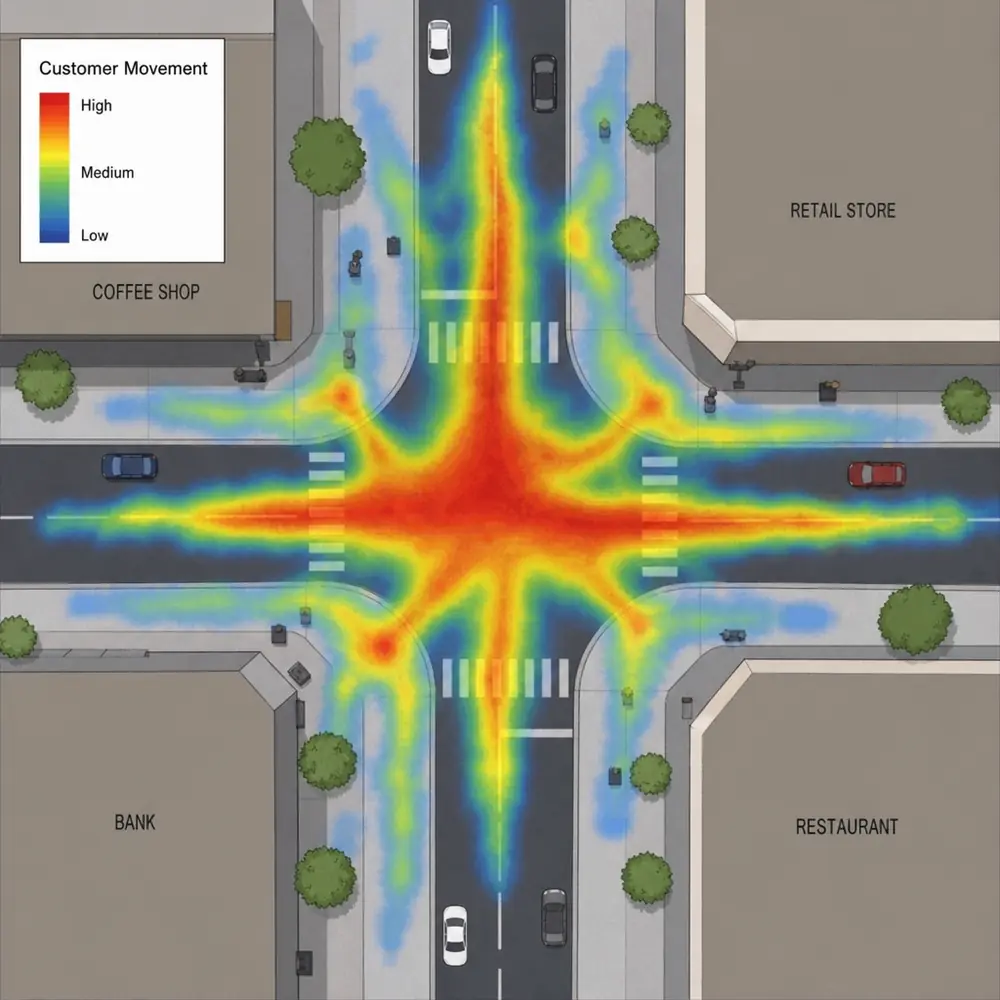
Access and Friction Points
Your how to choose restaurant location process should include "friction auditing":
- Can a car turn in safely during rush hour?
- Is there a safe drop-off zone?
- Are sidewalks wide enough for lines/outdoor seating?
- Is there a curb cut for deliveries?
Restaurant Parking Requirements (and the Reality on the Ground)
Even in walkable areas, parking can make or break dinner sales. Validate:
- On-site spaces and shared lots
- Meter rules and time limits
- Evening/weekend availability
- Paid garages within a comfortable walk
If the area "technically has parking" but it's stressful, customers will choose an easier option.
Zoning, Permits, and Building Constraints: Kill Deals Early
Nothing derails timelines like discovering a space can't legally or physically support your operation. Include restaurant zoning and permits in your early filtering.
Confirm Zoning and Use Permissions
Before you fall in love with the space, confirm:
- Restaurant use is allowed (and whether it's by right or conditional)
- Patio rules, music limits, and operating hours
- Alcohol licensing feasibility (and any proximity restrictions)
Validate Utilities and Kitchen Feasibility
Many "great-looking" spaces hide expensive upgrades:
- Ventilation/hood possibility and route
- Grease trap capacity
- Gas/electric availability
- ADA compliance needs
- Restroom count and placement
These are critical restaurant location selection criteria because they can swing your buildout budget dramatically.
Compare Costs Like an Investor (Not a Dreamer)
Rent is only one line item. A smart restaurant location cost comparison accounts for total occupancy costs and the revenue required to support them.
Calculate True Occupancy Cost
Include:
- Base rent
- Common area maintenance (CAM)
- Property taxes/insurance (NNN where applicable)
- Utilities expectations (older buildings can spike costs)
- Trash, grease, pest, and security costs
- Required tenant improvements (who pays?)
Then translate that into break-even sales. If the sales target is unrealistic for the trade area, it's not the best location for a new restaurant, no matter how trendy the street looks.
Don't Ignore the "Hidden Rent" of Operations
A cheaper space can cost more through:
- Slow service due to awkward layout
- Delivery bottlenecks and driver conflicts
- Limited storage that forces frequent replenishment
- Poor HVAC that affects guest comfort
This is why restaurant location analysis must blend finance with operational flow.
Restaurant Lease Negotiation Tips That Protect Your Upside
Your lease can either reduce risk, or lock you into a bad outcome. Use these restaurant lease negotiation tips to align the deal with the realities of launching a restaurant.
Prioritize Protections Over "Winning" on Base Rent
Key items to negotiate:
- Tenant improvement allowance or landlord-delivered critical infrastructure
- Rent abatement during buildout and permitting
- Permitting contingency (exit if permits/licenses fail)
- Exclusive use (limit direct competitors in the same center)
- Clear signage rights and patio language
- Renewal options that preserve long-term value
Match Lease Length to Payback Period
If your buildout is heavy, you need enough term (and renewal options) to recover the investment. If the concept is experimental, avoid being trapped. These are core restaurant location selection factors because they shape your financial runway.
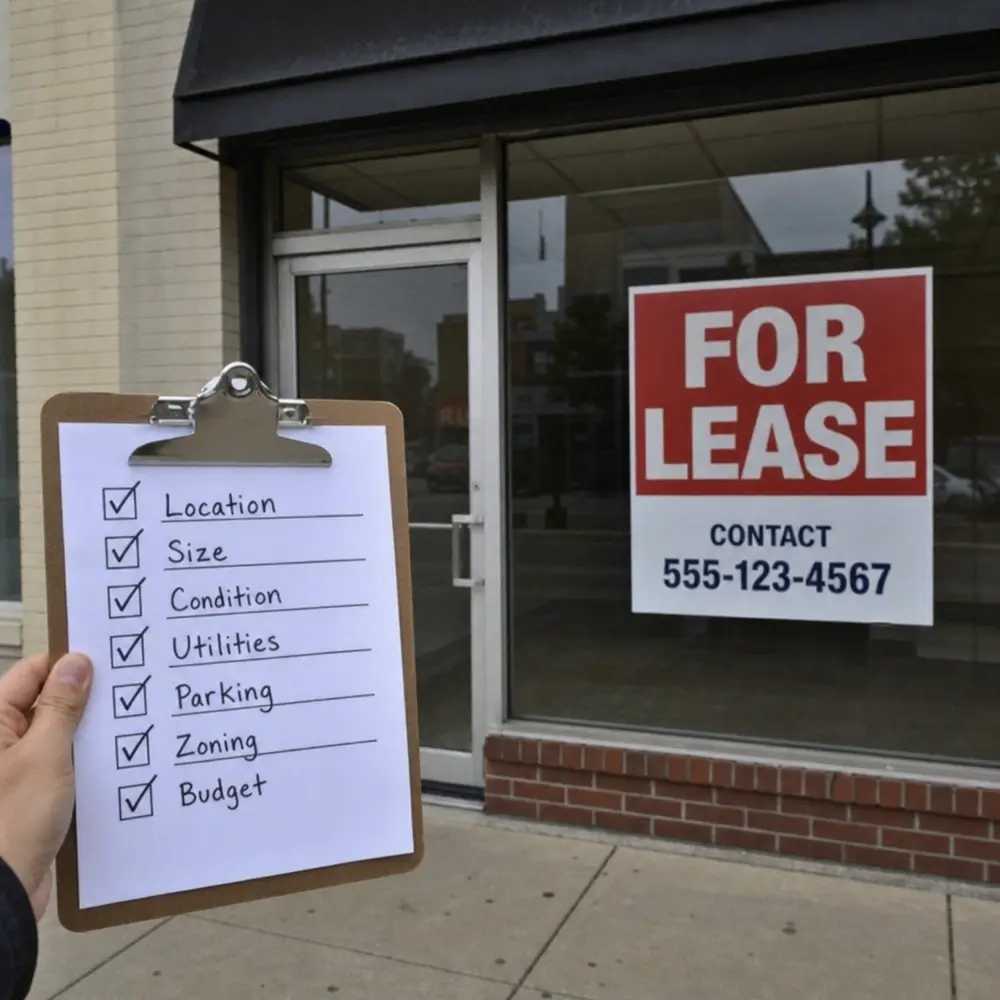
A Practical Restaurant Site Selection Checklist (Use This on Every Tour)
Use this restaurant site selection checklist to standardize evaluations and make faster, clearer decisions:
Demand & audience
- Trade area fits concept; strong restaurant demographic research
- Daypart demand exists (not just "cool neighborhood" vibes)
- Anchors drive repeat traffic
Traffic & access
- Correct foot traffic vs vehicle traffic mix
- Easy entry/exit; safe crossings; delivery flow
- Parking aligns with restaurant parking requirements
Competition & adjacency
- Competitors validate demand without saturating it
- Complementary neighbors increase cross-traffic
- Clear differentiator vs nearby options
Space & buildout
- Kitchen infrastructure feasible (hood, grease, utilities)
- Layout supports throughput and service style
- Storage, trash, and receiving are workable
Legal & timeline
- Zoning supports restaurant use; permitting risks understood
- Licensing path is clear (especially alcohol)
- Landlord cooperation is realistic
Economics
- Solid restaurant location cost comparison vs alternatives
- Break-even sales target is realistic
- Lease terms include protections
This list doubles as your working site selection criteria and keeps your restaurant location selection process consistent.
How to Avoid Bad Restaurant Location Decisions
To avoid bad restaurant location outcomes, watch for these red flags:
- "It's cheap" is the main selling point (usually signals low demand or high friction)
- Great demographics but poor access (no stopping power)
- Heavy reliance on one nearby employer/anchor with uncertain future
- Chronic vacancy on the block (pattern matters)
- Permitting complexity the landlord downplays
- A space that forces a menu change you don't want (concept drift)
When you see multiple red flags, the smartest move is often walking away, before sunk costs make the decision for you.
Conclusion: Choose the Location That Makes Success Easier
To select the perfect location for your restaurant, treat it like an evidence-based decision. Define your concept fit, run rigorous restaurant location analysis, validate demand with restaurant demographic research, and compare spaces using consistent restaurant location selection criteria.
Balance the restaurant location pros and cons, use a repeatable restaurant site analysis process, and negotiate a lease that protects your timeline and capital. Pair this guide with restaurant location strategy: how to choose the most profitable spot and how to find the right location for your restaurant.
If you do it right, the location becomes a silent partner, delivering customers, simplifying operations, and giving your brand the best possible start.
Frequently Asked Questions
How do I select the perfect location for my restaurant?
Define concept fit, validate trade area demographics and traffic type, audit competition and micro-location friction, confirm zoning, and stress-test occupancy cost before signing.
What are the most important restaurant location selection criteria?
Demand fit, traffic type, visibility, kitchen feasibility, realistic break-even sales, and clear permitting paths.
Is foot traffic or vehicle traffic more important?
Match traffic to your concept, impulse grab-and-go vs planned dine-in visits with parking.
What should be on a restaurant site selection checklist?
Demand, traffic, parking, competition, buildout, legal compliance, economics, and lease protections.
Is Restaurant Site Finder free for site selection research?
Yes. Enter any US address at restaurantsitefinder.com for competitor and opportunity analysis.
Run a free location analysis
Enter any address to get competitor mapping, market gaps, opportunity scoring, and concept ideas.
Analyze your location free Shop equipment at Horeca Store