Operations
Top Restaurant Data Analytics Tools Reviewed
An in-depth review of top restaurant data analytics tools including Tenzo, Oracle MICROS Simphony, Eat App, ClicData, GoodData, Quadratic, and more, with features, comparisons, and selection tips.
Key Takeaways
- This review covers top restaurant data analytics tools including Tenzo, Oracle MICROS Simphony, Eat App, ClicData, GoodData, and Quadratic.
- Prioritize POS integration, real-time dashboards, predictive analytics, and scalability when comparing vendors.
- Operational analytics optimize the kitchen; location analytics optimize where you open next, use both.
- Run free location analysis at Restaurant Site Finder.
In today's fast-paced restaurant industry, data is king. Restaurant data analytics software is transforming how eateries operate. These tools provide insights into key performance metrics, helping businesses thrive.
Understanding customer preferences is crucial. Analytics software helps restaurants tailor their offerings to meet customer demands. This leads to increased satisfaction and loyalty.
Effective data analytics can boost decision-making. It helps in cost savings and enhances profitability. By analyzing sales and inventory, restaurants can optimize operations.
Many solutions integrate with POS systems. This provides real-time data analysis, crucial for quick decision-making. Predictive analytics can forecast demand, optimizing staffing and inventory.
Customizable dashboards make data visualization easy. They help identify trends and peak hours. This optimizes table turnover rates and improves service.
Advanced tools segment customer data for targeted marketing. This enhances engagement and drives revenue. Analytics software is a game-changer for restaurant management.
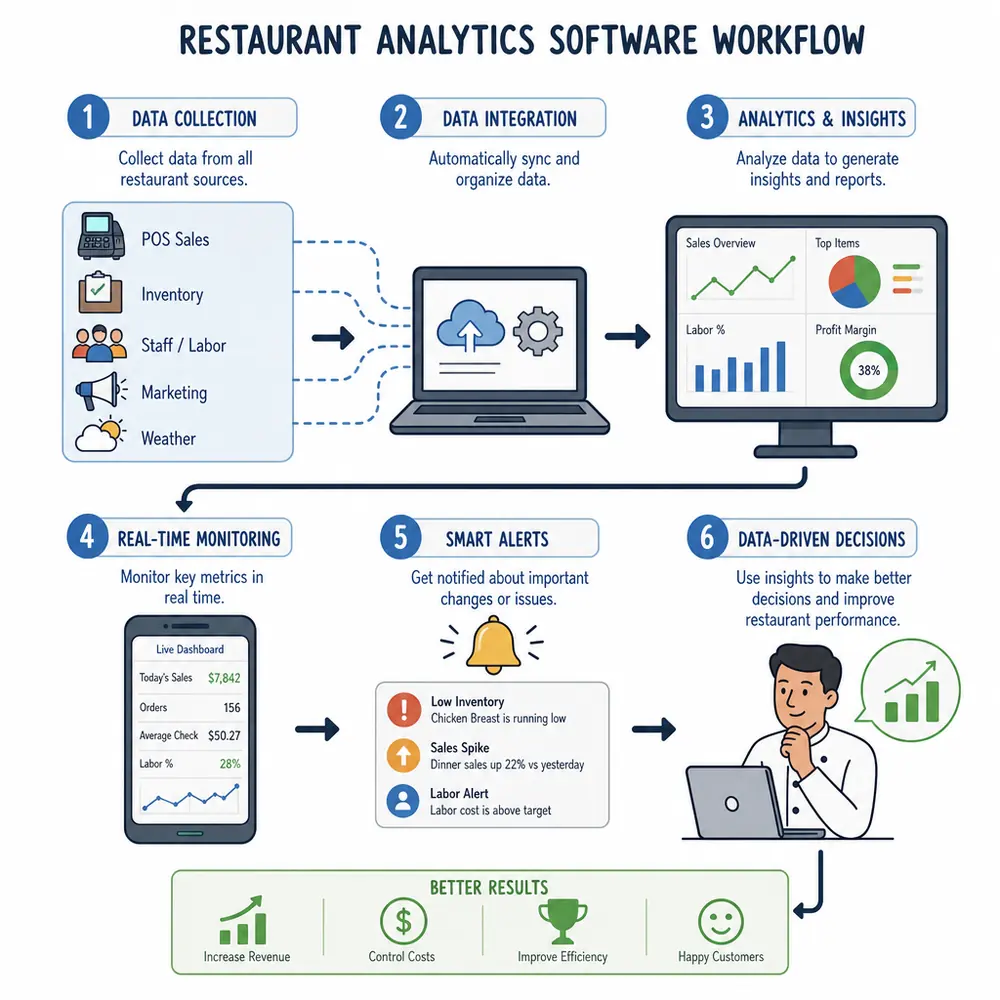
What Is Restaurant Data Analytics Software?
Restaurant data analytics software is a technology that revolutionizes how restaurants manage their data. This software collects and analyzes vast amounts of information. It provides actionable insights to improve operations and customer experiences.
At its core, this software tracks various restaurant performance metrics. Sales, customer preferences, and inventory levels are among the key metrics analyzed.
Core capabilities include:
- Real-time sales and inventory tracking
- Customer behavior and preference insights
- Predictive analysis for demand forecasting
- Customizable dashboards for data visualization
With these tools, restaurant managers can unlock potential and elevate their business strategies.
Why Data Analytics Matters for Restaurants
Data analytics is crucial for modern restaurants aiming to stay competitive. By analyzing data, restaurants can make informed decisions that boost efficiency.
Understanding customer preferences is vital for tailoring marketing and menu offerings. Restaurant data analytics software can reveal trending preferences.
Tracking restaurant performance metrics such as sales and table turnover rates can lead to operational improvements. Analytics can identify peak hours, which helps optimize staffing and seating arrangements.
Moreover, predictive analytics can improve inventory management. By forecasting demand, restaurants can reduce waste and maintain adequate stock levels.
Reasons why data analytics matters:
- Enhances operational efficiency
- Improves customer experience
- Optimizes inventory and staffing
- Drives targeted marketing efforts
Key Restaurant Performance Metrics to Track
To maintain a competitive edge, restaurants must monitor key performance metrics.
Sales data is a fundamental metric. By analyzing daily sales, restaurants can identify peak selling times and popular items.
Table turnover rate reflects the efficiency of seating guests. A high turnover rate suggests good service flow.
Inventory levels are critical. Monitoring these helps prevent overstocking or stockouts.
Employee performance metrics are equally important. Tracking labor costs and productivity ensures staff are utilized optimally.
Customer feedback and sentiment analysis provide insights into guest satisfaction.
Important performance metrics to track:
- Daily sales figures
- Table turnover rates
- Inventory levels
- Employee performance and labor costs
- Customer feedback
How Restaurant Data Analytics Software Works
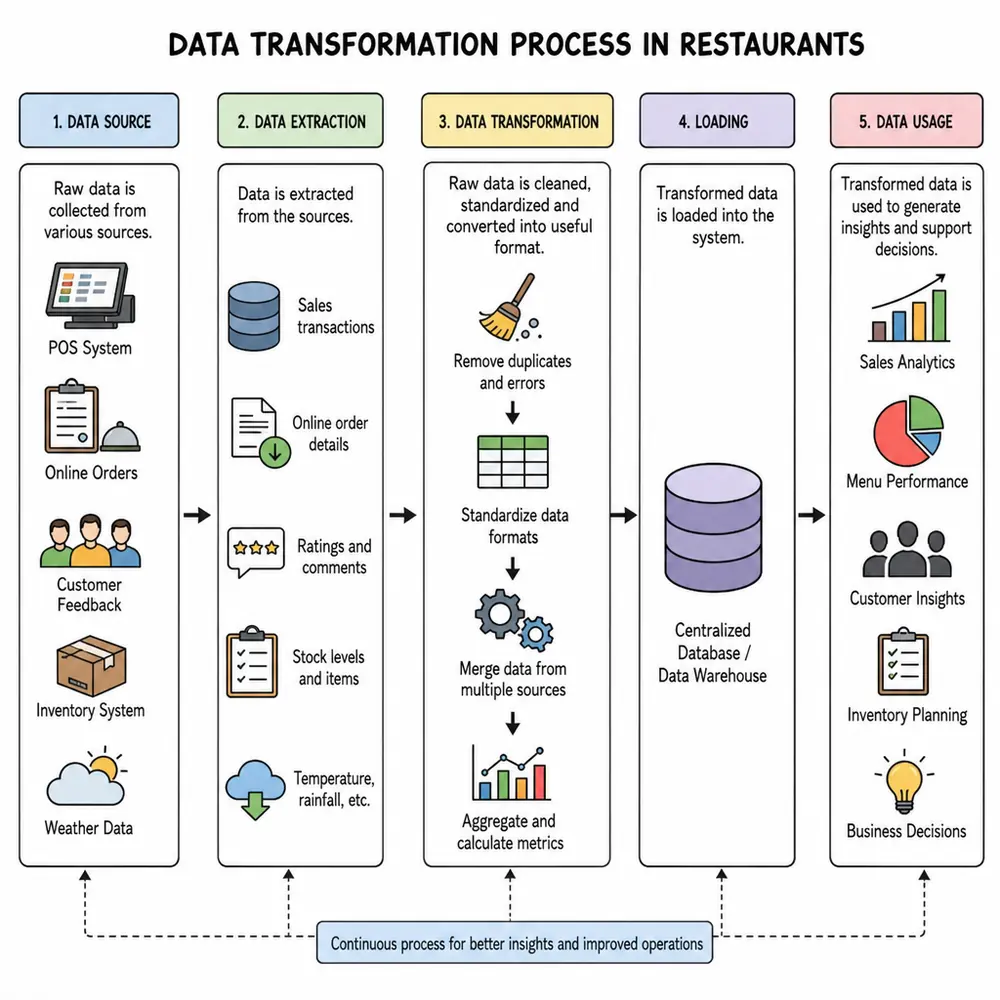
Restaurant data analytics software gathers and processes data from numerous sources.
Firstly, these tools integrate with point-of-sale (POS) systems. This integration allows seamless data collection on transactions and customer preferences.
The software typically uses cloud technology for real-time updates. Cloud integration ensures that data is accessible from anywhere.
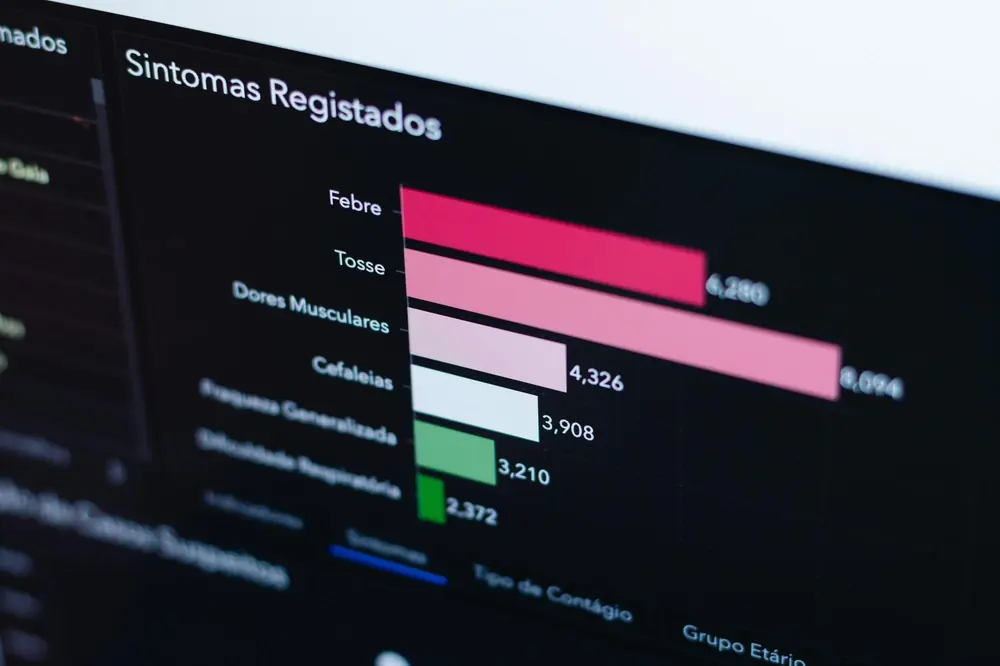
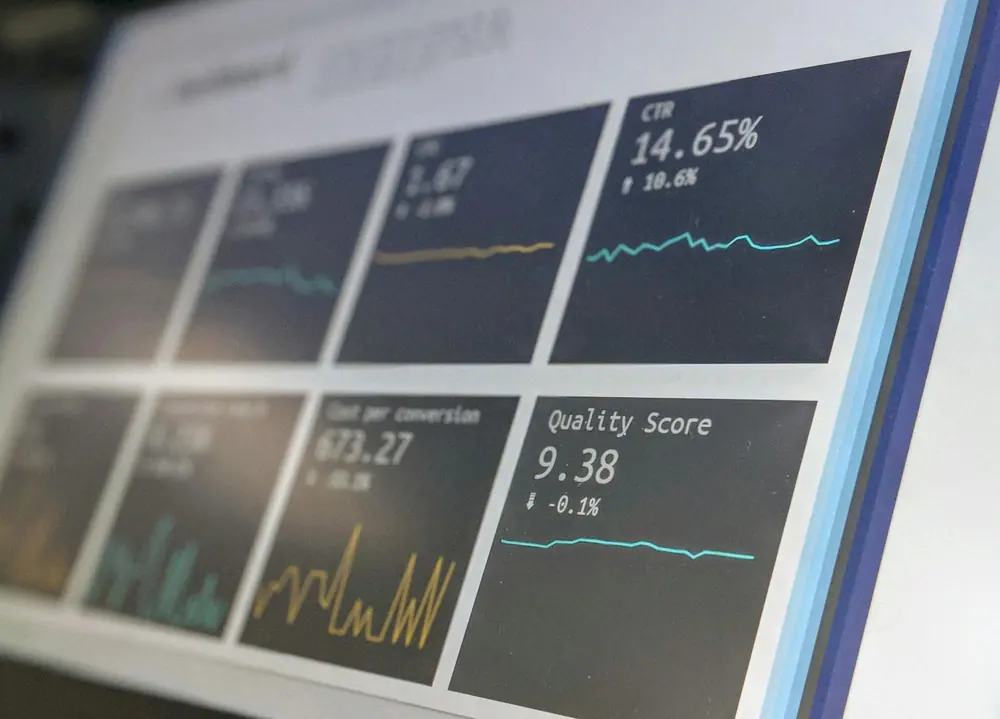
Most analytics tools include customizable dashboards. These dashboards display key performance metrics in an easy-to-understand format.
Such software also supports predictive analytics. By analyzing historical patterns, it forecasts future demand and trends.
Main functionalities:
- Data integration with POS and other systems
- Real-time cloud access
- Customizable dashboards
- Predictive analytics for future insights
Essential Features to Look for in Restaurant Analytics Tools
Selecting the right restaurant data analytics software is vital. It should align with your specific needs and operational goals.
Integration is key. Your analytics tool must integrate seamlessly with existing POS, inventory, and accounting software.
Real-time data processing allows quick responses to operational issues.
Customizable reporting provides insights specific to your business.
Scalability ensures the software remains useful as you grow.
Essential features:
- Seamless system integration
- Real-time data processing
- Customizable reporting
- Scalability for future growth
Top Restaurant Data Analytics Software Solutions
The restaurant industry offers advanced data analytics tools that provide insights to enhance efficiency and profitability. Below are leading solutions tailored for diverse restaurant needs.
1. Tenzo
Tenzo is a powerful data analytics tool designed for restaurants. It integrates with multiple POS systems for unified data aggregation. Tenzo excels in predicting sales trends through AI-powered forecasts and offers real-time insights on performance metrics.
Features of Tenzo include:
- AI-driven sales forecasting
- Multi-platform integration
- Real-time performance tracking
- Customizable dashboards
2. Oracle MICROS Simphony
Oracle MICROS Simphony is a comprehensive restaurant management platform with robust analytics. It offers detailed insights into sales, inventory, and customer preferences and supports scalability for small eateries and large chains.
Notable features include:
- Seamless integration capabilities
- Real-time data analytics
- Scalability for growth
- Customizable reports
3. Eat App
Eat App is a reservation and management platform that transforms data into actionable insights. It tracks reservation trends and customer behavior and optimizes table management to minimize wait times.
Key features include:
- Reservation trend analysis
- Seamless system integration
- Table management optimization
- Custom report generation
4. ClicData
ClicData is a versatile business intelligence tool for restaurants. It integrates with POS and ERP systems and offers visualization options with customizable dashboards for sales, inventory, and demographics.
Main features include:
- Seamless ERP and POS integration
- Visual data analytics
- Customizable dashboards
- Data centralization
5. GoodData
GoodData offers a powerful analytics platform tailored for the food industry. It combines data from various sources and excels in tailored reports with cloud-based, scalable management.
Key features include:
- Data consolidation from multiple sources
- Tailored report generation
- Cloud-based management
- Scalability for growth
6. Quadratic
Quadratic specializes in advanced analytics for complex restaurant data challenges. It provides predictive analytics for inventory and staffing optimization with user-friendly dashboards.
Features include:
- Advanced predictive analytics
- Seamless system integration
- User-friendly dashboards
- Inventory and staffing optimization
7. Additional Noteworthy Tools
Beyond the major players, several tools offer great functionality:
- Square for Restaurants: Great for small and mid-size eateries
- TouchBistro: Focuses on POS and analytics integration
- Upserve: Specialized in comprehensive business analytics
These tools provide competitive advantages through data-driven insights.
Comparing the Best Restaurant Analytics Tools
When choosing restaurant data analytics software, compare features and benefits across vendors.
Many tools offer seamless integration for real-time data access from POS systems. Customization options vary, some excel in predictive analytics, while others provide advanced visualization.
Quick comparison:
| Strength | Leading tools |
|---|---|
| Integration | Tenzo, Oracle MICROS Simphony, ClicData |
| Customization | GoodData, Quadratic, Eat App |
| Scalability | Oracle MICROS Simphony, GoodData, Quadratic |
Integrations: Making the Most of Your Restaurant Management Software
Integration capabilities enhance restaurant data analytics software. Effective integrations streamline operations and minimize manual data input.
Seamless connections with POS systems provide real-time sales data and inventory monitoring. Integration with HR systems supports workforce analytics for scheduling and labor cost control.
Key integrations to consider:
- POS systems for real-time sales analysis
- HR software for workforce management
- Inventory systems for stock monitoring
By leveraging these integrations, restaurants can harness the full potential of their analytics tools.

Real-World Use Cases and Success Stories
Successful restaurants use data analytics to drive results.
One restaurant chain reduced food waste significantly by analyzing inventory data and optimizing ordering.
A fast-casual eatery improved customer satisfaction by tracking peak dining times and adjusting staffing.
A fine dining restaurant leveraged customer data for targeted marketing campaigns, increasing reservations.
Key takeaways include:
- Reduced costs through waste reduction
- Enhanced customer service during high-demand periods
- Increased revenue from targeted marketing
- Menu optimization based on popular dish analytics

How to Choose the Right Restaurant Data Analytics Software
Selecting the right software is crucial. Start by identifying the specific areas you wish to improve with analytics.
Evaluate your current systems. Compatibility with existing tools makes integration smoother.
Focus on features that add the most value:
- Customizable dashboards
- Real-time data analysis
- Predictive analytics capabilities
Cost is another significant factor. Weigh benefits against price and seek feedback from other restaurateurs.

Implementation Tips and Best Practices
Successful implementation begins with thorough planning. Define clear objectives and involve your team from the start.
Training is critical. Offer comprehensive training sessions to familiarize staff with new systems.
Regular assessments ensure continued success. Evaluate analytics performance against your initial goals.
Key practices include:
- Setting clear objectives
- Encouraging team involvement
- Providing ongoing training sessions
- Maintaining feedback loops for continuous improvement

Common Challenges and How to Overcome Them
Adopting restaurant data analytics software often presents challenges.
Data integration with existing systems can be complex, work closely with vendors for compatibility.
Data accuracy issues skew results, maintain consistent training and data entry standards.
Resistance to change may hinder adoption, communicate benefits clearly to staff.
To address these challenges:
- Ensure system compatibility
- Maintain data accuracy
- Facilitate open communication with staff

The Future of Restaurant Data Analytics
The future of restaurant data analytics is promising and dynamic. Enhanced AI tools will provide deeper, predictive analytics.
Expect greater integration capabilities across POS, inventory, labor, and marketing systems for comprehensive real-time insights.
Key future trends include:
- Adoption of AI-driven analytics
- Improved real-time data integration
- Expansion of mobile analytics tools
Conclusion: Unlocking Restaurant Success with Data Analytics
Restaurant data analytics software is more than a trend, it's a necessity. By leveraging data, restaurants can enhance efficiency and boost profitability.
As competition grows, data-driven insights offer a significant edge. Implementing robust analytics solutions leads to better decisions and improved customer experiences.
Don't forget location intelligence. Operational tools optimize how you run; Restaurant Site Finder helps you choose where to grow with free competitor mapping and opportunity scoring. Explore our choosing best analytics software guide for a deeper buyer's framework.

Frequently Asked Questions
What is the best restaurant data analytics software?
It depends on size and goals, Tenzo for AI forecasting, Simphony for enterprise chains, Eat App for reservations, ClicData/GoodData for BI dashboards.
What features should restaurant analytics tools include?
POS integration, real-time reporting, dashboards, predictive analytics, inventory tracking, segmentation, and scalability.
How does restaurant data analytics software work?
It connects to POS and back-office systems, aggregates cloud data, analyzes trends, and displays insights on dashboards.
Can free tools help with restaurant location analytics?
Yes. Restaurant Site Finder provides free competitor and opportunity analysis for site selection.
Is Restaurant Site Finder free?
Yes. Enter any US address at restaurantsitefinder.com.
Run a free location analysis
Enter any address to get competitor mapping, market gaps, opportunity scoring, and concept ideas.
Analyze your location free Shop equipment at Horeca Store