Site Selection
Why Location is Important for Restaurant
Why location is important for restaurant success, customer behavior, visibility, convenience, market placement, location analysis checklist, positioning, accessibility, competition, and common mistakes to avoid.
Key Takeaways
- Why location is important for restaurant success: it affects who sees you, who can reach you, what they expect, and how often they return.
- Strong market placement creates visibility, convenience, customer fit, operational advantages, and brand alignment, not just a dot on the map.
- Use a location analysis checklist before signing a lease; validate with site visits and financial review.
- Screen candidate addresses free at Restaurant Site Finder, then apply our Go/No-Go framework.
If you have ever asked why location is important for restaurant success, the short answer is simple: location affects who sees you, who can reach you, how often they return, and what they expect before they ever read the menu. A strong restaurant location does more than place a business on a map; it shapes demand, pricing potential, staffing convenience, delivery coverage, and long-term brand perception. Good food matters, but market placement often determines whether enough of the right people discover that food at the right time.
Why does restaurant location matter so much?
Restaurant location matters because it connects your concept to the customers most likely to buy from it. A busy corner, a quiet neighborhood street, a highway-adjacent site, and a destination dining district all create different guest behaviors. The location impact shows up in foot traffic, visibility, convenience, customer mood, average spend, competition, and repeat visits.
A restaurant is not only selling meals; it is selling access, timing, atmosphere, and a reason to choose one place over another. A coffee shop near offices may thrive on weekday mornings, while the same shop hidden in a low-traffic residential area may struggle to attract enough daily visits. A fine dining location may benefit from a quieter, more polished setting, while a quick-service concept usually needs speed, visibility, and easy access.
Location shapes customer behavior before the first visit
People make restaurant decisions quickly. They notice what is nearby, what looks easy, what fits the occasion, and what feels worth the trip. This is where location importance for restaurants becomes practical rather than theoretical.
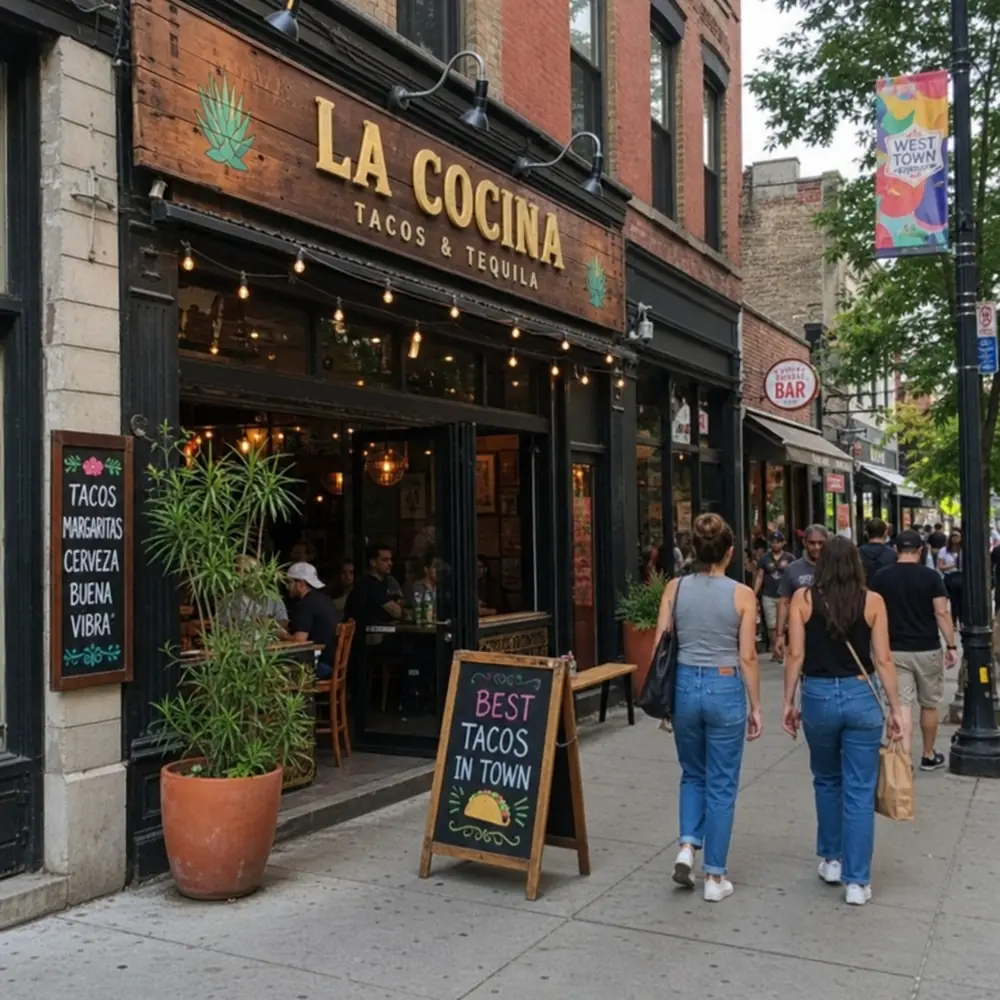
A strong dining location reduces friction. Guests should be able to understand where the restaurant is, how to get there, where to park or walk from, and whether the area feels comfortable for the type of meal they want. If the experience feels complicated before they arrive, many customers will choose an easier option.
Location also sets expectations. A restaurant near nightlife may be seen as lively and social. A restaurant in a business district may be judged on speed, lunch value, and convenience. A venue in an upscale shopping area may be expected to offer polished service and a more refined environment. These assumptions influence how guests interpret the same menu, price point, and atmosphere.
The major advantages of the right market placement
The best restaurant site selection creates a geographic advantage: a practical edge that comes from being in the right place for the right audience. That advantage can look different depending on the concept, but it usually includes several of the following benefits.
- Visibility that creates awareness: A visible storefront can turn daily passersby into future customers, especially for casual, coffee, bakery, bar, and quick-service concepts.
- Convenience that supports repeat visits: Easy parking, walkability, public transit access, and simple navigation make it more likely guests will return.
- Proximity to the right customer base: Families, office workers, tourists, students, commuters, and nightlife crowds all have different dining patterns.
- Better fit with the occasion: A romantic restaurant, sports bar, lunch counter, and fast-casual bowl shop each need a setting that matches why people visit.
- Operational advantages: Delivery radius, supplier access, staff commute, trash handling, loading zones, and storage can all affect daily performance.
- Brand alignment: The neighborhood, street, building, and neighboring tenants help signal what kind of experience the restaurant offers.
A good restaurant location is not always the busiest or most expensive site. It is the site where the concept, audience, access, visibility, costs, and competition work together. That balance is the core of a strong location strategy. See choosing a site that drives success for a full site-selection walkthrough.
What should owners study before choosing a dining location?
Owners should study the people, movement patterns, competition, access, costs, and neighborhood context before committing to a site. A proper location analysis looks beyond surface-level excitement and asks whether the restaurant can consistently reach enough customers at the right times. The goal is to understand both opportunity and risk before signing a lease or purchasing property.
Start with the customer. A restaurant for weekday lunch workers needs different demand than a family-friendly dinner spot or late-night taco counter. Study who lives, works, shops, commutes, and socializes nearby. The more clearly the local audience matches your concept, the stronger the foundation.
Next, evaluate traffic patterns. Foot traffic is valuable only if the people passing by are likely to stop, spend, and return. Vehicle traffic can help visibility, but only if drivers can safely enter, park, or order conveniently. In some cases, a slightly less visible site with better access can outperform a high-exposure site that is frustrating to reach.
A practical location analysis checklist
Use this checklist to compare potential sites with less emotion and more discipline:
- Customer fit: Does the surrounding population match your menu, price point, service style, and brand personality?
- Daypart demand: Is the area active during the hours when your restaurant needs sales, such as breakfast, lunch, dinner, late night, or weekends?
- Venue accessibility: Can guests arrive easily by car, foot, bike, rideshare, or public transit?
- Visibility: Is the storefront easy to see from natural customer paths, or will you rely heavily on marketing to explain where you are?
- Parking and arrival: Is there enough parking, clear signage, safe lighting, and a simple entrance experience?
- Competition: Are nearby restaurants attracting your target audience, or is the market already crowded with very similar concepts?
- Complementary neighbors: Do nearby shops, offices, hotels, theaters, gyms, schools, or apartments bring people who may also dine with you?
- Operating practicality: Can the site support kitchen flow, storage, deliveries, waste removal, ventilation, and staff movement?
- Cost pressure: Can projected sales realistically support rent, utilities, buildout, maintenance, and labor needs?
- Future changes: Are there development plans, road changes, zoning shifts, or tenant turnover that could change the area?
This process does not eliminate risk, but it helps prevent decisions based only on charm, low rent, or a busy-looking street. A restaurant can survive many small imperfections, but it is difficult to overcome a site that consistently blocks demand. How to choose the best location for a restaurant expands on each factor.
Restaurant positioning starts with place
Restaurant positioning is the way customers understand your concept compared with other options. Your menu, design, service style, pricing, and messaging all matter, but location can make that positioning feel believable or confusing.
For example, a premium steakhouse in a casual strip mall may need extra effort to communicate quality, privacy, and occasion value. A fast lunch concept in an office-heavy district may instantly make sense because the surrounding environment supports its promise. A neighborhood bistro tucked into a residential area may feel warm and local, while the same concept in a tourist zone could feel less personal.
This does not mean every restaurant must choose the most obvious location. Some destination restaurants succeed in unexpected places because the food, reputation, design, and experience are strong enough to pull guests in. However, that strategy usually requires intentional planning. If the location does not naturally create traffic, the restaurant must create its own demand through brand strength, community ties, reservations, events, partnerships, delivery, or standout hospitality.
Site selection affects marketing and customer acquisition
A restaurant's address changes how much work marketing has to do. In a high-visibility, high-fit location, the site itself becomes part of the marketing engine. People notice the sign, smell the food, see other guests, and remember the place when hunger strikes.
In a hidden or inconvenient site, marketing must work harder to overcome low awareness or weak access. That does not make the site impossible, but it changes the budget, timeline, and strategy. You may need stronger local SEO, clearer directions, social media content that explains the experience, community events, delivery partnerships, or signage that guides people from nearby streets.
Local search is especially important because many customers look for restaurants with immediate intent. They may search by cuisine, neighborhood, "near me" terms, open hours, reviews, or map results. A good restaurant location paired with accurate online listings can help customers move from search to visit with fewer obstacles.
Accessibility turns interest into actual visits
Venue accessibility is one of the most practical parts of location strategy. A guest may love your menu and still choose another restaurant if yours is difficult to reach. Convenience is not glamorous, but it strongly influences real-world dining decisions.
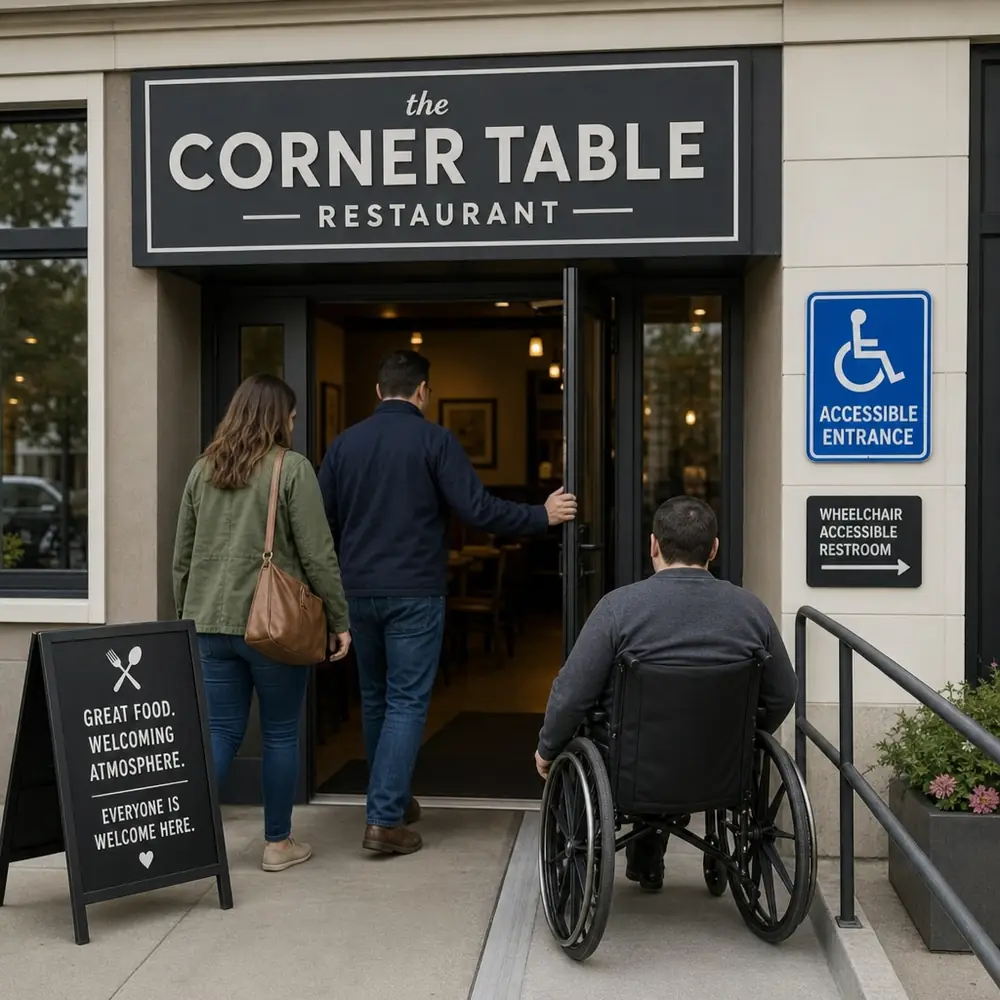
Accessibility includes more than parking. It involves sidewalk safety, lighting, entrance clarity, public transit options, rideshare drop-off space, stroller or wheelchair access, and how comfortable people feel arriving at different times of day. For delivery-heavy concepts, accessibility also includes driver pickup flow and how easily orders can leave the kitchen.
Restaurants should also think about mental accessibility. If guests can quickly understand where you are and what kind of experience to expect, they are more likely to visit. Confusing entrances, poor signage, hidden storefronts, and unclear directions create hesitation at the exact moment you need confidence.
Competition can help or hurt depending on fit
Many owners fear opening near other restaurants, but competition is not always bad. A dining district can attract people who are already in the mood to eat, compare options, and spend time in the area. In that setting, nearby restaurants may support overall traffic.
The key is differentiation. If five restaurants nearby sell the same cuisine, at the same price, for the same occasion, the market may be too crowded unless your concept has a clear edge. If your restaurant fills a gap, complements the area, or serves a different daypart, competition can become a sign of proven demand.
Look closely at who the competitors attract, when they are busy, what customers praise, and where they seem weak. This helps you refine restaurant positioning before opening. You are not only choosing a location; you are choosing the competitive story your restaurant must tell. Read best restaurant locations and what makes a location profitable for demand-vs-saturation framing.
Common location mistakes restaurants should avoid
Some location problems are obvious only after operations begin. That is why owners should slow down before committing, especially when a site looks beautiful or the rent appears attractive.
Common mistakes include:
- Choosing low rent without asking whether the site can generate enough sales.
- Overvaluing traffic counts while ignoring parking, turns, walkability, or customer intent.
- Opening in an area that is busy at the wrong time of day.
- Assuming a great menu will overcome poor access or weak visibility.
- Ignoring nearby construction, zoning rules, building limitations, or ventilation needs.
- Copying another restaurant's site selection without considering concept differences.
- Underestimating how neighborhood perception affects price tolerance and guest expectations.
A weak market placement can force a restaurant to spend more on advertising, discount more often, or depend too heavily on loyal regulars. A strong location does not guarantee success, but it gives the business more natural chances to earn attention and repeat visits.
A strong location strategy connects concept, customer, and operations
The best location strategy starts before the property search. Define the restaurant's concept, ideal guest, average check expectations, service model, busiest dayparts, and operational needs first. Then evaluate locations through that lens.
This approach prevents a common problem: falling in love with a site and reshaping the restaurant around it without enough discipline. Sometimes adapting to a location is smart, but the changes should be intentional. A small kitchen, limited parking, seasonal tourist traffic, or residential noise concerns can all influence what kind of restaurant the site can realistically support.
Owners should also revisit location assumptions over time. Neighborhoods change, customer habits shift, offices fill or empty, new housing opens, and competitors come and go. A restaurant that understands its location can adjust hours, menu focus, marketing, events, delivery strategy, and partnerships instead of reacting blindly.
The takeaway for restaurant owners
Location is one of the most important strategic decisions a restaurant makes because it affects demand, access, costs, brand perception, and daily operations all at once. The right restaurant location creates a geographic advantage by placing the concept where the right customers can notice it, reach it, understand it, and return to it.
Good site selection is not about finding a perfect address. It is about choosing a place where your concept has a realistic path to consistent traffic, strong positioning, and manageable operations. When location analysis is treated as a business decision rather than a real estate impulse, the restaurant has a stronger foundation before the first guest walks through the door.
Run a free site analysis at Restaurant Site Finder, then compare finalists with how to find the perfect restaurant location and our Go/No-Go decision guide before you sign.
Run a free location analysis
Enter any address to get competitor mapping, market gaps, opportunity scoring, and concept ideas.
Analyze your location free Shop equipment at Horeca Store