Operations
Maximizing Profits Using Restaurant Intelligence Tools
Learn how restaurant intelligence tools turn POS and guest data into higher margins through labor optimization, menu engineering, inventory control, dynamic pricing, and better customer experiences.
Key Takeaways
- Restaurant intelligence tools unify sales, labor, inventory, and guest data so you can act on profit levers, not guesswork.
- Peak-hour staffing, menu engineering, and inventory optimization directly protect prime cost and margins.
- Predictive analytics and POS integration turn daily operations into a repeatable growth system.
- Pair operational intelligence with free location analysis at Restaurant Site Finder.
In today's competitive restaurant industry, staying ahead requires more than great food and service. Restaurant intelligence tools are transforming how businesses operate. These platforms offer a wealth of data-driven insights.
Restaurant analytics can reveal customer preferences and dining patterns. That information helps you craft personalized experiences, optimize operations, and reduce costs.
Understanding peak hours and customer flow is crucial. With that knowledge, restaurants manage staff and inventory more effectively, improving efficiency and guest satisfaction.
Menu engineering becomes more precise with data insights. Identifying popular and profitable dishes boosts sales and helps refine the menu to meet demand.
Predictive analytics play a vital role in forecasting demand. That reduces waste, enhances resource management, and keeps you prepared for busy periods.
Integrating these tools with existing systems is increasingly seamless. They work with POS platforms for comprehensive data collection, streamlining operations and decision-making.
Restaurant intelligence tools are not just for large chains. Small and medium-sized establishments benefit too, they provide a competitive edge in a crowded market.
Investing in these tools is a strategic move. It can lead to significant long-term savings and increased profits. Embracing technology is key to thriving in the modern restaurant landscape.
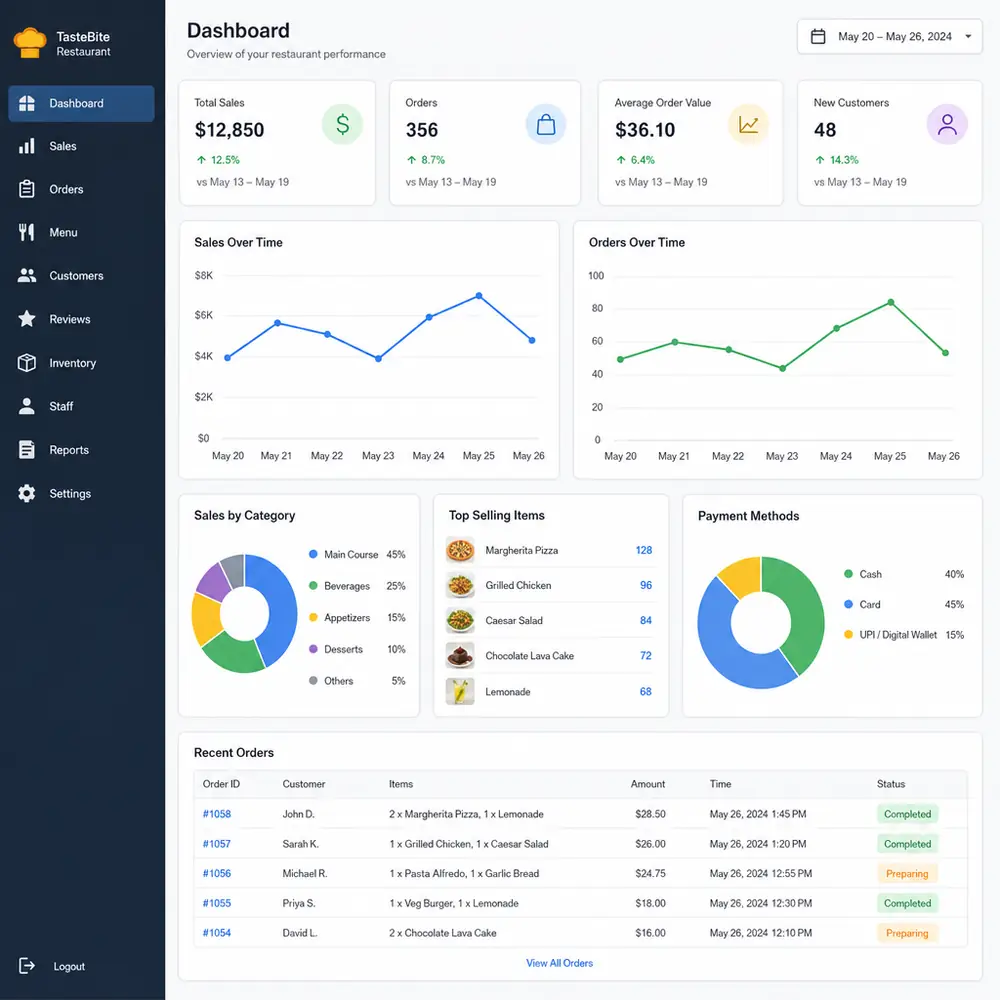
What Are Restaurant Intelligence Tools?
Restaurant intelligence tools are software platforms designed to gather and analyze data specific to the restaurant industry. They transform raw data into actionable insights to improve decision-making.
These tools leverage advanced analytics to offer customer behavior analysis, sales monitoring, and operational efficiency tracking, all aimed at maximizing profits.
Some of the primary benefits of using restaurant intelligence tools include:
- Enhanced understanding of customer preferences
- Improved inventory management
- Better staff allocation based on peak times
- Streamlined menu engineering
With such data-driven insights, restaurant managers can identify and seize opportunities. They respond better to market demands and competitive pressure, crafting targeted strategies for unique business needs.
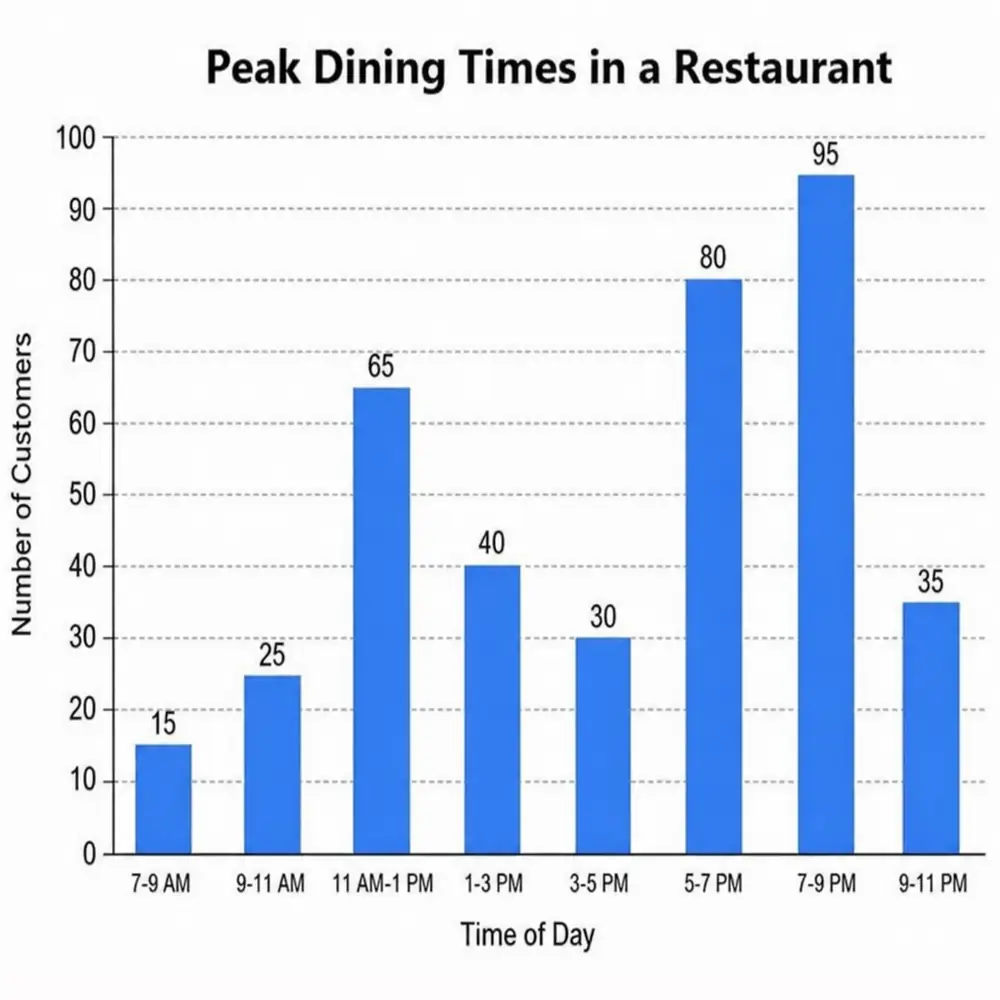
In essence, restaurant intelligence tools are vital for modern restaurant management. They provide the data to make informed decisions, support daily operations, and foster long-term growth and sustainability.
The Role of Restaurant Analytics in Modern Restaurant Management
Restaurant analytics serve as the backbone of modern restaurant management. By applying analytics, managers gain a comprehensive view of operational and customer-centric aspects. These insights drive informed decisions to boost efficiency and profitability.
Analytics tools provide real-time data for understanding customer behavior. They identify dining patterns and preferences, aiding in tailoring experiences. With this knowledge, restaurants enhance satisfaction and increase repeat visits.
Advanced restaurant analytics assist managers in various ways, such as:
- Forecasting demand to reduce waste
- Optimizing staff schedules during peak hours
- Monitoring social media sentiment for reputation management
Data plays a crucial role in financial planning and budgeting. Analytics reveal sales trends, enabling precise forecasting for revenue growth. That allows restaurants to align expenses and investments with anticipated income.
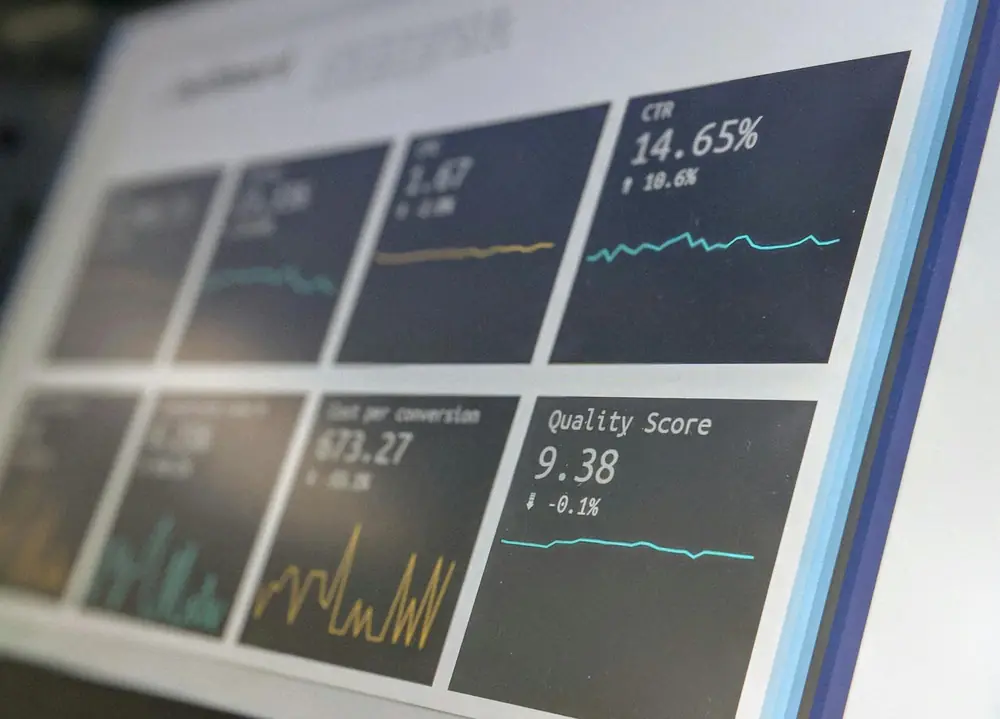
Ultimately, restaurant analytics enable a holistic view of the business. They provide deep insights into operations, customer preferences, and market trends. Embracing analytics ensures a proactive management style that anticipates challenges and leverages opportunities, a data-driven approach essential for thriving in a competitive food service landscape.
Key Features of Restaurant Intelligence Tools
Restaurant intelligence tools offer a plethora of features that empower managers to make informed decisions. These tools integrate seamlessly with existing systems to provide comprehensive data insights.
One key feature is real-time data collection, ensuring decision-makers have up-to-date information at their fingertips.
Another critical feature is predictive analytics, which helps forecast trends and customer needs. Restaurants anticipate demand and align resources accordingly, minimizing waste and improving service quality.
Most tools come with robust reporting functions, enabling detailed analysis. Managers create custom reports to track performance metrics effortlessly. Visualizations simplify complex data, facilitating better understanding and quick action.
Common features include:
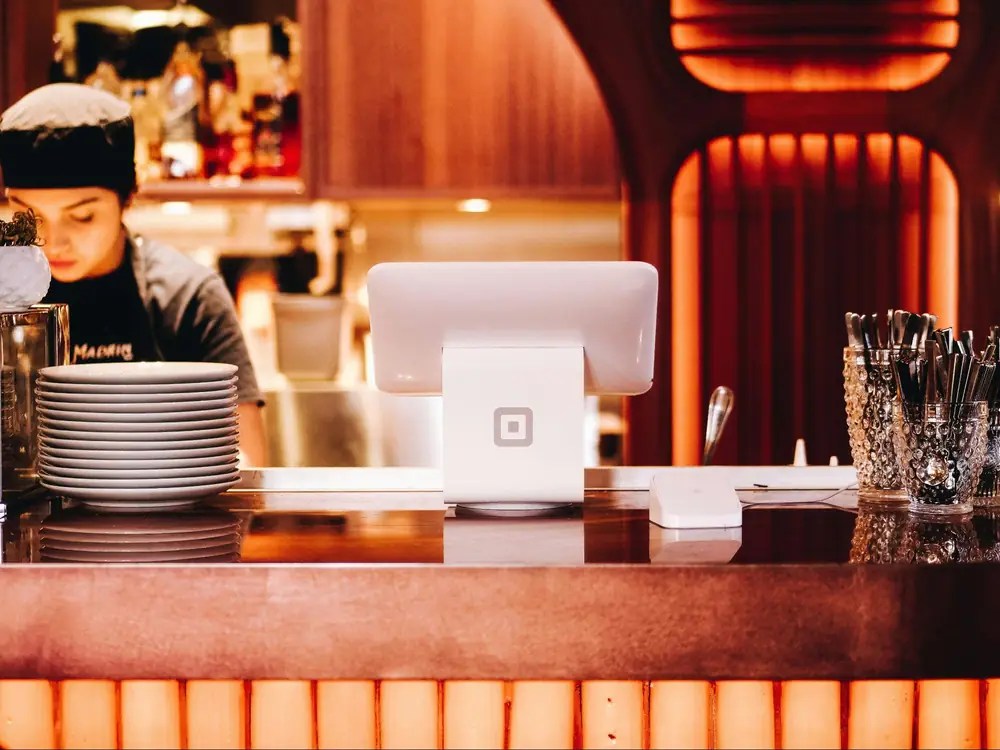
- Integration with point-of-sale (POS) systems
- Real-time inventory tracking
- Customer relationship management (CRM) capabilities
- Data visualization dashboards
- Predictive analytics for demand forecasting
Furthermore, restaurant intelligence tools often include customer feedback analysis. By assessing feedback, restaurants improve service and address issues proactively. This feedback loop is essential for maintaining high standards and enhancing the customer experience.
How Restaurant Intelligence Tools Drive Profitability
Restaurant intelligence tools significantly enhance profitability by streamlining operations and uncovering opportunities. They enable efficient labor management by analyzing peak hours, ensuring optimal staff allocation and reduced labor costs during slow periods.
These tools identify popular dishes, guiding menu optimization for higher profits. They help determine items with high margins and those that need reevaluation. Menu engineering becomes a data-driven process, leading to a more attractive and profitable menu.
These tools also provide insights into inventory management, reducing waste and spoilage. By maintaining optimal stock levels, restaurants minimize cost while ensuring availability, directly impacting the bottom line.
Implementing dynamic pricing strategies is another profitability booster. Real-time data allows price adjustments according to demand fluctuations, maximizing revenue during busy periods without sacrificing satisfaction.
Key benefits driving profitability include:
- Enhanced labor efficiency
- Data-driven menu optimization
- Improved inventory management
- Dynamic pricing adjustments
- Reduced operational costs
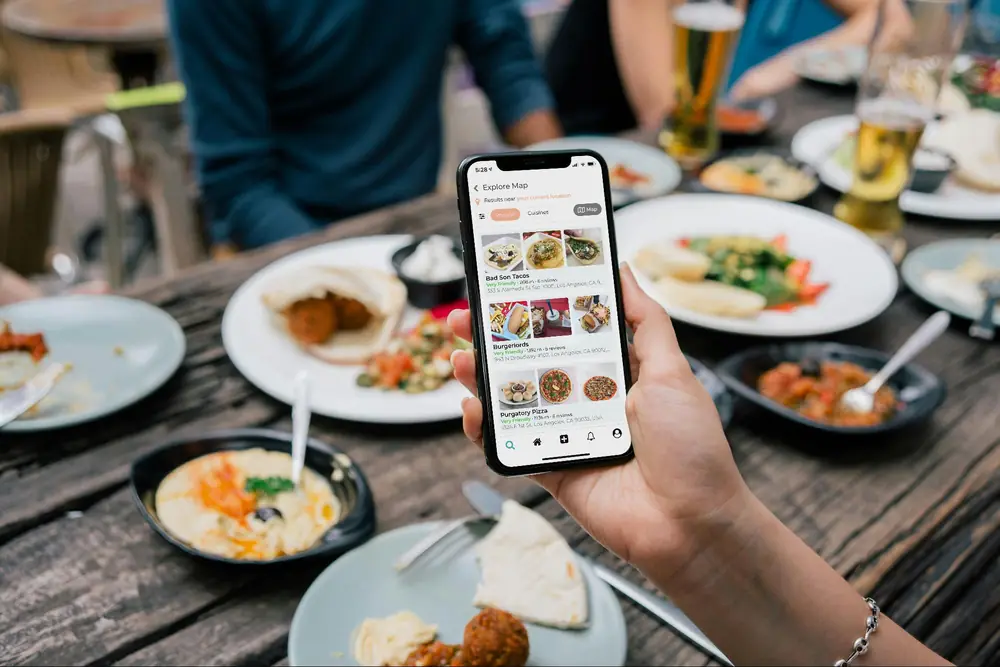
Moreover, these tools provide a comprehensive view of business performance through detailed reports. By understanding financial health, restaurants plan strategically for long-term growth.
Enhancing Customer Experience with Data-Driven Insights
Improving customer experience is crucial for restaurant success. Restaurant intelligence tools play a significant role by offering personalized service. They analyze customer preferences and behavior, helping tailor experiences to individual needs.
By leveraging these insights, restaurants create targeted marketing campaigns. Promotions reach customers most likely to engage, enhancing satisfaction and loyalty.
Analyzing feedback and reviews through these tools identifies service gaps. Quick response to negative feedback can turn dissatisfied customers into loyal patrons. Continuous improvement based on customer input fosters a positive dining environment.
Key benefits of enhancing customer experience include:
- Personalized service
- Targeted marketing
- Quick feedback resolution
- Continuous improvement
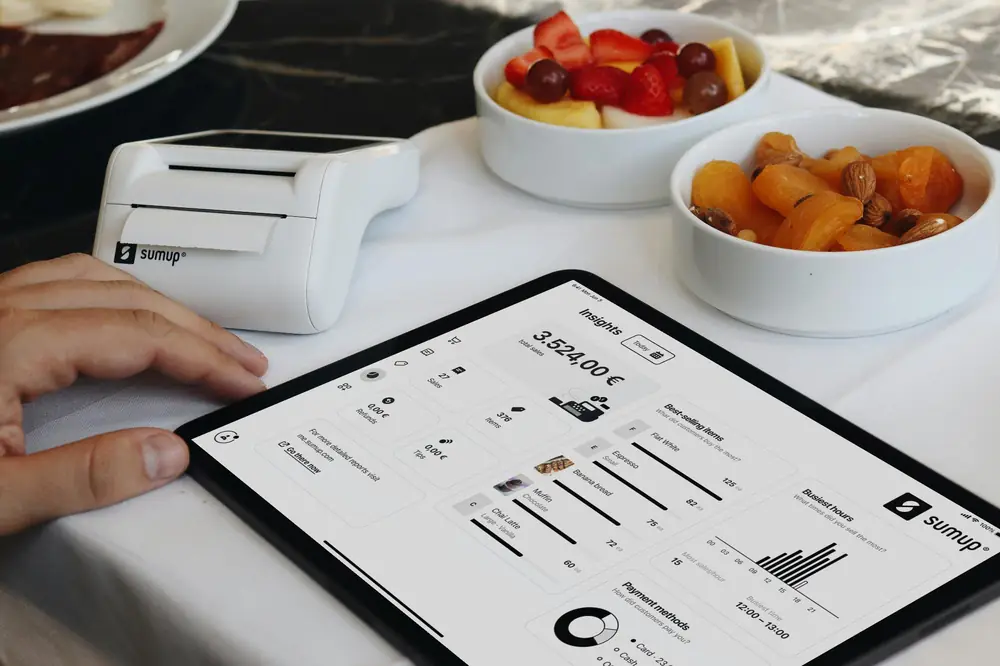
Understanding customer journey mapping aids in refining operational processes. From reservation to billing, optimizing each touchpoint ensures seamless experiences. This comprehensive approach boosts retention rates and encourages repeat business.
Streamlining Operations and Reducing Costs
Efficient operations are a cornerstone of profitable restaurants. Restaurant intelligence tools offer invaluable insights into streamlining processes. They provide data on staff performance and productivity, allowing managers to allocate resources effectively.
By evaluating peak hours and employee schedules, these tools minimize labor costs without compromising service quality. Strategically scheduling staff ensures the right number of employees at the right times.
Inventory management also benefits from data analytics. Accurate forecasts prevent overstocking or stockouts, reducing wastage and optimizing food cost. Real-time alerts for stock levels help maintain a balanced inventory.
Key strategies for streamlining operations include:
- Optimizing staff schedules
- Efficient inventory management
- Monitoring performance metrics
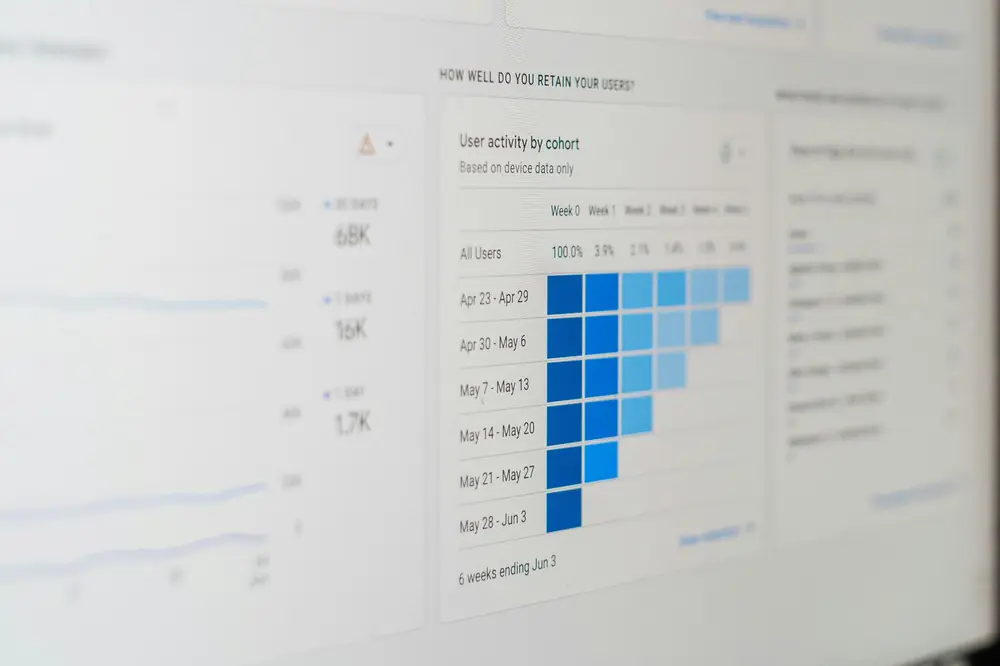
Additionally, these tools support operational improvements by identifying bottlenecks. Streamlined workflows and improved coordination among staff lead to smoother operations. Focusing on data-driven decisions reduces costs significantly, enhancing profit margins and the overall dining experience.
Menu Engineering and Inventory Optimization
Menu engineering is a crucial aspect of maximizing restaurant profits. Restaurant intelligence tools provide detailed insights into which dishes are popular and profitable. By analyzing sales data, restaurateurs determine which items to spotlight and which to revise or remove.
Inventory optimization goes hand-in-hand with menu engineering. These tools track ingredient usage and wastage, enabling better purchasing decisions. By understanding demand patterns, restaurants optimize ordering schedules and reduce food waste.
Data-driven insights also allow for dynamic menu adjustments based on customer preferences and seasonal trends. This approach enhances profitability and improves satisfaction by offering appealing options.
Key considerations for effective menu and inventory management include:
- Analyzing dish profitability and popularity
- Monitoring ingredient usage and waste
- Adjusting menus for seasonal changes

Implementing these strategies can significantly improve operational efficiency. By aligning menu offerings with inventory management, restaurants control costs and boost margins: maintaining a consistent, high-quality dining experience.
Real-World Success Stories: Case Studies
Restaurant intelligence tools have proven transformative across the industry. Many restaurants report impressive profit increases and operational improvements after implementation.
For instance, a popular mid-sized chain experienced a 20% increase in revenue within a year. They utilized restaurant analytics to identify and promote high-margin items, enhancing the menu while aligning with customer preferences.
Another small family-owned restaurant reduced food waste by 30% through precise inventory management. Insights from their intelligence tool enabled more accurate purchasing and usage tracking, leading to cost savings and stronger sustainability efforts.
Common outcomes witnessed by restaurants using intelligence tools:
- Improved menu offerings based on data insights
- Reduced waste and better inventory control
- Enhanced customer satisfaction and loyalty

These stories illustrate the potential of integrating data analytics in restaurant management. Each represents a unique journey toward increased efficiency and profitability.
Choosing the Right Restaurant Intelligence Tool
Selecting the best restaurant intelligence tool is crucial for success. With many options available, assess your specific needs, customer insights, inventory management, or multi-unit reporting.
Consider compatibility with existing systems, like your POS. Seamless data integration reduces transition issues. User-friendliness matters too; a complex interface can hinder staff adoption.
Evaluate features based on your priorities: real-time analytics, data visualization, or marketing support. Ensure the vendor provides comprehensive support and training.
Criteria to guide your selection:
- Integration capabilities with current systems
- User-friendly interface and ease of use
- Comprehensive support and training options
For vendor comparisons, see our guide to top restaurant data analytics tools reviewed.
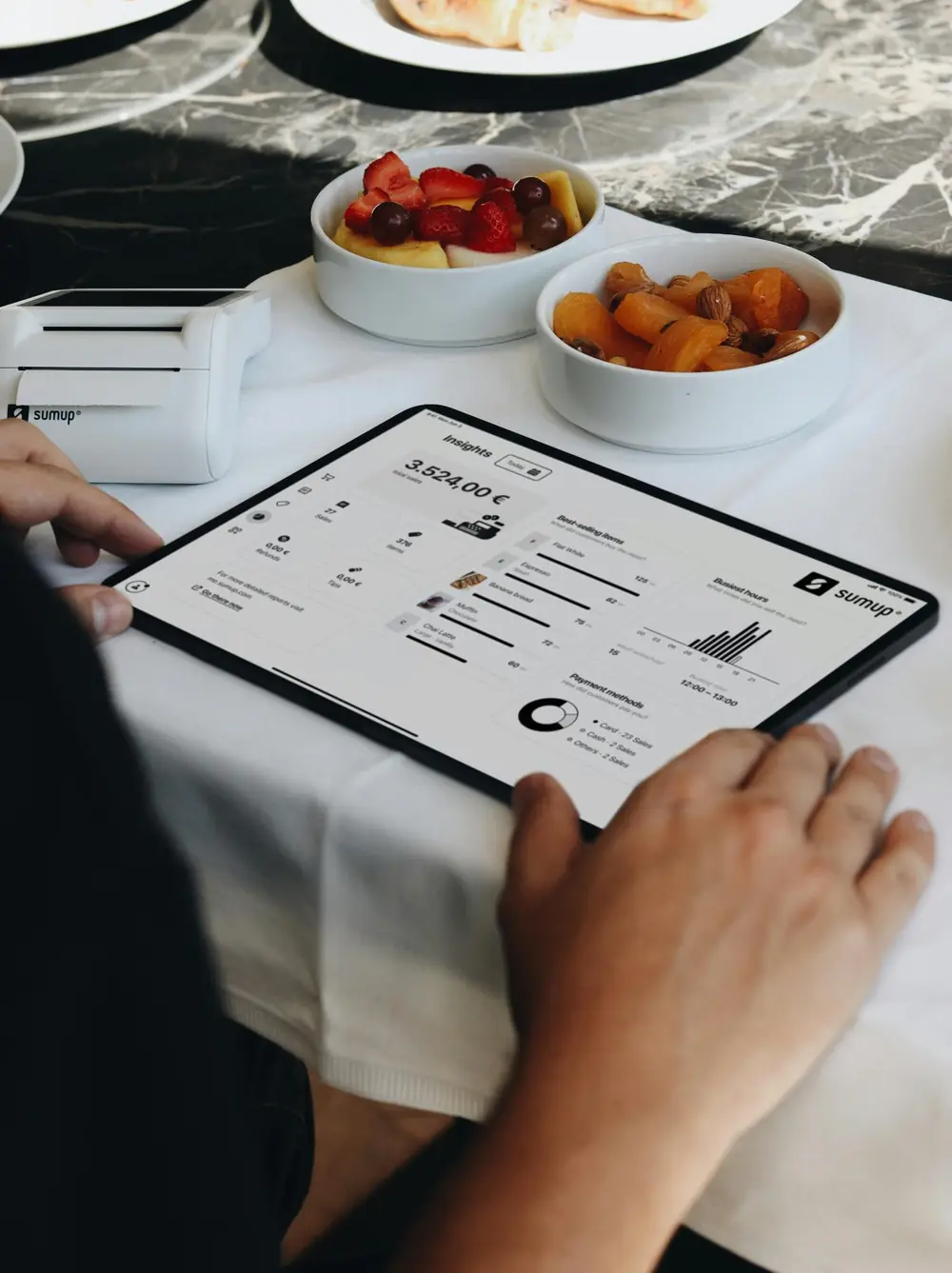
Choosing the right tool can transform operations and boost profits. Focus on specific goals and find a solution that aligns with them.
Implementation Best Practices and Staff Training
Proper implementation of a restaurant intelligence tool is crucial for success. Start with clear goals, improving service, reducing waste, or boosting satisfaction.
Engage your team early to encourage buy-in and ease the transition. Train staff thoroughly so they leverage the tool’s full potential. Provide ongoing sessions to keep skills sharp and updates current.
Customize training to suit each role. That enhances their ability to make data-driven decisions. Regular feedback sessions identify areas for improvement.
Best practices for implementation and training include:
- Establish clear objectives for the tool’s use
- Involve staff in the implementation process
- Provide role-specific training and regular updates
Implementing the right practices unlocks the tool’s full potential and can significantly impact your bottom line.
Overcoming Common Challenges and Pitfalls
Adopting a restaurant intelligence tool can present challenges. Initial resistance from staff or system complexity are common hurdles. Address these by promoting long-term benefits and simplifying integration.
Another challenge is data overload. Too much information can lead to analysis paralysis. Focus on metrics that matter most to your goals.
Strategies to navigate these challenges:
- Communicate benefits clearly to staff
- Simplify the onboarding process
- Prioritize actionable data aligned with objectives
Embracing these strategies helps you harness the full power of your restaurant intelligence tool while minimizing disruption.
The Future of Restaurant Intelligence and Analytics
The restaurant industry is evolving rapidly, and intelligence tools are at the forefront. Emerging technologies like artificial intelligence (AI) and machine learning redefine restaurant analytics, delivering more precise predictions and personalized experiences.
Restaurants can expect greater automation and integration. Seamless connectivity across devices and platforms will enhance operational efficiency and faster decision-making from real-time data.
Key trends to watch in restaurant analytics include:
- AI-driven predictive analytics
- Integration of IoT devices for real-time monitoring
- Enhanced data visualization techniques
By staying informed about these trends, restaurants remain competitive and continue to delight customers. Investing in emerging technologies now prepares businesses for tomorrow’s challenges.
Conclusion: Taking Action for Maximum Profit
Integrating restaurant intelligence tools can transform how your business operates. These tools offer insights crucial for maximizing profits. By leveraging data-driven strategies, you enhance customer satisfaction and operational efficiency.
Begin by choosing the right tools and training your staff effectively. Understand your data and apply insights to make informed decisions. This proactive approach boosts profits and strengthens your position in a competitive market.
Operational intelligence maximizes profit at existing locations; location intelligence helps you pick the next site wisely. Run free AI-powered analysis at Restaurant Site Finder and explore how restaurant analytics software boosts profits for a complementary playbook.
Frequently Asked Questions
What are restaurant intelligence tools?
They collect and analyze restaurant-specific data, sales, labor, inventory, and guest behavior, and deliver actionable insights for owners and managers.
How do restaurant intelligence tools increase profits?
They optimize peak-hour staffing, highlight high-margin menu items, reduce waste through forecasting, support dynamic pricing, and trim unnecessary operational spend.
Do restaurant intelligence tools work for small restaurants?
Yes. Cloud analytics and POS integrations make intelligence tools practical for independents and small groups, not only enterprise chains.
What should I look for when choosing a restaurant intelligence tool?
Prioritize POS integration, real-time dashboards, predictive analytics, ease of use, training support, and reporting aligned with your top goals.
Is Restaurant Site Finder free for location intelligence?
Yes. Enter any US address at restaurantsitefinder.com for competitor mapping and opportunity scoring.
Run a free location analysis
Enter any address to get competitor mapping, market gaps, opportunity scoring, and concept ideas.
Analyze your location free Shop equipment at Horeca Store