Site Selection
Restaurant Foot Traffic Analysis: Find High-Demand Restaurant Locations with AI
Learn how AI-powered restaurant foot traffic analysis reveals high-demand locations, customer behavior patterns, and predictive trends to guide smarter site selection and operations.
Key Takeaways
- Foot traffic analysis is a core KPI for restaurant site selection—volume, frequency, and daypart patterns reveal whether a location fits your concept.
- AI beats manual clicker counts by processing mobility data, competitor density, and predictive trends at scale.
- Run a free AI scan at Restaurant Site Finder before signing a lease, then validate with our 15-factor checklist.
- Integrate foot traffic insights with engagement metrics, layout optimization, and predictive staffing for smarter growth.
In the bustling restaurant industry, location is everything. A prime spot can mean the difference between success and failure.
But how do you find that perfect location? Traditional methods often fall short.
Enter AI-driven foot traffic analysis. This technology offers a new way to identify high-demand areas. AI can analyze vast amounts of data quickly. It reveals patterns and insights that were previously hidden.
Understanding foot traffic is crucial for restaurant owners. It helps in making informed decisions about where to open new locations. AI tools provide detailed insights into customer behavior. They help optimize operations and improve customer engagement.
With AI, restaurants can predict future trends and adapt accordingly. This leads to smarter growth and increased revenue. In this article, we explore how AI transforms foot traffic analysis and how it can help you find the best restaurant locations.
The Importance of Foot Traffic Analysis in the Restaurant Industry
In the restaurant industry, foot traffic is a key performance indicator. It provides crucial insights into customer behavior and preferences.
Understanding foot traffic patterns allows restaurants to optimize their operations. This includes aligning staff schedules with peak hours and ensuring smooth customer flow.
Foot traffic analysis can directly impact revenue. High foot traffic locations often see increased sales, making them vital for business success. Moreover, analyzing foot traffic helps identify underperforming locations, enabling strategic improvements and reallocation of resources where needed.
Key benefits of foot traffic analysis include:
- Better understanding of customer behavior
- Informed decisions on staffing and inventory
- Improved marketing strategies and promotions
With these insights, restaurant owners can craft targeted marketing strategies. This leads to better customer engagement and higher satisfaction.
Foot traffic analysis is not just about counting customers. It is about understanding the dynamics that drive restaurant success. In today's competitive market, leveraging these insights can give a significant edge.

Understanding Restaurant Foot Traffic: Key Concepts and Metrics
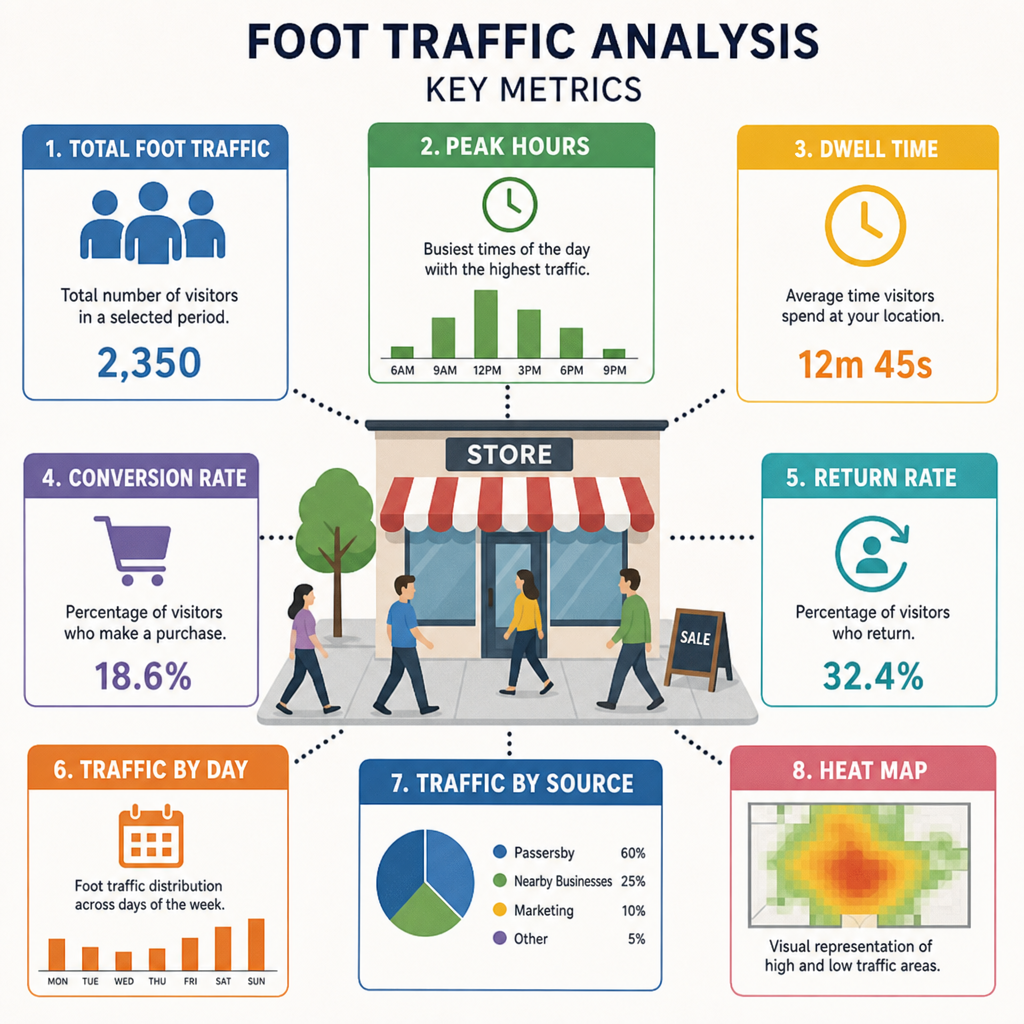
Grasping the nuances of foot traffic is crucial for restaurant success. It involves more than just counting visitors entering your premises. Effective foot traffic analysis provides insights into peak hours, customer preferences, and dining patterns. This data helps optimize restaurant operations.
Key concepts in foot traffic analysis include volume, frequency, and duration. Volume measures the number of visitors, while frequency tracks how often they return. Duration refers to the length of time they spend in the restaurant. Together, these metrics create a comprehensive picture of customer engagement.
To understand these metrics better, consider the following:
- Volume: Total number of customers entering daily
- Frequency: Repeat visits by the same customer
- Duration: Average time spent by each customer
Analyzing these metrics allows restaurants to adapt to customer needs. They can adjust staffing levels, schedule promotions, and enhance service quality accordingly. Understanding these key metrics is essential in today's data-driven restaurant industry landscape.
Traditional vs. AI-Driven Foot Traffic Analysis
Traditional foot traffic analysis often involves manual counting. Staff might tally visitors with clickers or use paper forms. These methods can be time-consuming and prone to errors. They offer limited insights, primarily focusing on basic counts without deeper data analysis.
In contrast, AI-driven solutions collect data autonomously. They provide more precise and comprehensive insights. AI can automate processes, saving staff time and reducing human error. This technology can analyze large datasets quickly, offering rich foot traffic insights unavailable through manual methods.
AI-driven analysis enables predictive insights, forecasting trends and facilitating strategic planning. It allows for real-time data capture and interpretation, supporting dynamic decision-making. This adaptability means restaurants can swiftly adjust operations based on live data.
AI-driven methods go beyond counting visitors. They incorporate advanced metrics, analyzing customer engagement and traffic flow. With AI, restaurants better understand customer behavior and preferences, aiding in strategic location selection and enhanced customer experiences.

How AI Transforms Restaurant Foot Traffic Analysis
AI is revolutionizing how restaurants analyze foot traffic. It enables thorough and efficient data analysis. With AI, data collection is automated, minimizing manual effort.
AI harnesses large volumes of data to identify patterns. These patterns can highlight high-demand locations. Restaurants can use this knowledge for strategic location planning.
With AI tools like Restaurant Site Finder, operators gain access to competitor density, review sentiment, and opportunity scores for any address—without enterprise GIS pricing.
Here are ways AI transforms foot traffic analysis:
- Enhanced data accuracy: Reduces errors common in manual counting.
- Comprehensive insights: Delivers detailed customer behavior data.
- Predictive capabilities: Forecasts trends based on historical data.
- Real-time analysis: Allows for immediate operational adjustments.
- Improved decision-making: Supports strategic planning with robust data.
By integrating AI, restaurants enhance operational efficiency. They can optimize layouts, scheduling, and marketing efforts. This results in improved customer satisfaction and increased profitability.

Collecting and Integrating Foot Traffic Data: Tools and Methods
Effective data collection is pivotal for accurate foot traffic analysis. Traditional methods included manual counts and surveys. While useful, these can be time-consuming and prone to errors.
Today, technology provides more advanced solutions. Cameras and sensors capture real-time footfall data with precision. These tools deliver reliable insights into customer flow.
For seamless integration of data, several methods can be employed. Many restaurants now use software that merges foot traffic insights with sales data. This integration offers a comprehensive view of operations and consumer habits.
Here's a list of tools and methods to consider:
- Infrared sensors: Track movement with precision.
- CCTV cameras: Provide visual confirmation of data.
- Wi-Fi analytics: Monitor unique visitor counts.
- Beacons: Offer location-based data collection.
- Point-of-sale systems: Integrate sales and traffic data for deeper insights.
Combining these tools can significantly enhance the depth of analysis. With proper integration, restaurants can optimize various aspects of their operations. This data-driven approach not only improves operational efficiency but also boosts customer satisfaction by responding accurately to patterns.
Customer Engagement Metrics and Their Role in Location Selection
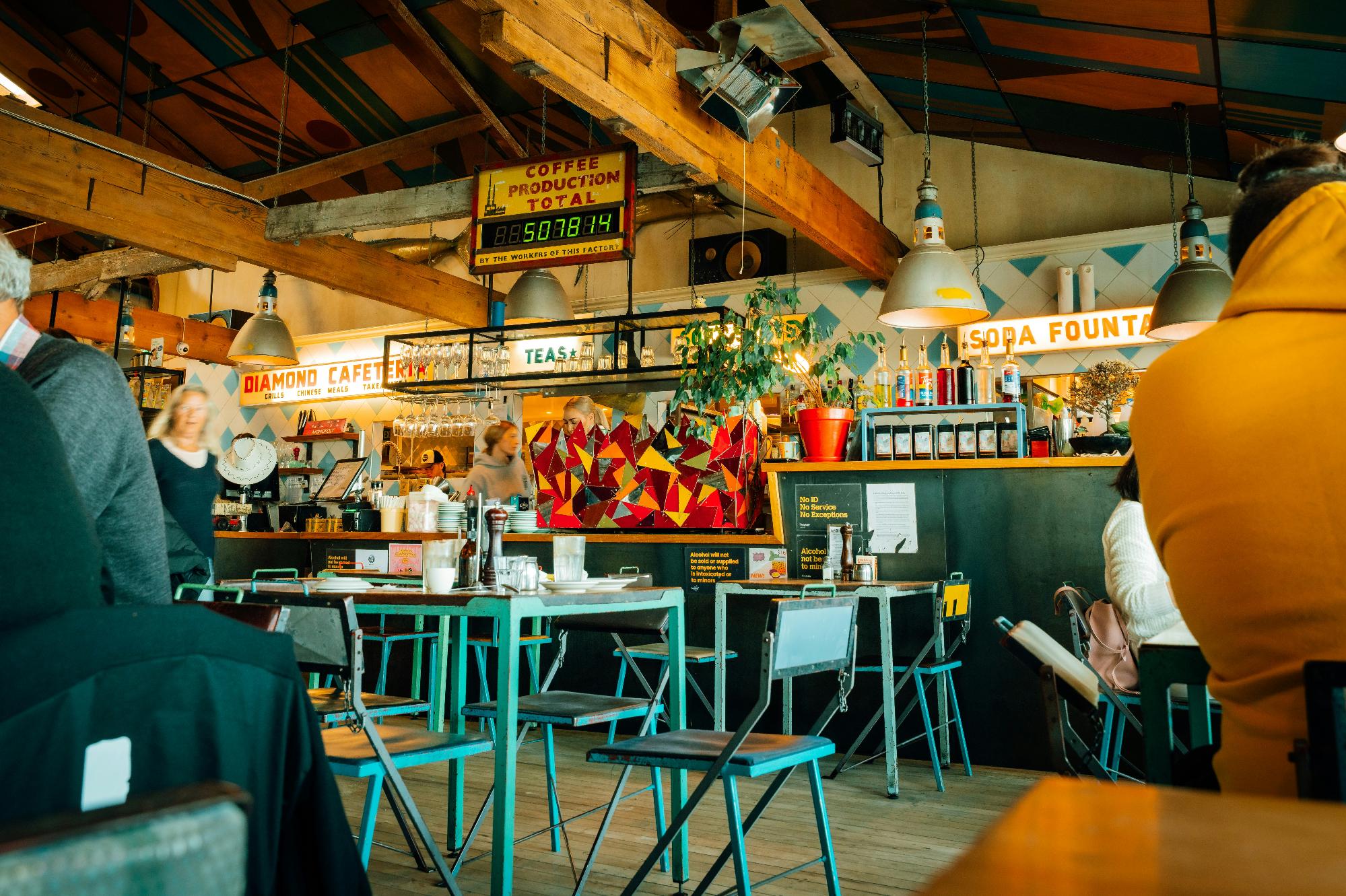
Customer engagement metrics are crucial in selecting a restaurant location. These metrics offer insights into how effectively a restaurant interacts with its customers. Understanding them helps in refining marketing and operational strategies.
Visitor frequency and duration are key metrics to watch. Frequent visits and longer stays signal a high level of customer satisfaction. Such insights aid in identifying potential high-demand areas.
Moreover, social media interactions and online reviews reflect customer experiences. Positive feedback often correlates with a convenient location and excellent service. Restaurant Site Finder analyzes competitor review sentiment within approximately 1.5 km to surface market gaps.
Here's a snapshot of useful engagement metrics:
- Visitor frequency: How often customers return.
- Average visit duration: Time spent per visit.
- Social media engagements: Likes, shares, and comments.
- Customer feedback: Reviews and surveys.
Effective use of these metrics can significantly influence location decisions. By understanding these, restaurants can tailor offerings to meet customer expectations. This, in turn, boosts loyalty and enhances competitive advantage in new markets.

Predictive Analytics: Forecasting Restaurant Traffic Trends with AI
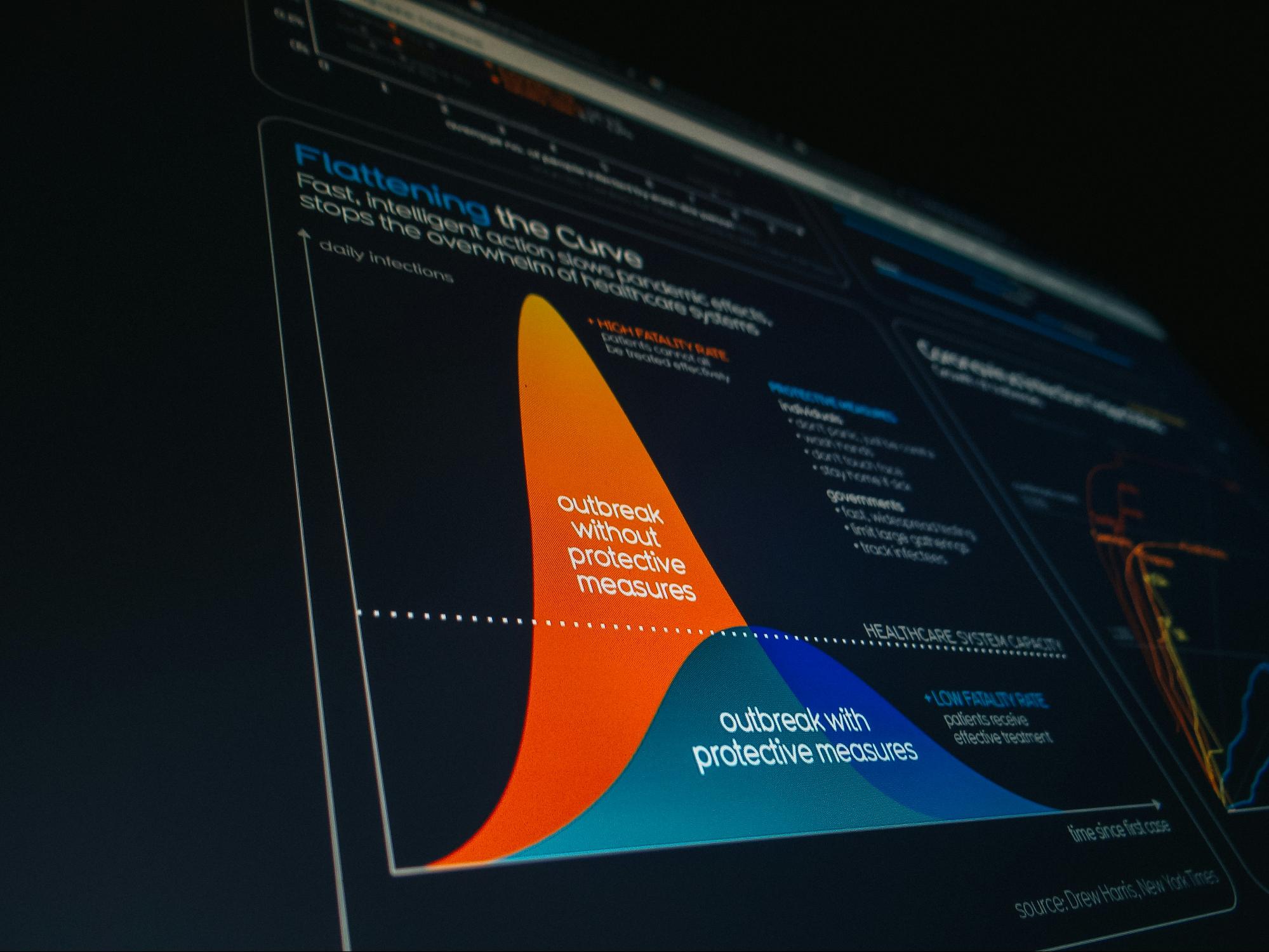
Predictive analytics leverages historical data to forecast future traffic trends. Restaurants can anticipate busy periods and plan accordingly. This approach enhances staffing, inventory management, and marketing efforts.
AI tools sift through data, uncovering patterns invisible to the human eye. These insights help predict when foot traffic will peak. Accurate predictions allow for efficient resource allocation and reduced wastage.
Predictive analytics offers several benefits:
- Enhanced planning: Align resources with expected demand.
- Increased revenue: Capitalize on peak times with promotions.
- Cost efficiency: Minimize resource wastage.
Incorporating AI into analytics promotes strategic decision-making. Restaurants can adjust operations in real-time, improving customer satisfaction. Predictive tools also aid in forecasting sales, providing a comprehensive view of business performance.
Understanding traffic dynamics fosters a proactive approach. By staying ahead of trends, restaurants can maintain a competitive edge. See our trade area analysis guide for methodology.
Traffic Flow Analysis: Optimizing Restaurant Layout and Operations
Efficient restaurant layouts can significantly impact customer experience. Traffic flow analysis helps identify bottlenecks in customer movement. This insight allows restaurants to redesign spaces for smoother operations.
AI tools map customer pathways, highlighting critical areas. Adjustments in table arrangements can minimize congestion. Enhanced flow improves service speed and guest satisfaction.
Key benefits of optimizing traffic flow include:
- Improved experience: Guests enjoy smoother, hassle-free visits.
- Operational efficiency: Staff move freely, boosting productivity.
- Higher turnover: Efficient layouts increase table turnover.
Implementing AI-driven solutions identifies optimal placement for staff stations. This strategic positioning shortens service times and enhances customer interaction. Moreover, continuous monitoring of traffic patterns ensures ongoing improvements.
Optimized layouts aren't solely about aesthetics. They must support staff activities while maintaining an inviting ambiance. Consistent flow analysis is crucial for sustained operational success and customer loyalty.
Case Studies: Success Stories Using AI for Restaurant Location Selection
AI has empowered several restaurants to select optimal locations with high potential. These success stories showcase the transformative role of technology in strategic planning.
One major chain used AI to analyze demographics and foot traffic patterns. By doing so, they identified prime locations in bustling urban centers. The result was increased customer engagement and revenue.
Another success story involved a small café aiming to expand. AI tools were used to evaluate competitor foot traffic. This analysis revealed untapped areas with high potential customer influx.
Key outcomes from these case studies include:
- Increased revenue: Higher foot traffic correlates with higher sales.
- Strategic expansion: Data-driven insights guided profitable growth.
- Market edge: Competitive analysis provided a strategic advantage.
In these examples, AI's predictive capabilities were pivotal. By forecasting traffic trends, restaurants could anticipate demand. As a result, they optimized resource allocation and marketing efforts, ensuring sustained growth in competitive markets.
Overcoming Challenges in Restaurant Foot Traffic Analysis
Implementing foot traffic analysis in restaurants comes with its set of hurdles. Understanding these challenges is crucial for successful adoption.
A significant challenge is the cost of AI technology. Many small businesses find it hard to invest in advanced systems without guaranteed returns.
Moreover, integrating new systems with existing POS tools can be complex. This might require extensive staff training and adaptation to new processes.
To overcome these challenges, restaurants can:
- Start small: Begin with basic analytics tools—or a free Restaurant Site Finder scan—to prove value.
- Seek expertise: Partner with tech companies for seamless integration.
- Focus on training: Ensure staff are well-versed in new systems.
By addressing these challenges head-on, restaurants can effectively harness AI for foot traffic analysis, paving the way for informed and strategic business decisions.
Best Practices for Implementing AI-Powered Restaurant Analytics Tools
Adopting AI-powered analytics tools requires careful planning and strategic execution. Restaurants must prioritize understanding and defining their specific business needs first.
Before implementing any tools, ensure that you select the solution best aligned with your goals. Assess different tools based on features, scalability, and user-friendliness.
To successfully implement these tools, consider the following best practices:
- Engage employees: Foster a culture of learning and adaptation.
- Integrate seamlessly: Ensure compatibility with existing systems.
- Monitor and evaluate: Regularly assess tool performance and make adjustments.
Following these practices can lead to more effective utilization of analytics tools. This ensures that restaurants maximize the benefits of AI, leading to smarter, data-driven growth strategies.
Future Trends: The Evolving Role of AI in Restaurant Foot Traffic Analysis
AI continues to evolve, reshaping how restaurants analyze foot traffic. Emerging technologies promise even greater accuracy and insights. Machine learning algorithms will become more sophisticated, predicting customer flow with higher precision.
Restaurants will utilize AI to integrate foot traffic analysis with other data sources. This will include customer demographics and purchasing patterns, leading to more personalized marketing efforts.
Anticipated future trends in AI-driven foot traffic analysis include:
- Real-time updates: Instant adjustments to changing traffic patterns.
- Enhanced personalization: Tailoring offers based on individual behaviors.
- Sustainability focus: Optimizing resources during peak times.
As these trends develop, restaurants that embrace AI will have a competitive edge. They'll transform data into actionable insights, driving growth and improving customer satisfaction. AI will continue to play a pivotal role in shaping efficient restaurant operations.
Conclusion: Leveraging AI for Smarter Restaurant Growth
Incorporating AI into restaurant foot traffic analysis empowers businesses with insightful, data-driven strategies. This advanced technology identifies high-demand locations, improving decision-making and maximizing returns.
By leveraging AI, restaurants can optimize operations, enhance customer experiences, and stay competitive. Embracing these innovative tools ensures smarter growth, enabling restaurants to thrive in a dynamic industry landscape. AI is not just a trend; it is the future of efficient, effective restaurant management.
Run a free AI-powered location analysis at Restaurant Site Finder and pair it with our Restaurant Site Finder opening guide for a complete pre-opening workflow.
Run a free location analysis
Enter any address to get competitor mapping, market gaps, opportunity scoring, and concept ideas.
Analyze your location free Shop equipment at Horeca Store