Marketing
Understanding Factors Influencing Restaurant Foot Traffic
Understanding factors influencing restaurant foot traffic, awareness, motivation, ease, location, visibility, timing, foot traffic insights, customer experience, menu design, online presence, competition, promotions, and community connection.
Key Takeaways
- Restaurant foot traffic depends on awareness, motivation, and ease, not just a busy street.
- Location, visibility, timing, menu clarity, customer experience, online presence, competition, and community connection all shape walk-ins and repeat visits.
- Use foot traffic insights to match promotions to slow dayparts, staff to peaks, and storefront messaging to what passersby need in the moment.
- Validate location demand before opening or expanding with free analysis at Restaurant Site Finder.
Restaurant foot traffic is shaped by many small decisions, from where a restaurant is located to how inviting it feels from the street. For owners and managers, the goal is not only to bring more people through the door, but to understand why they come, when they come, and what makes them return. With the right foot traffic insights, even simple changes to signage, service, promotions, and customer experience can help a restaurant become more visible and more memorable.
What really influences restaurant foot traffic?
Restaurant foot traffic is influenced by visibility, location, timing, convenience, customer habits, local competition, reputation, and the overall dining experience. People are more likely to walk into a restaurant when it is easy to notice, easy to access, and clearly matches what they want in that moment, whether that is a quick lunch, a family dinner, a coffee break, or a place to meet friends.
Foot traffic is not random. A busy street can help, but it does not guarantee a full dining room. A quieter location can still perform well if the restaurant gives people a clear reason to visit, creates repeat habits, and stays connected to the surrounding community.
Think of foot traffic as a mix of three things:
- Awareness: Do people know the restaurant exists?
- Motivation: Do they have a reason to enter now instead of later?
- Ease: Is it simple, comfortable, and convenient to visit?
When one of these is weak, fewer people walk in. When all three work together, the restaurant has a better chance of attracting both first-time visitors and regular customers.
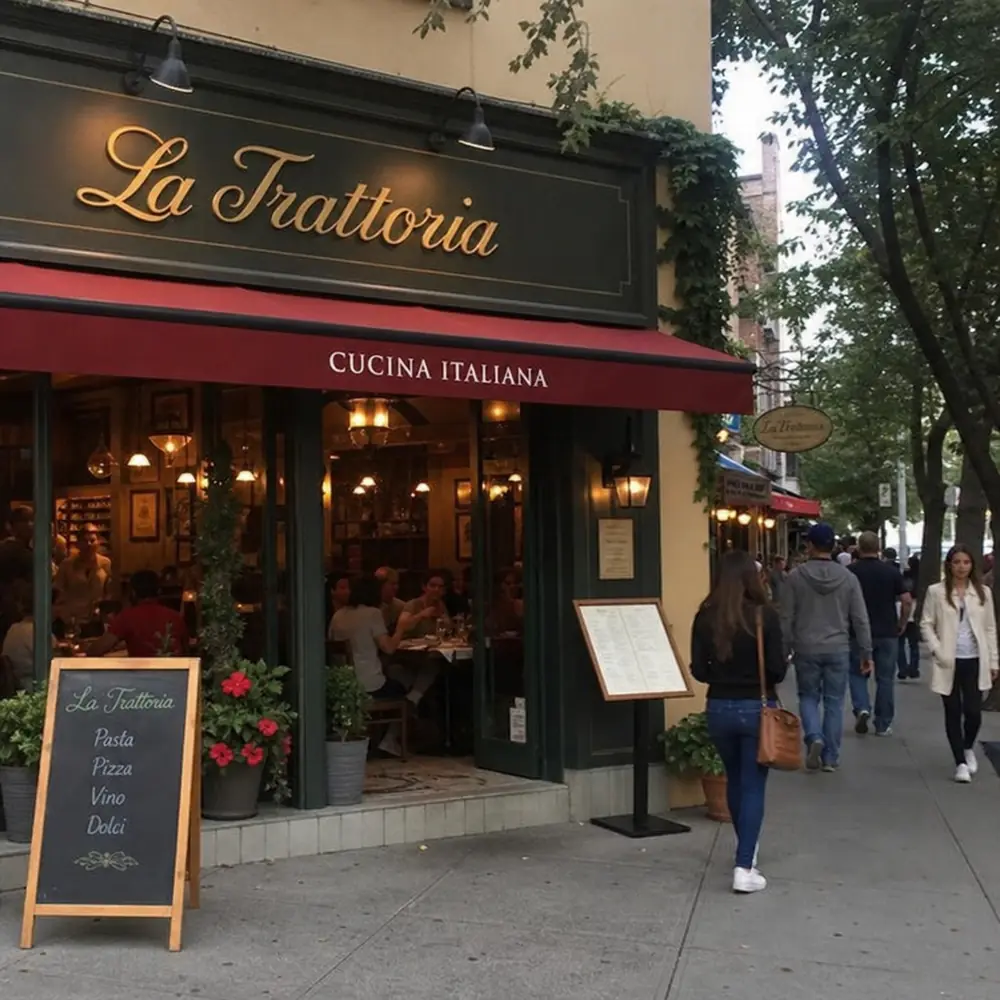
Location still matters, but it is not the whole story
A restaurant's location can strongly affect how many people pass by each day. Restaurants near offices may see weekday lunch demand, while those close to malls, transit stops, schools, hotels, or residential areas may attract different crowds at different times. The key is to understand not just how many people are nearby, but who they are and what they need.
For example, a café near a business district may do well with fast service, takeaway options, and morning coffee promotions. A casual restaurant in a family neighborhood may benefit more from comfortable seating, value meals, and weekend-friendly menus. The same location can perform very differently depending on whether the concept fits the people around it.
Accessibility is also part of location. Customers may avoid a restaurant if parking is confusing, the entrance is hard to find, the walkway feels unsafe, or the shopfront is hidden behind visual clutter. Even small barriers can reduce walk-ins because people often choose the easiest option when they are hungry.
To make the most of a location, restaurants should observe the area at different times of day. Morning, lunch, late afternoon, dinner, weekdays, and weekends can all tell different stories. These observations become practical foot traffic insights that help guide opening hours, staffing, menu focus, and promotions. Screen trade areas at Restaurant Site Finder and read choosing the ideal location for restaurants.
Visibility turns passersby into potential guests
A restaurant may have great food, but if people do not notice it, they cannot choose it. Visibility starts with the basics: clear signage, a clean entrance, good lighting, readable menus, and a storefront that gives a quick sense of what the restaurant offers.
Many walk-in decisions happen quickly. Someone passing by may ask, "What kind of food is this?" "Is it open?" "Does it look welcoming?" "Can I afford it?" If the restaurant answers those questions visually, it reduces hesitation.
Good visibility does not always mean loud or flashy design. It means being easy to understand. A simple menu board, a visible daily special, appetizing food photography, or a warm view into the dining area can help people feel more confident stepping inside.
Restaurants can improve street-level appeal by reviewing the storefront from a customer's point of view:
- Is the restaurant name easy to read from a distance?
- Are opening hours visible and accurate?
- Does the entrance look clean and welcoming?
- Can customers understand the cuisine or concept quickly?
- Is the menu displayed clearly enough for someone who is undecided?
- Does lighting make the restaurant feel open, especially in the evening?
These details may seem basic, but they shape first impressions. A customer who feels unsure may keep walking, while a customer who feels invited may come in.
Timing and routines shape daily traffic patterns
Every restaurant has natural peaks and quiet periods. Breakfast spots may fill up early and slow down after 10 a.m. Lunch restaurants may depend on office workers. Dinner-focused places may see more traffic after work, on weekends, or around special occasions. Understanding these rhythms helps restaurants stop guessing and start planning.
Foot traffic often follows routines. People buy coffee on the way to work, grab lunch near the office, pick up dinner after errands, or eat out when meeting friends. If a restaurant fits into a routine, it becomes part of a customer's normal path.
This is why timing matters for promotions. A discount offered during an already busy period may not be as useful as a targeted offer during a slower window. A restaurant could introduce a tea-time snack set, an early dinner special, or a weekday lunch bundle depending on when traffic drops.
Seasonal and local patterns also matter. Rainy weather, school holidays, payday periods, nearby events, and festive seasons can all affect customer behavior. Restaurants that pay attention to these patterns can prepare better, reduce waste, and create offers that match real demand.
How can restaurants use foot traffic insights wisely?
Restaurants can use foot traffic insights by tracking when people visit, where they come from, what they buy, and what seems to influence their decision to enter. The goal is not to collect data for its own sake, but to turn observations into better choices about menus, staffing, marketing, and customer experience.
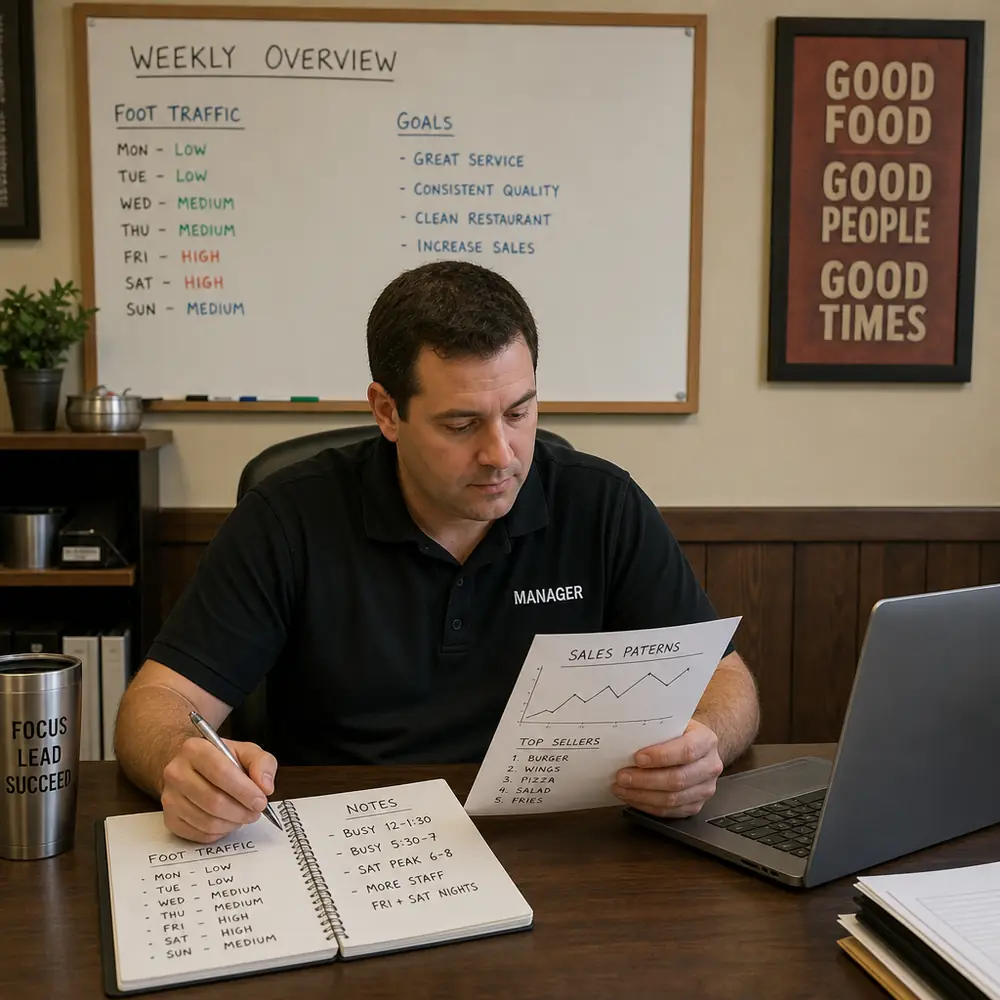
A simple approach is often enough to start. Staff can note busy and quiet hours, common customer questions, popular menu items, and reasons people hesitate outside. Managers can compare this with sales data, reservation patterns, online reviews, and local events.
Useful insights may include:
- Peak visit times: Knowing when traffic rises helps with staffing, food preparation, and service speed. It also shows when the restaurant should avoid unnecessary disruptions.
- Quiet periods: Slow hours can reveal opportunities for special menus, delivery pushes, loyalty rewards, or community partnerships.
- Customer types: Office workers, students, families, tourists, and nearby residents may all respond to different messages and offers.
- Entry triggers: Some customers enter after seeing a menu board, smelling fresh food, noticing a promotion, or seeing others dining inside.
- Drop-off points: If people stop to look but do not enter, the issue might be unclear pricing, an unwelcoming entrance, a long queue, or uncertainty about available seating.
Once these patterns are visible, restaurant owners can test small improvements. Change one thing at a time where possible, such as a lunch sign, menu display, or promotional message. Then watch whether behavior changes. This makes decisions more practical and less dependent on guesswork. See restaurant foot traffic analysis with AI for location-level data.
Customer experience keeps traffic coming back
Attracting a walk-in customer is only the first step. The bigger value comes when that customer returns, brings friends, leaves a positive review, or recommends the restaurant to someone nearby. A steady flow of repeat customers can make restaurant foot traffic more stable over time.
Customer experience includes food quality, service, cleanliness, comfort, speed, atmosphere, and how easy it is to order and pay. If any part feels frustrating, customers may not complain directly, but they may quietly choose another place next time.
Consistency is especially important. People return when they know what to expect. A restaurant does not need to be fancy to build loyalty, but it does need to deliver what it promises. If it is known for quick lunches, speed matters. If it is known for relaxed dining, comfort and hospitality matter. If it is known for great value, portion size and pricing clarity matter.
Small gestures can also encourage repeat visits. Remembering regular customers, offering a simple loyalty stamp, checking on diners at the right time, or handling mistakes with care can make people feel valued. In competitive areas, that feeling can be the difference between a one-time visit and a habit.
Menu design influences walk-in decisions
The menu plays a major role in foot traffic because it helps customers decide whether the restaurant fits their needs. A menu that is too confusing, too hidden, or too broad can slow down the decision. A clear menu gives people confidence.
For walk-in customers, the menu should quickly communicate cuisine, price range, signature items, and suitable occasions. Are the dishes good for a quick lunch? Sharing with friends? A family meal? A snack and drink? The easier it is for customers to imagine themselves ordering, the easier it is for them to enter.
Restaurants can make menus more foot-traffic-friendly by focusing on:
- Clear categories: Group items in a way that helps people scan quickly.
- Visible bestsellers: Highlight popular or signature dishes without overwhelming the menu.
- Simple pricing: Make prices easy to find and understand.
- Flexible choices: Include options for different appetites, such as light meals, sets, or sharing plates.
- Strong descriptions: Use short, appealing descriptions that explain what the dish is.
A menu should not try to please everyone. Instead, it should help the right customers recognize that the restaurant is a good match for them.
Online presence supports offline visits
Even foot traffic often begins online. People may search for nearby restaurants, check reviews, look at photos, compare menus, or confirm opening hours before deciding where to go. If the online information is missing or outdated, a restaurant may lose customers before they ever reach the street.
A strong online presence does not have to be complicated. At minimum, restaurants should keep their business profile, map listing, contact details, opening hours, menu, and photos updated. Fresh, accurate information builds trust and reduces uncertainty.
Photos are particularly important because they help customers picture the experience. Images of the dining space, food, entrance, and menu can make the restaurant feel more familiar. Reviews also influence decisions, especially when customers are choosing among several nearby options.
Social media can support foot traffic when it reflects what is actually happening in the restaurant. Posts about daily specials, new dishes, festive menus, behind-the-scenes preparation, or busy dining moments can remind people to visit. The best posts are not just promotional; they help customers feel connected.
Local competition can reveal opportunities
Nearby restaurants are not only competitors. They are also useful sources of learning. By observing what works in the area, restaurant owners can better understand customer expectations and identify gaps.
For example, if many nearby restaurants are busy at lunch but quiet at dinner, there may be a strong office crowd but limited evening demand. If cafés are full on weekends, the area may attract leisure visitors. If customers queue for quick meals, speed and convenience may be important.
The point is not to copy another restaurant. It is to understand the local dining landscape and find a clear position. A restaurant might stand out through a more focused menu, better service, a warmer atmosphere, faster takeaway, family-friendly seating, or stronger value during certain dayparts.
When studying competitors, look at practical details:
- What times are they busiest?
- What type of customers do they attract?
- How visible are their promotions?
- What price range do they appear to occupy?
- What do customers praise or complain about in reviews?
- What needs in the area still seem underserved?
This kind of observation can uncover simple, realistic ways to improve positioning.
Promotions work best when they match customer behavior
Promotions can help increase visits, but only when they are designed around real customer behavior. A generic discount may bring short-term attention, yet it may not build lasting traffic if customers do not see a reason to return.
Better promotions are specific. They connect to a time, audience, or occasion. For example, a lunch set for nearby workers, a student-friendly snack deal, a family weekend bundle, or a rainy-day comfort meal can feel more relevant than a broad price cut.
Restaurants should also be careful not to rely only on discounts. Too many promotions can train customers to wait for lower prices. Instead, offers can add value through bundles, limited-time dishes, loyalty rewards, or experiences that make the visit more enjoyable.
Local habits, neighborhood routines, weather, transport access, and dining preferences all affect what works in a given market. A strategy that succeeds in one area may not work in another. The best approach is to observe local behavior, test small changes, and adjust based on response. See strategies to increase restaurant foot traffic for tactical ideas.
Community connection builds long-term momentum
Restaurants are physical places, and their relationship with the surrounding community matters. People are more likely to support a restaurant that feels like part of the neighborhood rather than a place that only sells food.
Community connection can be simple. A restaurant might collaborate with nearby offices, support local events, create group-friendly offers, or build relationships with residents and regular customers. Even friendly greetings and familiar faces can create a sense of belonging.
This is especially useful for restaurants outside heavy tourist or mall areas. When daily passersby are limited, loyalty and word of mouth become more important. A smaller but more committed customer base can create steady traffic and make the restaurant less dependent on occasional walk-ins.
Partnerships can also introduce the restaurant to new audiences. Nearby gyms, schools, salons, coworking spaces, hotels, and local businesses may all serve people who need convenient dining options. The goal is to be present where potential customers already spend time.
Practical ways to improve restaurant foot traffic
Improving foot traffic does not always require a major renovation or a large marketing budget. Often, the best results come from making the restaurant easier to notice, easier to choose, and easier to enjoy.
Here is a practical checklist to review:
- Improve the first impression: Clean the entrance, refresh signage, and make the restaurant look open and welcoming.
- Display the menu clearly: Let passersby understand cuisine, price range, and popular items quickly.
- Highlight one strong reason to enter: Promote a bestseller, lunch set, seasonal dish, or limited-time offer.
- Match offers to slow periods: Use promotions strategically instead of discounting during already busy times.
- Keep online listings updated: Make sure hours, photos, location, and menu information are accurate.
- Train staff for speed and warmth: A friendly greeting can turn hesitation into a visit.
- Watch customer behavior: Notice when people pause, enter, leave, queue, or walk away.
- Encourage repeat visits: Use loyalty rewards, consistent service, and small personal touches.
- Gather feedback: Listen to reviews, comments, and common questions from customers.
- Test small changes: Adjust one element at a time and observe the effect before making bigger decisions.
These actions work best when repeated and refined. Foot traffic grows when a restaurant continuously learns from its customers and surroundings.
The takeaway for restaurant owners
Restaurant foot traffic is not controlled by one factor. It comes from the combined effect of location, visibility, timing, menu clarity, customer experience, online presence, competition, promotions, and community connection. When restaurants understand these factors, they can make better decisions instead of relying only on hope or habit.
The most useful approach is to stay observant. Watch how people move around the area, listen to what customers ask for, and use foot traffic insights to guide practical improvements. Over time, those small improvements can make the restaurant easier to find, easier to choose, and easier to return to.
Frequently Asked Questions
What really influences restaurant foot traffic?
Visibility, location, timing, convenience, customer habits, local competition, reputation, and the overall dining experience. People walk in when a restaurant is easy to notice, easy to access, and clearly matches what they want in that moment.
What are the three core drivers of walk-in traffic?
Awareness (do people know you exist?), motivation (do they have a reason to enter now?), and ease (is visiting simple and comfortable?). When one is weak, fewer people walk in; when all three align, first-time and repeat visits improve.
How can restaurants use foot traffic insights wisely?
Track when people visit, what they buy, peak and quiet hours, customer types, entry triggers, and drop-off points, then test small changes to signage, menu display, promotions, or staffing one at a time and observe behavior shifts.
Does online presence affect walk-in foot traffic?
Yes. Many guests search nearby options, check reviews, and confirm hours before visiting. Outdated listings, missing photos, or unclear menus can lose customers before they reach the street.
What practical steps improve restaurant foot traffic?
Improve first impressions and signage, display menus clearly, match promotions to slow dayparts, keep online listings accurate, train staff for warm efficient service, watch customer behavior, encourage repeat visits, and test one change at a time.
Run a free location analysis
Enter any address to get competitor mapping, market gaps, opportunity scoring, and concept ideas.
Analyze your location free Shop equipment at Horeca Store