Marketing
Strategies to Increase Restaurant Foot Traffic
Practical strategies to increase restaurant foot traffic, traffic pattern analysis, visibility, behavior-based offers, local partnerships, digital presence, events, peak-hour experience, and measurement.
Key Takeaways
- Foot traffic grows from visibility, timing, reputation, and experience, not random promotions alone.
- Start with existing restaurant foot traffic data: daypart patterns, ticket mix, and what changed before you add new tactics.
- Combine exterior clarity, behavior-based offers, local partnerships, accurate online listings, events, and smoother peak service.
- Validate location demand before opening or expanding with free analysis at Restaurant Site Finder.
Getting more people through the door is one of the most practical ways to grow a restaurant, but it rarely happens by accident. Strong foot traffic comes from understanding when guests visit, why they choose you, what slows them down, and what gives them a reason to come back. With the right mix of restaurant foot traffic data, local marketing, guest experience improvements, and consistent follow-through, restaurants can turn quiet periods into opportunities and busy periods into repeat business.
What actually drives restaurant foot traffic?
Restaurant foot traffic is driven by a combination of visibility, convenience, timing, reputation, and guest experience. People are more likely to visit when they notice your restaurant at the right moment, trust that the food and service will be worth it, and feel that stopping in fits naturally into their day. That means increasing traffic is not only about promotions; it is about making your restaurant easier to choose.
A guest may walk in because they saw a sidewalk sign, smelled food from the street, found you while searching nearby, received a recommendation, or remembered a great previous visit. Each of those moments can be encouraged with intentional planning. The goal is to create more reasons for people to notice, enter, enjoy, and return.
It also helps to separate foot traffic from sales. A busy dining room is useful only if the right guests are coming in, ordering profitably, and having a good enough experience to come back. That is where restaurant analytics can help owners and managers see beyond surface-level busyness and understand what is really happening.
Start with the traffic patterns you already have
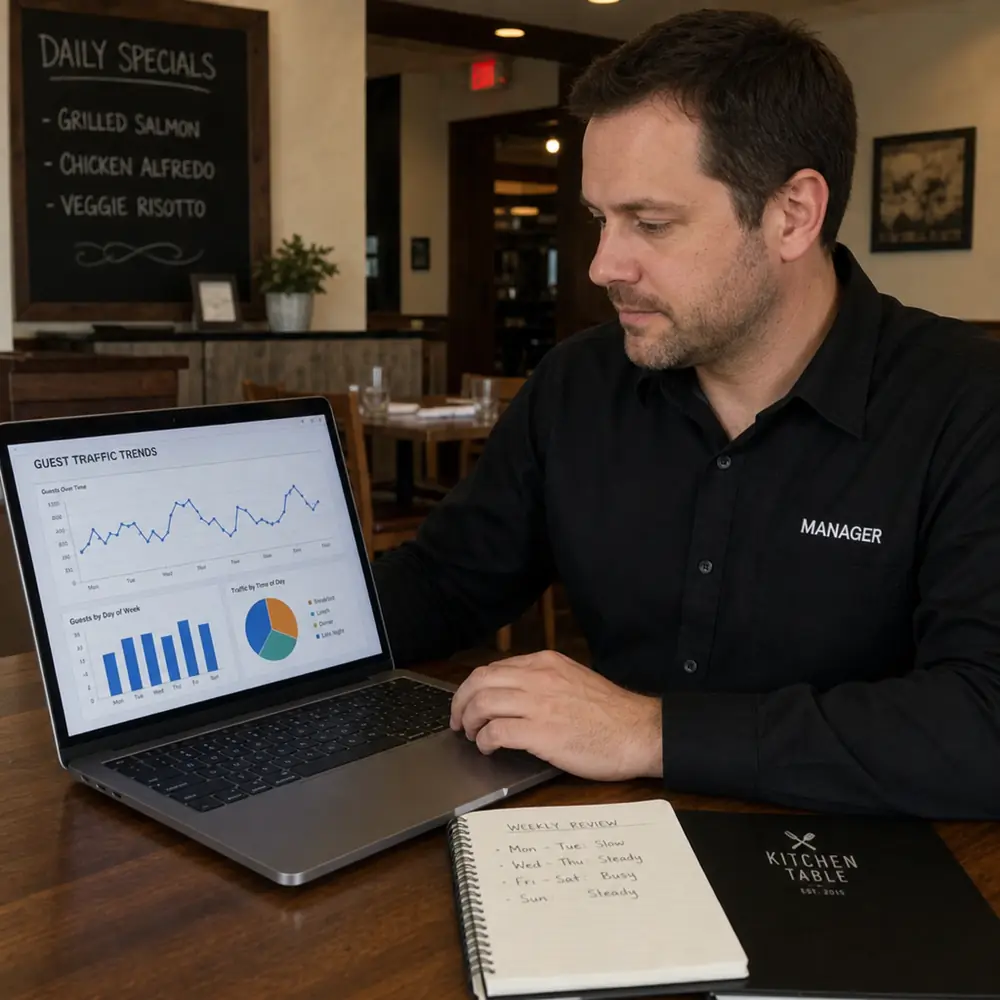
Before adding new tactics, look closely at your current traffic patterns. Most restaurants already have useful signals in point-of-sale reports, reservation logs, online ordering activity, staff observations, and local event calendars. Together, these details can reveal which days, hours, seasons, menu items, and promotions naturally bring people in.
For example, you may notice that lunch is strong on weekdays but slow on Mondays, or that dinner spikes after nearby events. You may see that certain promotions attract first-time guests but do not encourage repeat visits. These patterns help you avoid guessing and focus energy where it can make the biggest difference.
A simple weekly review can include:
- Busiest and slowest hours by day
- Average ticket size during different dayparts
- Walk-ins compared with reservations or online orders
- Sales lift during promotions, events, or weather changes
- Repeat guest activity, if your systems can track it
- Staff notes about wait times, service bottlenecks, and guest questions
The value of restaurant foot traffic data is not just in collecting it. The value comes from asking better questions: Why did traffic rise at that time? What changed? Did the promotion bring in the kind of guests we want? Did the kitchen and service team handle the volume well?
Make your restaurant easier to notice
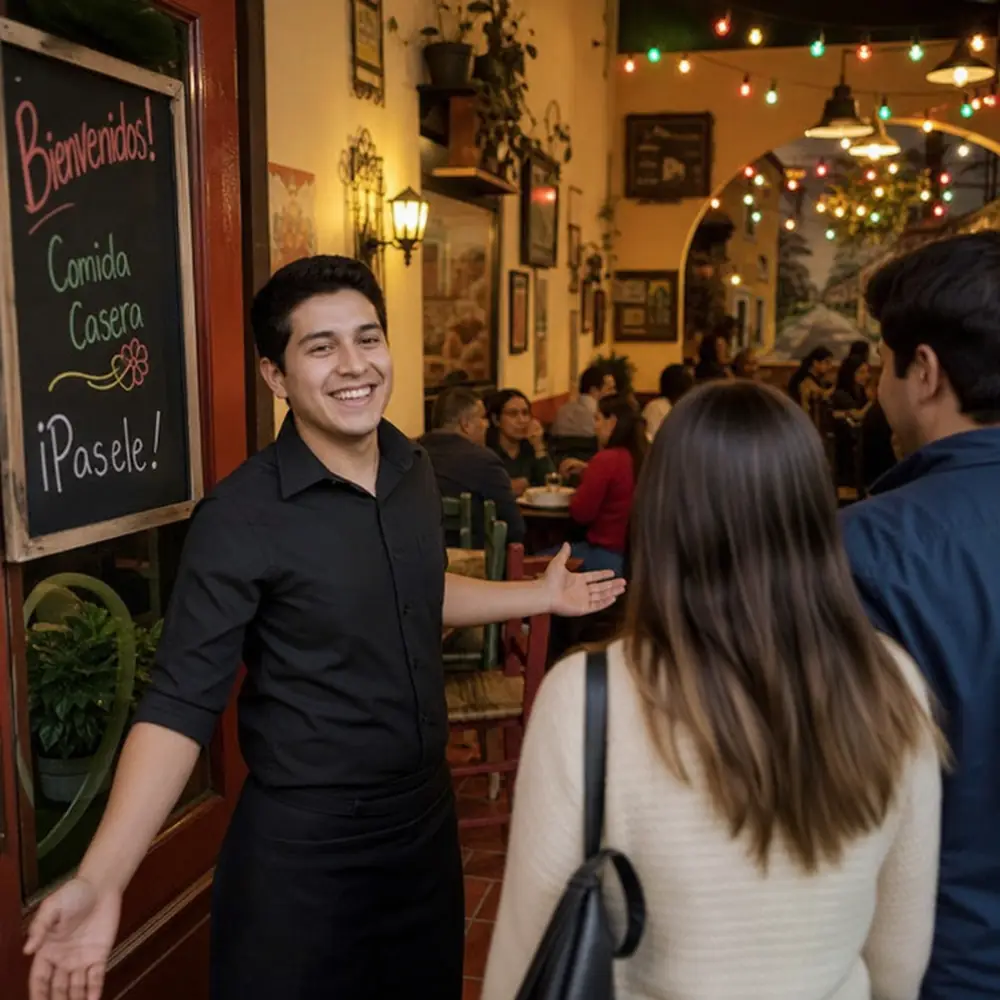
Foot traffic often begins before a guest thinks about eating. A person walking down the street may be hungry, undecided, or simply open to an appealing option. Your exterior presence should make it clear who you are, what you serve, and why someone should step inside now.
Start with the basics. Your signage should be clean, visible, and easy to read from the sidewalk or street. Windows should feel welcoming, not cluttered or closed off. Lighting matters too, especially in the evening; a warm, active-looking restaurant is more inviting than a dark or unclear entrance.
Small exterior updates can have a real impact:
- Use a clear sidewalk sign with a simple message, such as a lunch special, happy hour, or seasonal dish.
- Keep menus posted where passersby can read them quickly.
- Make the entrance obvious, clean, and accessible.
- Highlight activity inside when possible, such as an open kitchen, full bar, or visible dining area.
- Refresh planters, window displays, or outdoor seating so the space feels cared for.
The key is clarity. People decide quickly when they are walking by. If they cannot tell what you offer, whether you are open, or what the atmosphere feels like, they may keep moving. For location-level visibility analysis, see choosing the ideal location for restaurants.
Build offers around real guest behavior
Promotions work best when they are based on actual guest behavior, not just a desire to fill empty seats. A discount during a slow hour may bring people in once, but a thoughtful offer can train guests to think of your restaurant at specific moments.
If weekday afternoons are quiet, consider a limited small-plate menu, coffee-and-dessert pairing, or early dinner feature. If late evenings are slow, a bar snack menu or post-event special may fit the neighborhood. If families visit on weekends, a simple family meal bundle or kid-friendly early seating can make the decision easier.
Good offers are specific, easy to understand, and operationally realistic. They should not create chaos for the kitchen or confuse guests. They should also protect the value of your brand; if every promotion is a deep discount, guests may learn to wait for deals instead of visiting naturally.
A practical offer checklist:
- Choose one slow period you want to improve.
- Identify the guest most likely to visit during that period.
- Create an offer that matches their need, not just your schedule.
- Train staff to explain it clearly.
- Track visits, sales, and guest response for several weeks.
- Keep, adjust, or retire the offer based on results.
This is where restaurant analytics becomes especially useful. If the numbers show higher traffic but lower profitability or weaker repeat visits, the offer may need a better structure.
How can local partnerships bring more people in?
Local partnerships can increase restaurant foot traffic by connecting your restaurant with people who already spend time nearby. Instead of trying to reach everyone, you work with businesses, organizations, and community groups that share a relevant audience. The best partnerships feel natural to guests and useful to both sides.
A restaurant near offices might partner with local employers for lunch perks or team catering. A neighborhood cafe could collaborate with a bookstore, fitness studio, salon, or apartment building. A family restaurant might connect with schools, youth sports teams, or community events.
Partnership ideas include:
- A simple employee perk for nearby businesses
- Cross-promoted events with local retailers or galleries
- Pre-event or post-event menus for theaters, venues, or community spaces
- Catering samplers for offices and co-working spaces
- Neighborhood appreciation nights
- Gift card swaps with complementary local businesses
The strongest partnerships are easy to explain and simple to redeem. Avoid making guests jump through too many steps. A clear offer, friendly staff, and a consistent experience will do more than an overly complicated campaign.
Strengthen your presence where nearby guests search
Many guests decide where to eat while they are already close by. They may search for restaurants near them, check hours, scan reviews, look at photos, or compare menus. If your online presence is incomplete or outdated, you can lose traffic before anyone reaches your door.
Keep your basic information accurate across the platforms your guests use. Hours, address, phone number, reservation links, ordering links, menus, and photos should be current. If you change seasonal hours or run a special event, update the most visible places first.
Photos deserve special attention. People want to know what the food looks like, how the room feels, and whether the restaurant fits their occasion. A few clear, recent images can make your restaurant feel more trustworthy and inviting.
Reviews also influence foot traffic. Respond professionally, thank guests for positive feedback, and address concerns without sounding defensive. You do not need a perfect record, but you do need to show that real people are paying attention.
Turn first-time visitors into repeat guests
Increasing foot traffic is easier when more first-time visitors return. A guest who already enjoyed your food is less expensive to bring back than someone who has never heard of you. The repeat visit starts with the experience they have today.
Service should be warm, consistent, and aware of the moment. A lunch guest may value speed and accuracy. A dinner guest may want guidance, pacing, and atmosphere. A family may appreciate patience and practical seating. When staff understand the occasion, the experience feels more personal.
You can also encourage repeat visits without being pushy:
- Invite guests to join an email or loyalty program at the right moment.
- Mention upcoming events or seasonal menu changes.
- Add a small bounce-back offer to receipts or takeout bags.
- Remember regulars and their preferences when possible.
- Make it easy to book, order, or follow your updates.
The goal is not to overwhelm guests with marketing. It is to give satisfied customers a simple reason to think, "We should come back."
Use events to create reasons to visit now
Events can be powerful because they add urgency. A guest may like your restaurant but still postpone a visit. A limited event gives them a reason to choose a specific day.
Events do not need to be elaborate. A seasonal tasting, live music night, chef feature, trivia evening, wine pairing, community fundraiser, or game-day menu can all create momentum. What matters is whether the event fits your brand, your space, and your guests.
Plan events with operations in mind. If the kitchen cannot handle a special menu during peak dinner service, simplify it. If the dining room gets crowded, manage reservations or seating expectations. If the event attracts new guests, make sure the regular menu and service still represent your restaurant well.
Promotion should begin early enough for people to plan, but the message should stay clear. Tell guests what is happening, when it is happening, whether reservations are needed, and why it is worth attending.
Improve the experience during peak hours
It may sound odd, but one way to increase future foot traffic is to handle current traffic better. If guests visit during a rush and experience long waits, confusion, slow service, or unavailable menu items, they may not return. Busy periods are a chance to impress, but they can also expose weak points.
Look at your busiest traffic patterns and identify friction. Are guests waiting too long to be greeted? Is the host stand hard to find? Are takeout orders slowing down dine-in service? Are popular items running out too early? These issues can quietly reduce repeat traffic even when sales look strong.
Useful peak-hour improvements include:
- Clear roles for host, servers, runners, bartenders, and managers
- Better pacing for reservations and walk-ins
- A simplified rush-hour menu or prep plan when needed
- Accurate wait-time communication
- A clean waiting area or bar option for guests
- Faster payment processes for lunch or pre-event crowds
When peak hours feel smooth, guests remember the restaurant as dependable. That reliability builds confidence, which brings people back.
Measure what changes after each strategy
Every traffic-building effort should be followed by a review. You do not need a complicated dashboard to learn what is working. You simply need to compare the right signals before and after a change.
If you launch a weekday lunch offer, compare lunch visits, sales, average check, item mix, and staff feedback. If you host an event, look at attendance, new guest activity, reservations, and whether people returned later. If you improve signage, watch walk-ins during the same days and times over several weeks.
Restaurant foot traffic data becomes more useful when paired with context. Weather, holidays, school schedules, nearby construction, local events, and staffing can all affect results. A single busy night does not prove a strategy worked, and one slow day does not prove it failed. Look for patterns over time.
A simple review rhythm can help:
- Check daily numbers for quick operational awareness.
- Review weekly trends with managers.
- Compare monthly results by daypart and promotion.
- Discuss guest comments and staff observations.
- Decide one adjustment to test next.
This approach keeps decisions practical. Instead of chasing every new idea, you build a cycle of testing, learning, and improving. For deeper pattern analysis, read maximizing restaurant success through foot traffic insights.
Keep the strategy consistent and guest-centered
The most effective restaurants do not rely on one tactic to increase foot traffic. They combine visibility, smart offers, local relationships, digital accuracy, strong service, and steady measurement. Each piece supports the others.
For example, a great event will perform better if your online hours are accurate, your exterior sign is clear, your staff is prepared, and your follow-up gives guests a reason to return. A lunch promotion will work harder if it matches local worker schedules and can be served quickly. A loyalty program will only matter if the experience is worth repeating.
Consistency matters because guests build habits. If your restaurant becomes the easy lunch choice, the reliable pre-show dinner spot, the friendly weekend brunch place, or the go-to neighborhood gathering point, traffic becomes less dependent on one-off promotions.
The takeaway
Increasing restaurant foot traffic is not about doing more random marketing. It is about understanding how guests behave, noticing where opportunities exist, and making your restaurant easier and more appealing to choose. Start with your current traffic patterns, use restaurant analytics to guide decisions, and test focused changes that fit your guests and operations.
Small improvements can compound over time. A clearer sign, a better-timed offer, a stronger local partnership, a smoother rush, and a thoughtful return invitation can all move more people from "maybe someday" to "let's go there today."
If you are opening or relocating, validate that your trade area has enough foot traffic for your concept at Restaurant Site Finder before you commit to a lease.
Run a free location analysis
Enter any address to get competitor mapping, market gaps, opportunity scoring, and concept ideas.
Analyze your location free Shop equipment at Horeca Store